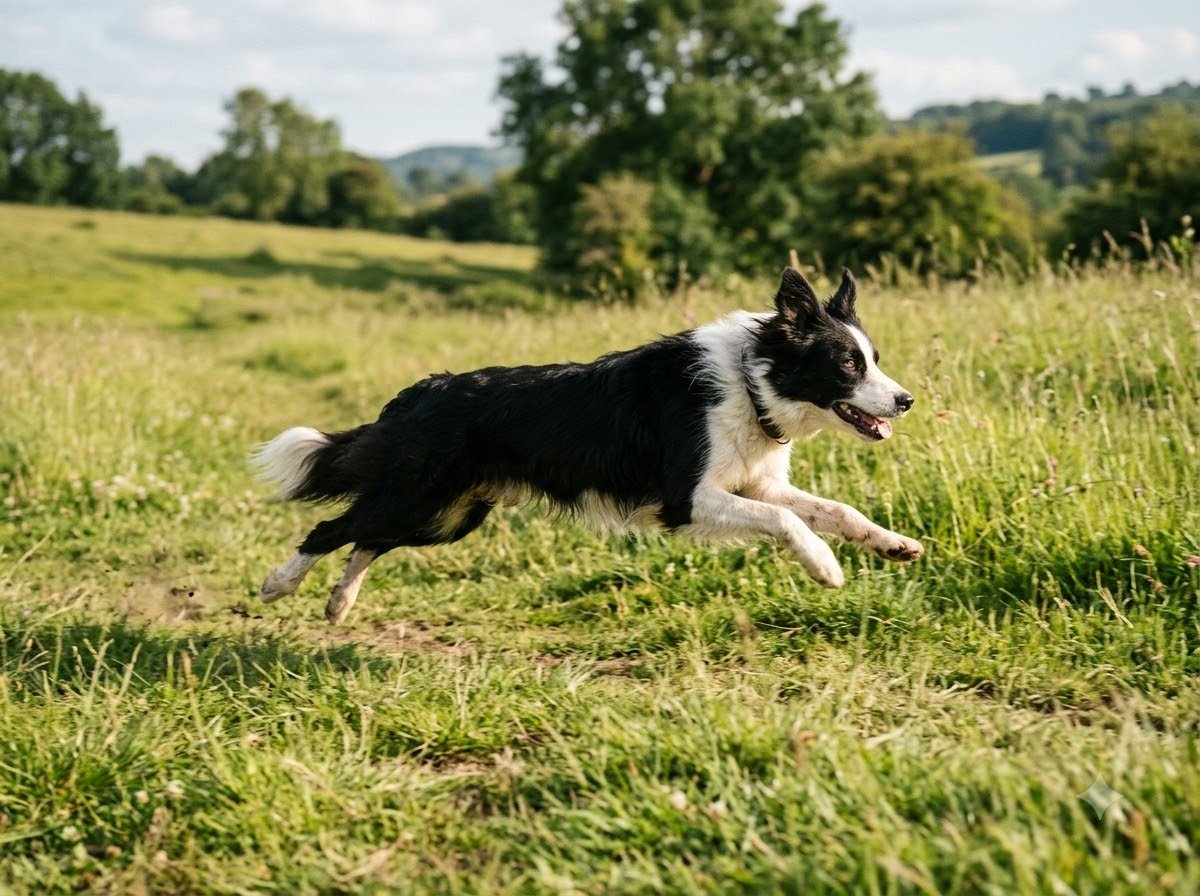
Border Collies are widely regarded as one of the most driven, high-energy dog breeds, and that same intensity can work against early joint problem detection — a Border Collie in pain will often keep working or playing through it, masking symptoms that a less motivated breed might show more clearly.
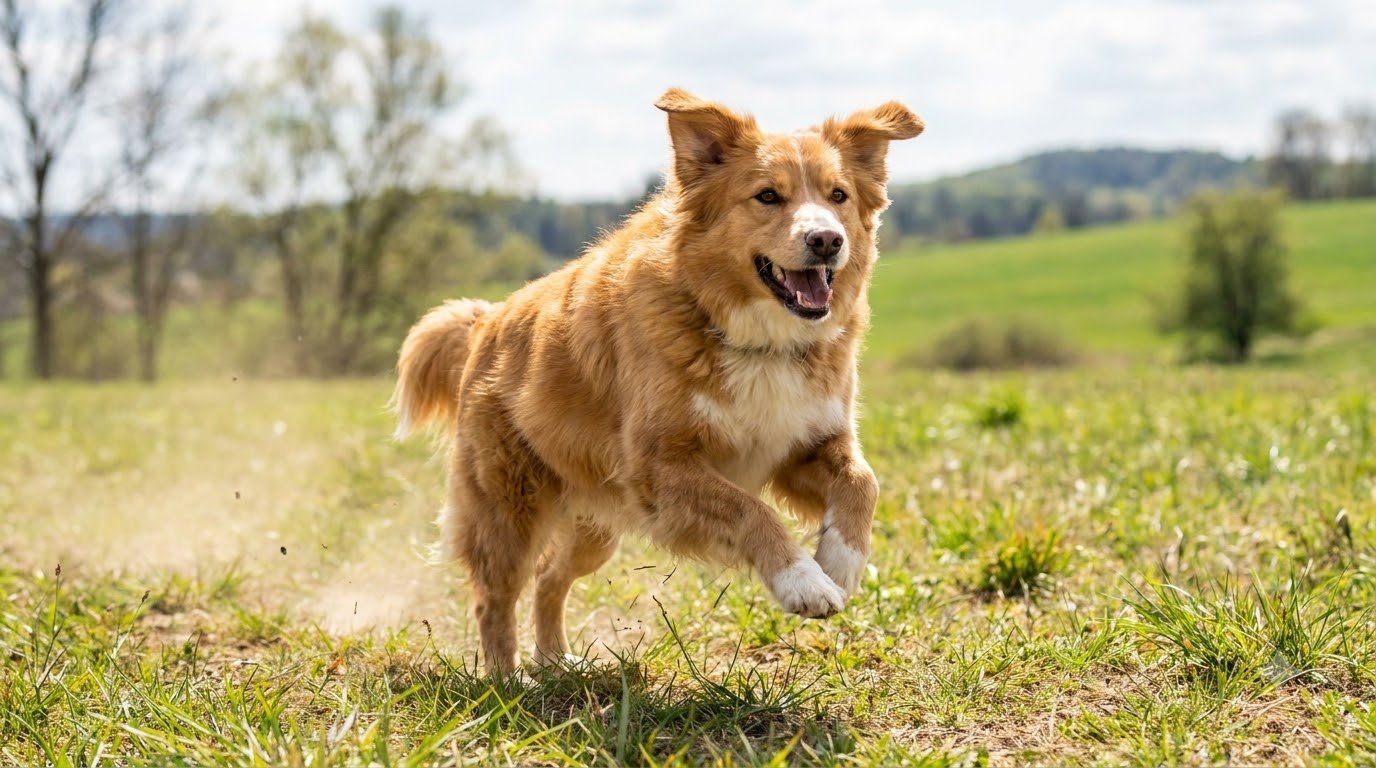
Why Is Joint Pain Harder to Spot in Border Collies?
This breed’s legendary work drive and enthusiasm mean many Border Collies will push through discomfort to keep herding, fetching, or playing, rather than visibly favoring a sore limb the way some breeds do. Owners often need to watch for subtler signs — a slightly shortened stride, reluctance to make sharp turns, or slower recovery after activity — rather than waiting for an obvious limp.
What Joint Issues Are Relevant for This Breed?
- Hip dysplasia — occurs in the breed, generally less severe than in heavier breeds but still meaningful given typical activity levels
- Repetitive strain injuries — the sharp turns and sudden stops characteristic of herding-style movement place cumulative stress on joints, tendons, and ligaments over time
- General osteoarthritis — as with any highly active breed, years of intense movement contribute to earlier joint wear than in a more sedentary dog
How Can You Support Joint Health in an Active Border Collie?
- Watch for subtle changes — shortened stride, hesitation before sharp turns, slower recovery after exercise — rather than waiting for obvious lameness
- Warm up before intense activity and allow proper cool-down, similar to an athlete’s routine
- Keep the dog lean, since even modest excess weight adds meaningful strain to joints under this level of activity
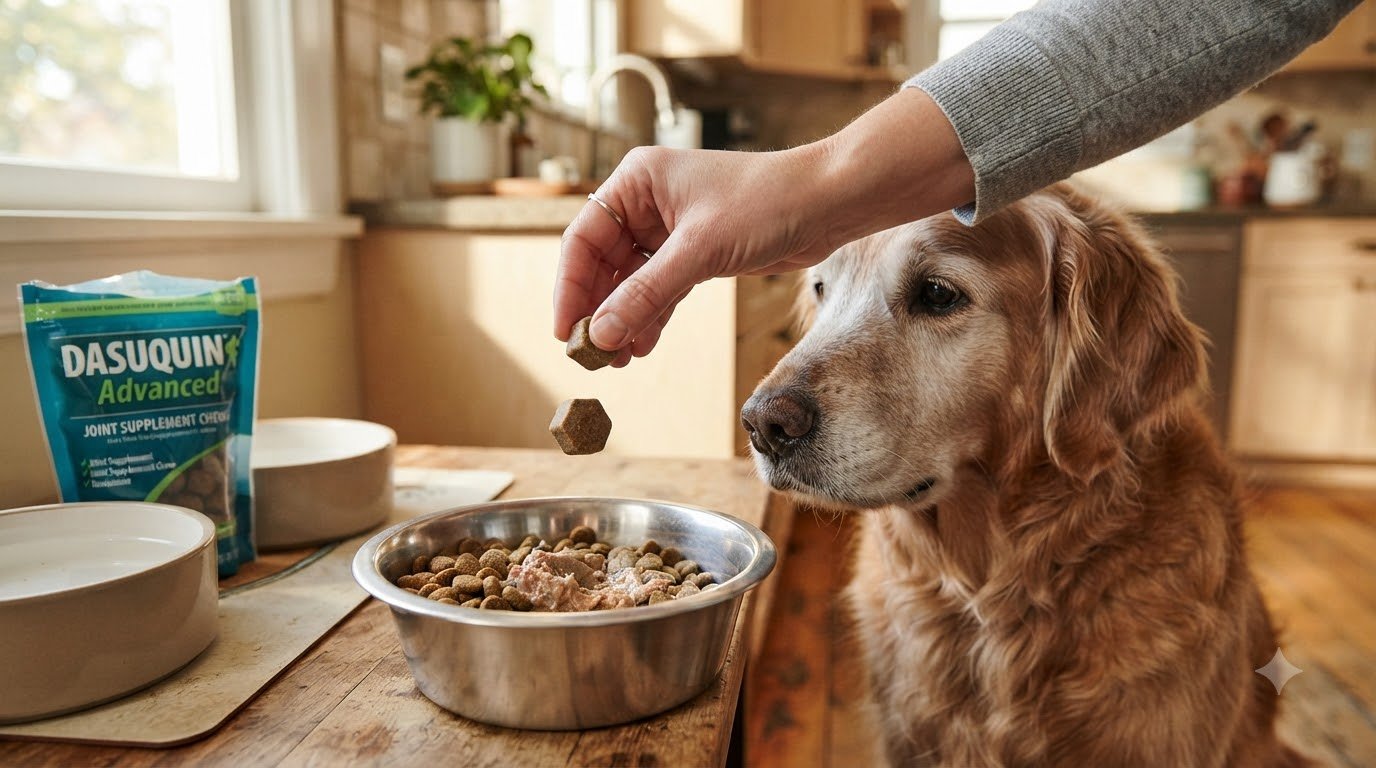
- Consider joint supplements proactively for a dog with a physically demanding lifestyle, discussed with your vet
- Don’t mistake continued enthusiasm for absence of pain — this breed is particularly prone to working through discomfort