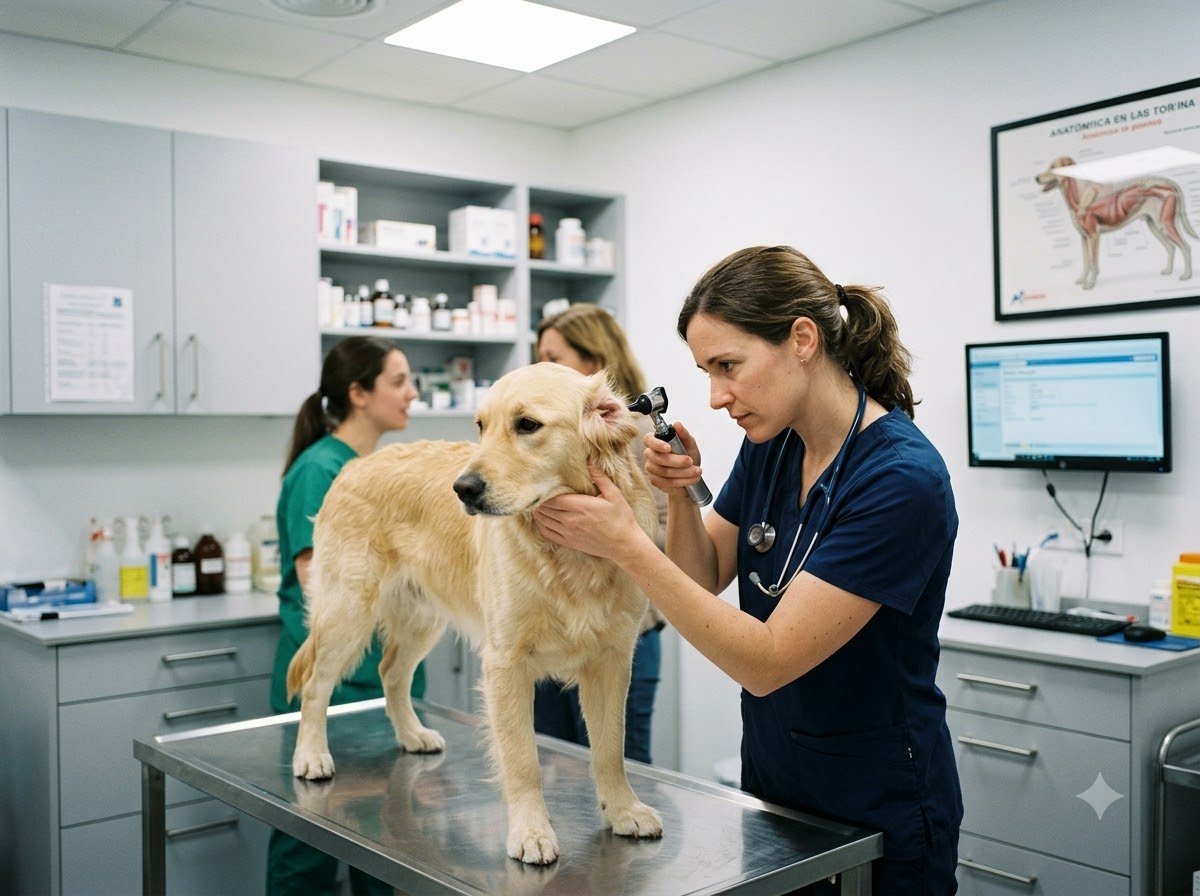
A dog dental cleaning quote can range from a few hundred dollars to well over a thousand, and the reason for that gap is almost never the base cleaning itself — it’s the extras that get added once your vet actually looks inside your dog’s mouth.
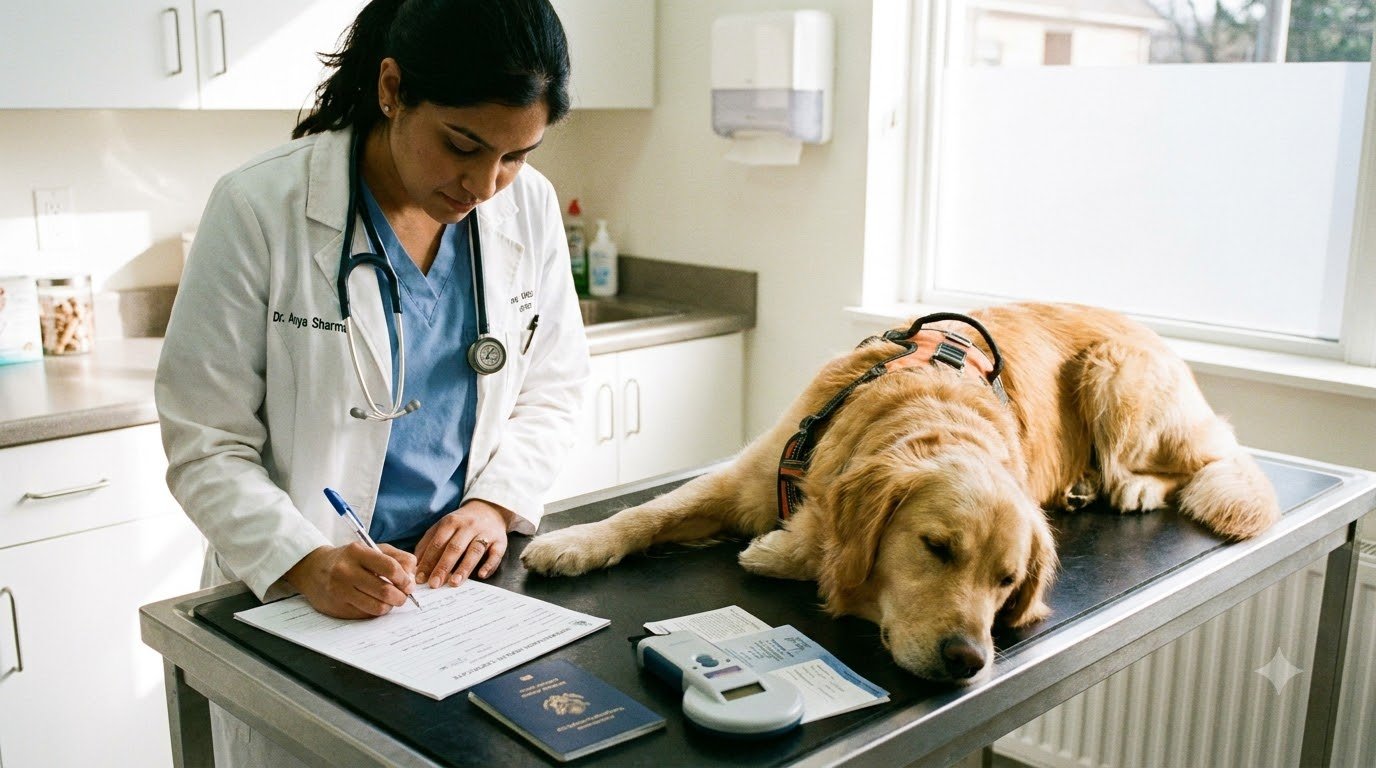
What’s Usually Included in the Base Price?
Most quotes for a “dental cleaning” cover the anesthesia, the scaling and polishing procedure itself, and basic monitoring during the procedure. What’s often quoted separately — sometimes clearly, sometimes less so — is everything else needed to do it safely and thoroughly.
What Additional Costs Should You Expect?
- Pre-anesthetic bloodwork: Usually required, particularly for senior dogs, to confirm it’s safe to proceed with anesthesia
- Dental X-rays: Increasingly considered standard practice, since a large share of dental disease happens below the gumline where it can’t be seen visually
- Extractions: If X-rays or the exam reveal a diseased tooth, extraction adds meaningfully to the total cost, and the amount depends on how many teeth and how complex each extraction is
- Pain management and antibiotics: Often needed after extractions or for dogs with more advanced dental disease
- IV fluids during the procedure: Support blood pressure and organ function while under anesthesia, and are commonly included or offered as an add-on
Why Do Quotes Vary So Much Between Clinics?
Two clinics can have very different “starting” prices for the same reason two restaurants can have different menu prices for a similar dish — but the more meaningful comparison is the total estimated cost including likely add-ons, not just the advertised base rate. It’s worth asking directly what’s included in a quoted price, and what commonly gets added once the vet actually examines your dog’s mouth.

How Can You Budget for This Cost?
- Ask for a written estimate that includes a realistic range accounting for possible extractions, not just the base cleaning
- Ask whether pre-anesthetic bloodwork and X-rays are included or billed separately
- Check if your pet insurance policy includes a wellness add-on that covers routine dental cleanings, since standard illness coverage often doesn’t
- Consider a dedicated pet savings fund or a vet-offered payment plan for planned procedures like this, since it’s rarely a true emergency and can be scheduled with lead time
- Ask your vet what at-home dental care (brushing, dental chews) could help extend time between cleanings going forward
Is It Worth the Cost?
Untreated dental disease doesn’t just affect the mouth — it’s linked to chronic pain, tooth loss, and potential effects on other organs from ongoing infection, so the cost of a cleaning has to be weighed against the cost, both financial and to your dog’s comfort, of letting dental disease progress unaddressed. Getting a clear, itemized estimate upfront is the best way to plan for it without surprises.