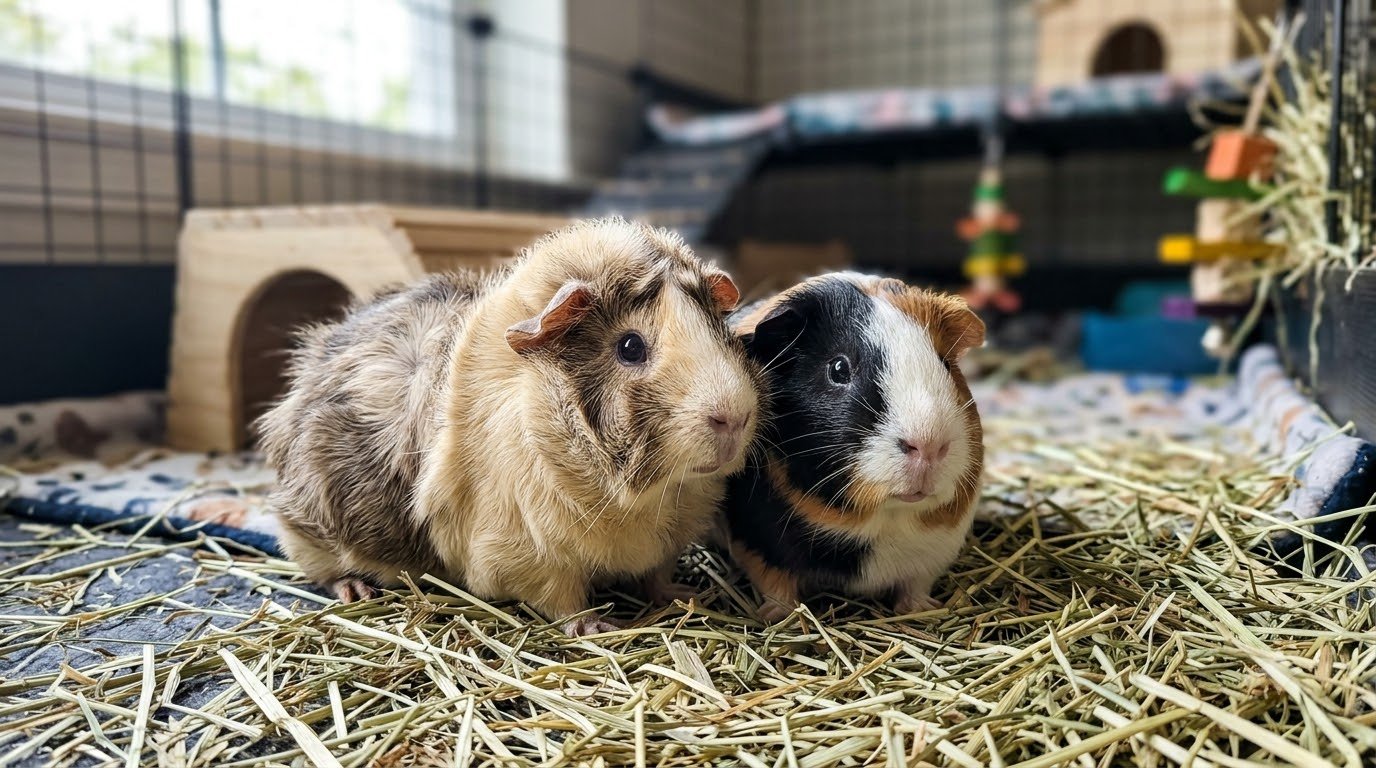
Most small pets can make their own vitamin C internally, but guinea pigs — like humans — genuinely cannot, which makes vitamin C one of the few nutrients in small-pet care where getting the amount right isn’t just about optimal health, it’s about preventing a specific, well-documented deficiency disease.
Why Do Guinea Pigs Need Dietary Vitamin C Specifically?
Guinea pigs lack the enzyme L-gulonolactone oxidase, which most mammals use to synthesize their own vitamin C internally. Without this ability, every bit of vitamin C a guinea pig gets has to come from its diet. Without adequate intake, guinea pigs can develop scurvy — a genuine, well-documented deficiency disease that affects connective tissue, joints, and overall health.
How Much Vitamin C Do Guinea Pigs Actually Need?
General guidance suggests adult guinea pigs need approximately 10-30 mg of vitamin C daily for maintenance, with higher amounts recommended during pregnancy, illness, or growth. These are general reference ranges rather than a precise figure for every individual guinea pig, and checking with an exotic-savvy vet is worthwhile if you have specific concerns about your guinea pig’s intake, particularly if they’re pregnant, ill, or recovering from a health issue.
What Are the Best Sources of Vitamin C for Guinea Pigs?
- Fortified guinea pig pellets: A foundational source, but vitamin C degrades over time once a bag is opened and exposed to air, light, and humidity — pellets from an older, opened bag may provide meaningfully less than the label suggests
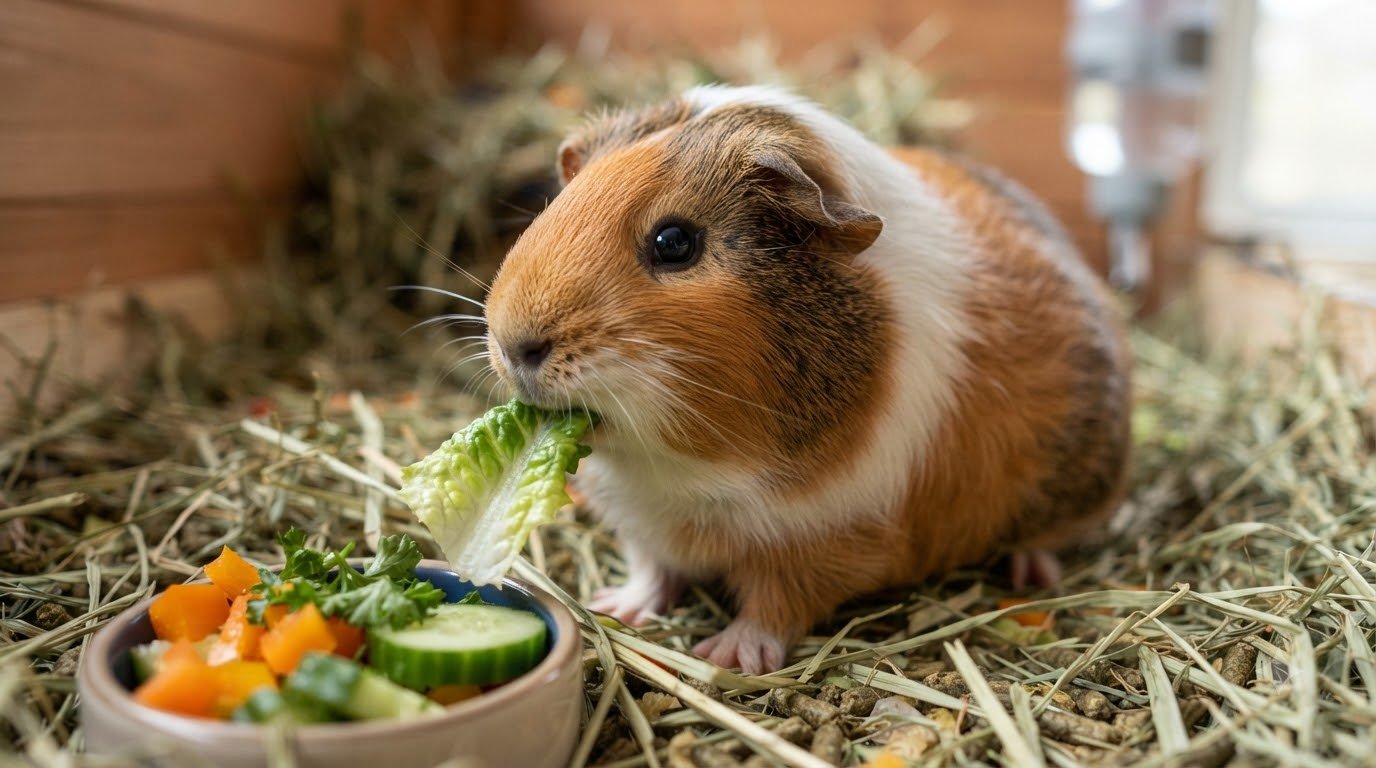
- Bell peppers: Among the richest fresh vegetable sources of vitamin C commonly fed to guinea pigs
- Leafy greens: Kale, parsley, and similar greens contribute meaningful vitamin C alongside other nutrients
- Citrus fruits: A good source, but should be given in moderation due to sugar content
- Vitamin C supplements: Available as drops or tablets specifically for guinea pigs, useful as a backup rather than a replacement for dietary sources — avoid adding vitamin C to water, since it degrades quickly in water and can affect the water’s taste, reducing how much your guinea pig drinks
What Happens If a Guinea Pig Doesn’t Get Enough?
Vitamin C deficiency in guinea pigs causes scurvy, with symptoms including lethargy, joint pain and stiffness, poor coat condition, swollen or painful joints, and reduced appetite. Left uncorrected, it can become a serious, even life-threatening condition. Any of these signs, especially reluctance to move or visible joint discomfort, are worth a vet visit rather than assuming it’s just “getting older” or general low energy.
How Can You Make Sure Your Guinea Pig Is Getting Enough?
- Buy pellets in smaller quantities so they’re used before the vitamin C content has time to significantly degrade
- Offer fresh vitamin C-rich vegetables daily as a core part of the diet, not an occasional treat
- Store pellets in a cool, dark, airtight container to help preserve vitamin C content
- Ask your vet whether a supplement makes sense for your specific guinea pig, particularly if fresh vegetable intake is inconsistent
Because guinea pigs can’t make up for a shortfall on their own the way many other animals can, consistent daily vitamin C — from a mix of fresh food and fortified pellets — is one of the most important basics to get right in their care.