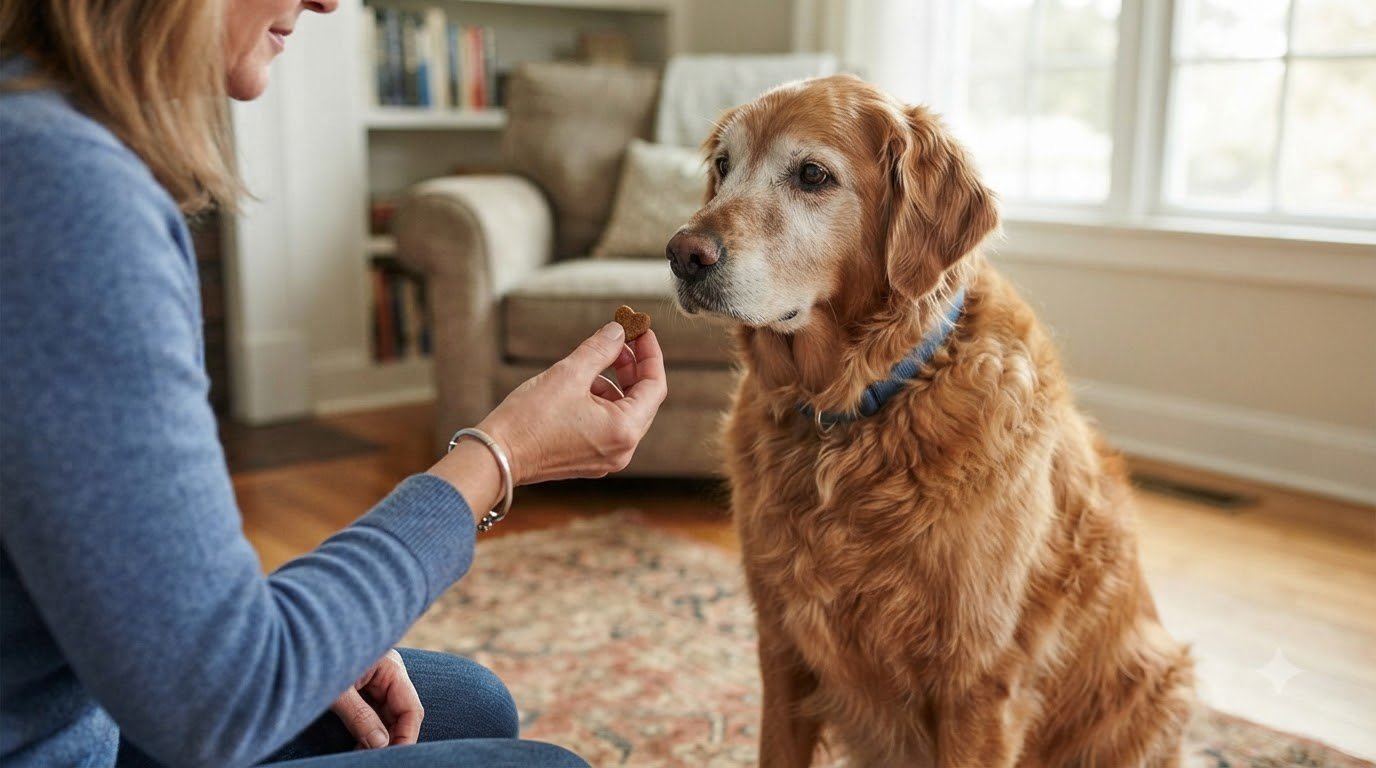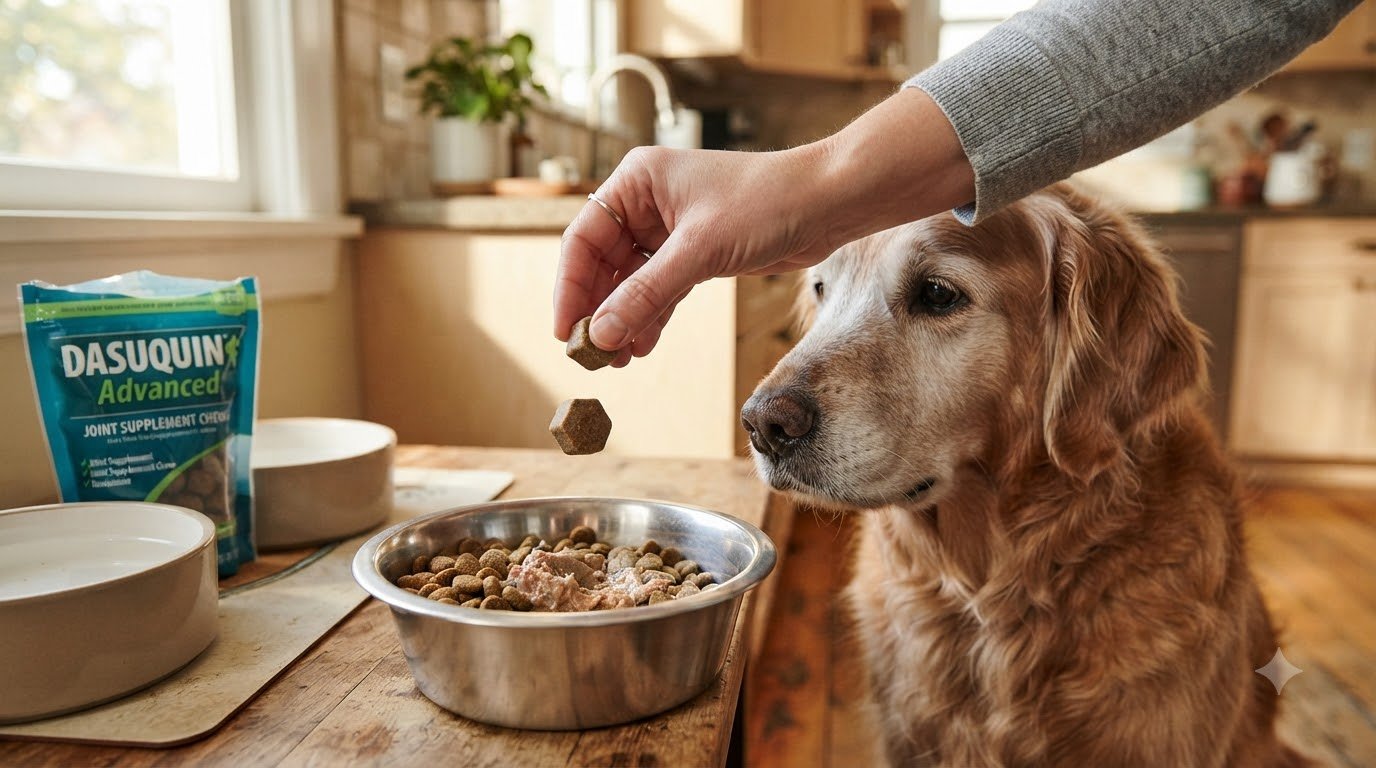
Arthritic dogs and cats lose mobility gradually, and a few low-cost home changes can meaningfully reduce their daily pain: non-slip flooring, ramps or steps to reach furniture, raised food and water bowls, and easy-access litter boxes or potty areas. None of these require a renovation — most can be done in a weekend for under a hundred dollars.
Which Flooring Changes Matter Most?
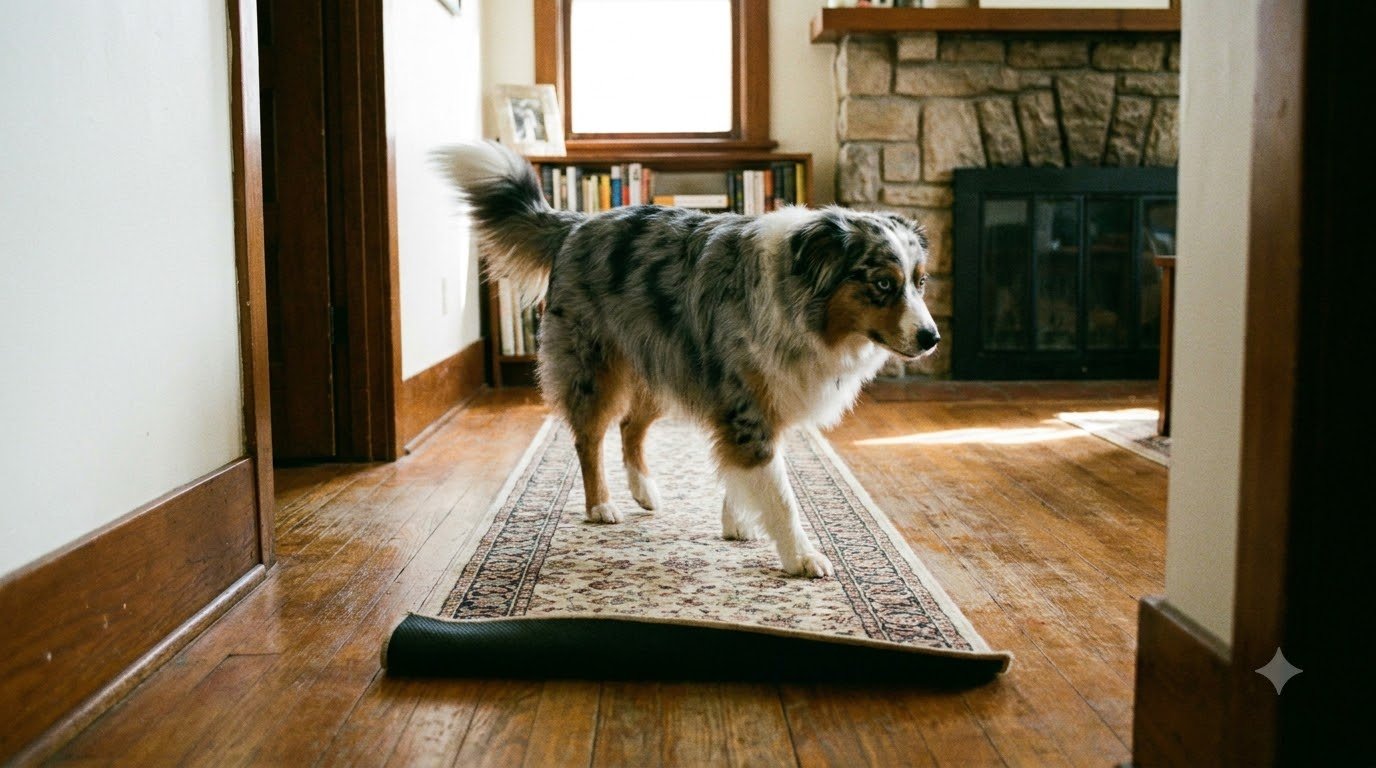
Hardwood, tile, and laminate floors are the biggest daily hazard for arthritic pets — every slip forces overcompensation in already-painful joints.
- Add non-slip rugs or runners along frequently used paths (the route from a bed to a food bowl, for instance)
- Use rubber-backed mats rather than ones that slide on hard floors
- Trim paw fur between pads on dogs, since long fur reduces natural traction
How Do You Help a Pet Reach Furniture or Vehicles Safely?
- Start with a wide, gently sloped ramp rather than a steep one — steeper ramps get avoided entirely
- Place a ramp or a set of pet stairs at the pet’s most-used furniture first, then expand from there
- For cars, a ramp with a non-slip surface reduces the jump-related strain that triggers flare-ups
- Give a pet several short practice sessions before expecting them to use a new ramp confidently
What Changes Help With Eating and Drinking?
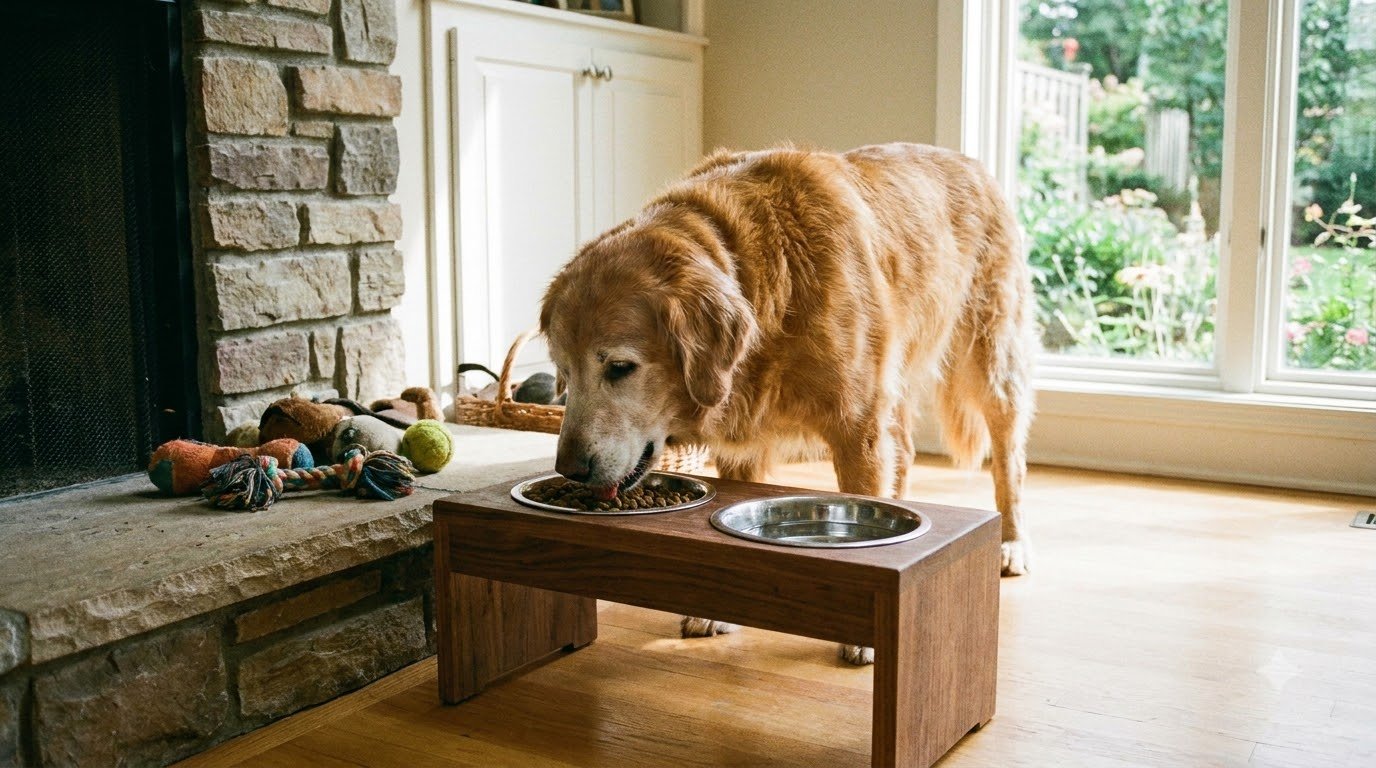
Lowering the need to bend the neck and shift weight onto sore joints makes mealtime less painful. Raised bowl stands, placed at roughly elbow height for that specific pet, are the standard recommendation — avoid guessing a single “correct” height, since it depends on the individual animal’s size and posture.
What About Litter Boxes and Potty Access?
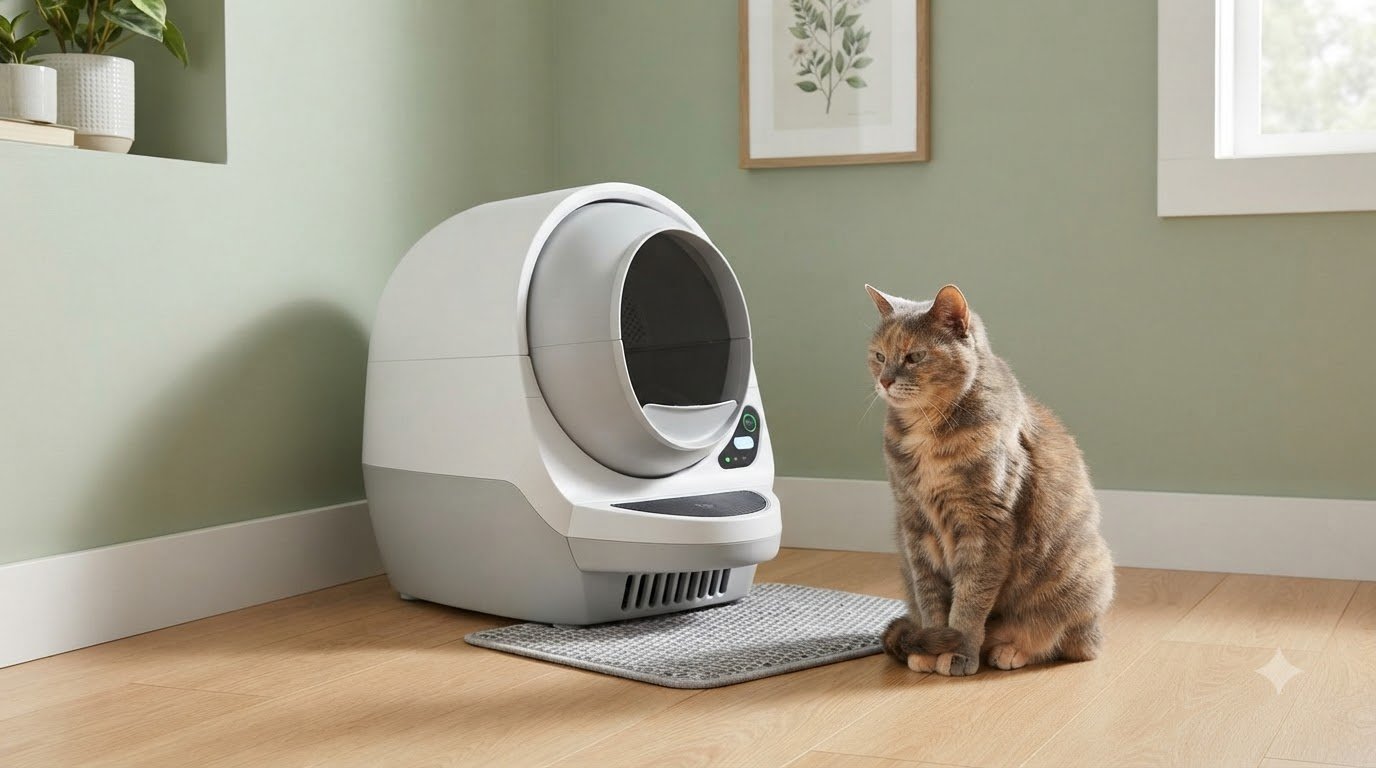
- Choose a litter box with a low entry side so a cat doesn’t have to climb over a tall rim
- Add a litter box on every floor of a multi-story home so an arthritic cat isn’t forced to navigate stairs to reach one
- For dogs, consider a shorter, more frequent walk schedule over fewer long walks, which puts less cumulative strain on joints