No matches found. Try a different search term.
HomeDog BreedsBloodhound
DOG BREED PROFILE

Bloodhound

— Gentle. Determined. Independent.

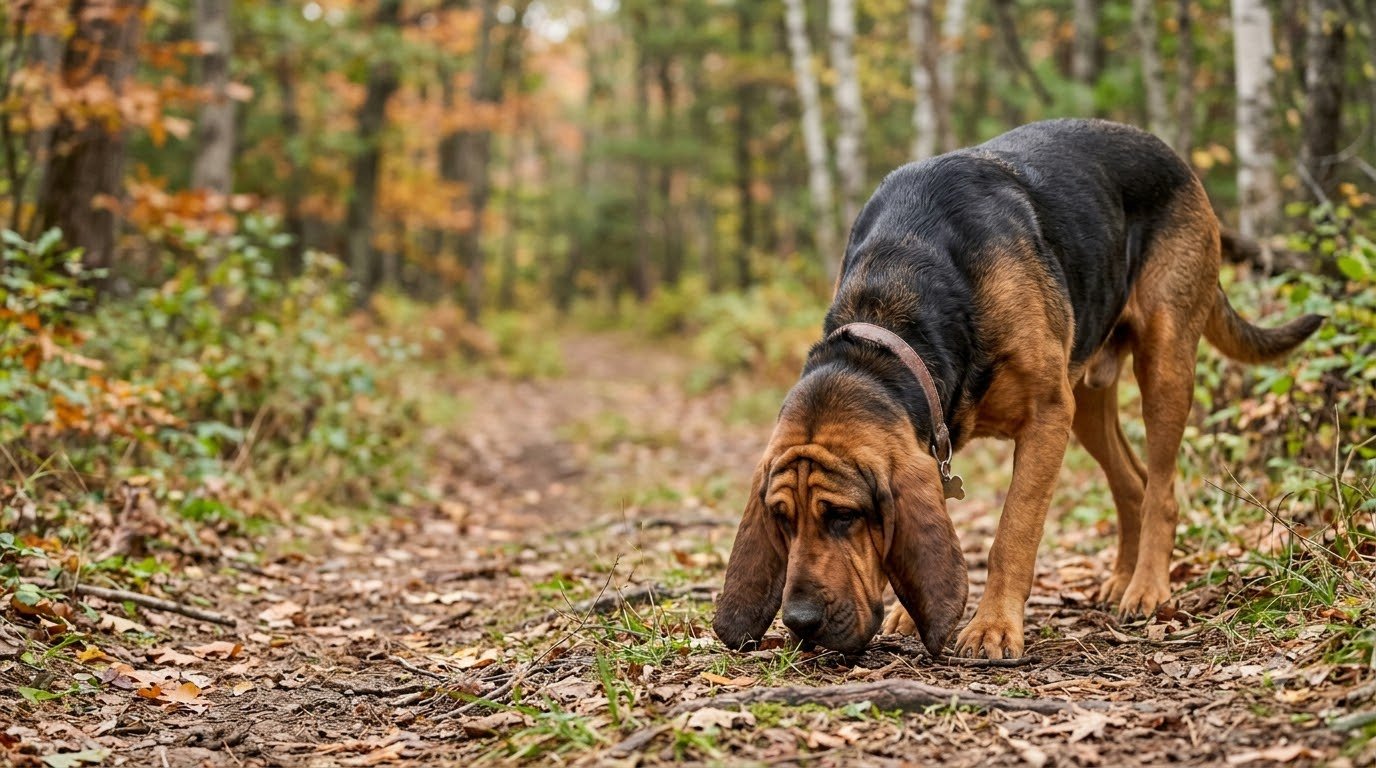
Famous for having the most sensitive nose of any dog breed, the Bloodhound has been used for centuries to track human scent over long distances, including in search-and-rescue and law enforcement work today. Despite their serious working reputation, Bloodhounds are famously gentle, affectionate homebodies.

Belgium/FranceOrigin
Hound GroupBreed Group
10 - 12 YearsLife Expectancy

QUICK OVERVIEW

Owners who can manage a determined tracker
Households with secure fencing
Families wanting a gentle companion
Owners wanting minimal drooling

About the Bloodhound

Famous for having the most sensitive nose of any dog breed, the Bloodhound has been used for centuries to track human scent over long distances, including in search-and-rescue and law enforcement work today. Despite their serious working reputation, Bloodhounds are famously gentle, affectionate homebodies.

Last updated: August 12, 2026
Read Full History
Key Facts

Has the most sensitive sense of smell of any dog breed, used extensively in scent tracking
Bloodhound scent evidence has historically been accepted in some court proceedings
One of the oldest scent hound breeds, with origins tracing back over a thousand years
Known for a famously gentle, mellow temperament despite serious working capabilities

Is Bloodhound Right for You?

Owners who can manage a determined tracker
Households with secure fencing
Families wanting a gentle companion
Owners wanting minimal drooling
Explore More Breeds →

Photo Gallery

View All Breeds →

The Bloodhound has a short, dense, weather-resistant coat coat in black and tan, liver and tan, red, with moderate shedding year-round.

Personality

GentleDespite their serious working reputation, Bloodhounds are known for a calm, affectionate temperament with family.
DeterminedOnce locked onto a scent trail, Bloodhounds can be famously single-minded and difficult to redirect.
IndependentBred for independent tracking decisions over long distances, giving them a self-directed streak.
AffectionateForms close bonds with family, generally good-natured and patient in a home environment.

Care & Needs

ContainmentA securely fenced yard is essential — a Bloodhound following a scent trail will not reliably respond to being called back.
Exercise45-60 minutes of daily activity, ideally including scent-based enrichment like tracking games.
Ear CareTheir exceptionally long, low-set ears trap moisture and debris, making regular cleaning essential to prevent ear infections.
Drooling ManagementTheir loose facial skin and jowls produce significant drooling, which owners should be prepared for as a genuine daily reality.

Did You Know?

A Bloodhound's nose contains up to 300 million scent receptors compared to a human's roughly 6 million, and the breed's tracking ability has historically been recognized in some legal proceedings as credible scent-trail evidence.

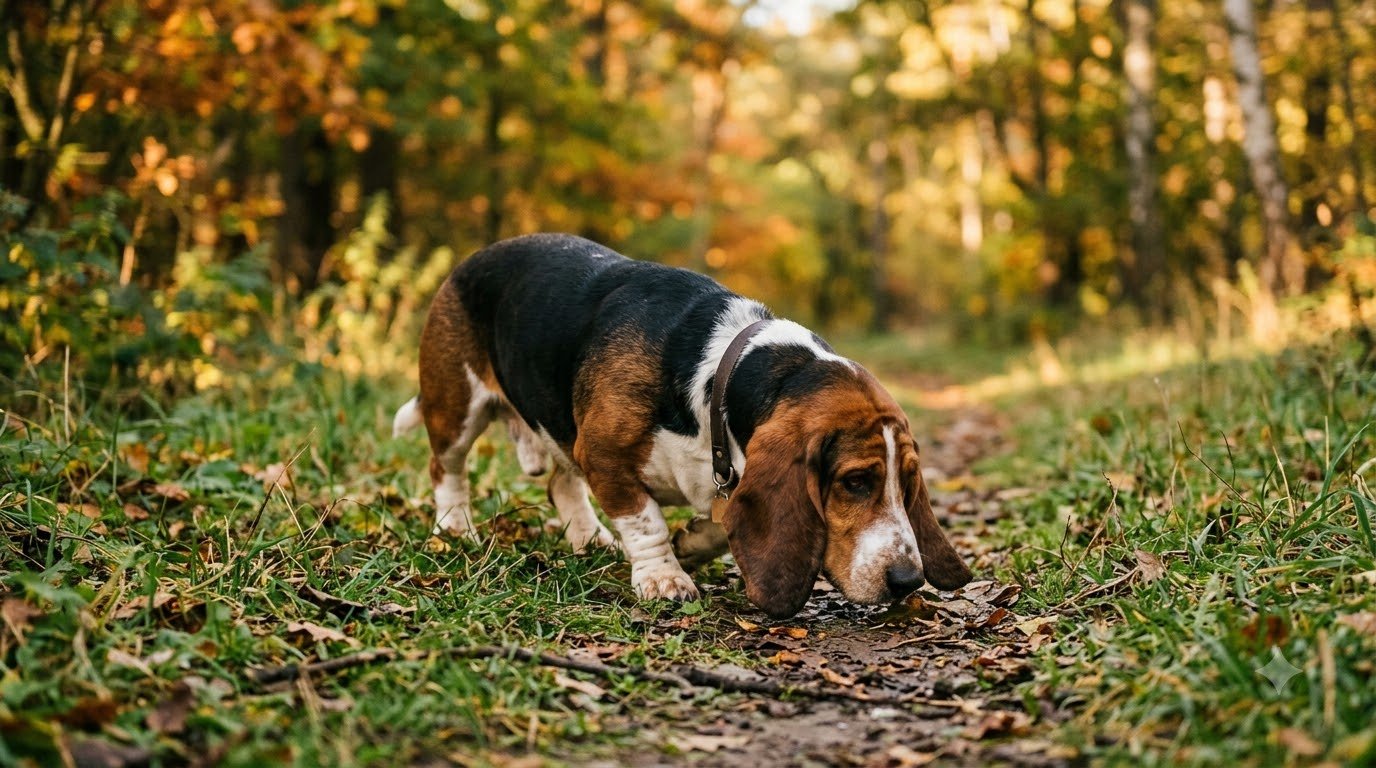
Bloodhounds have been serving humans in many important roles including: Scent Trackers and Search & Rescue .

Health & Common Issues

Bloat (GDV)Deep-chested breeds like the Bloodhound face significantly elevated risk of this life-threatening emergency — smaller meals and avoiding vigorous exercise after eating help reduce risk.
Ear InfectionsOne of the breeds most prone to chronic ear problems due to their exceptionally long, floppy ear structure.
Hip DysplasiaA joint condition documented in the breed's larger build; screening breeding stock helps manage lifetime risk.

Training & Exercise

  • Never rely on off-leash recall in unfenced areas — a scent trail will typically override training for this breed entirely.
  • Use high-value food rewards, since Bloodhounds are food-motivated and respond well to treat-based training.
  • Provide nose-work games and scent tracking activities, suiting their exceptional natural instincts far better than obedience drills alone.
  • Be patient and consistent, since their independent, scent-driven nature means training often takes longer than with more eager-to-please breeds.

History & Origin

700s-1000s Ancestors of the Bloodhound are believed to have been developed by monks in Belgium and France for tracking work, with some lineage tracing to St. Hubert's hounds.
Middle Ages Brought to England by Norman conquerors, valued for tracking deer and other game across long distances.
1800s Became closely associated with tracking human scent, including in law enforcement and search-and-rescue applications.
1885 Officially recognized by the American Kennel Club.

Frequently Asked Questions

Are Bloodhounds good family dogs?
Yes, generally — their gentle, affectionate temperament makes them well suited to families, though their tracking instincts and large size mean secure fencing and patient training matter significantly.
Do Bloodhounds drool a lot?
Yes, significantly — their loose facial skin and prominent jowls produce substantial drooling, which is a genuine daily consideration for owners rather than an occasional inconvenience.
Can Bloodhounds really track scent for miles?
Yes — their exceptional sense of smell allows them to follow scent trails over very long distances and extended time periods, which is why the breed remains widely used in search-and-rescue and law enforcement tracking work today.

Related Guides for Bloodhound Owners

You Might Also Like

Love Bloodhounds?
Get expert tips, care guides & stories straight to your inbox.
No spam Unsubscribe anytime 100% Free