No matches found. Try a different search term.
HomeDog BreedsBull Terrier
DOG BREED PROFILE

Bull Terrier

— Playful. Determined. Comical.

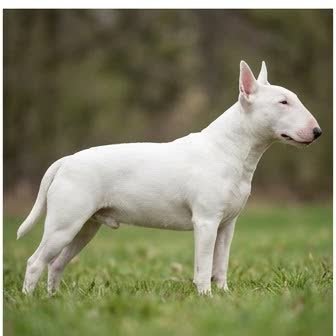
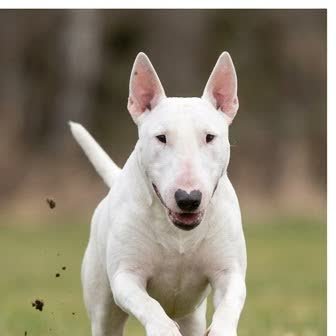
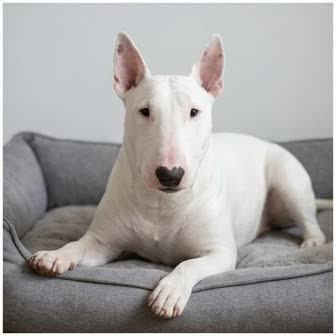
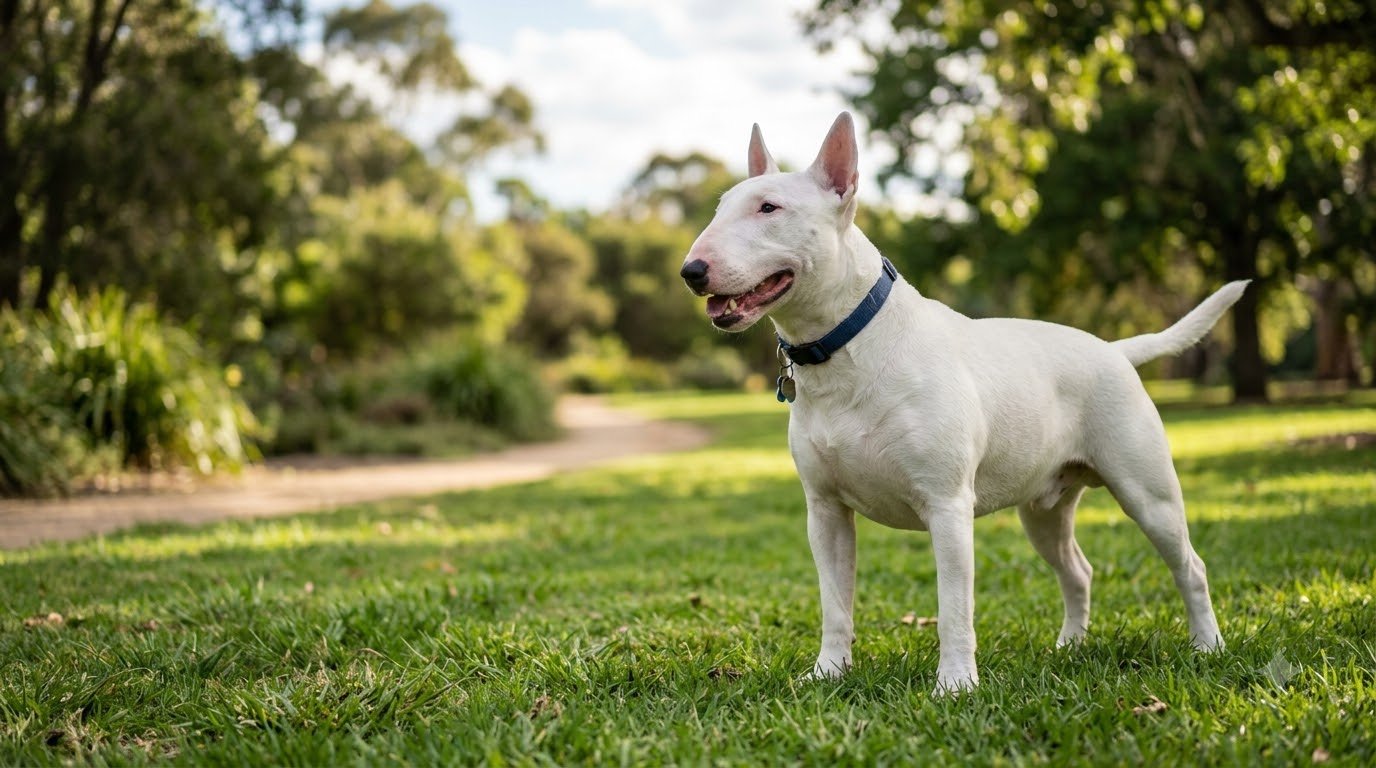
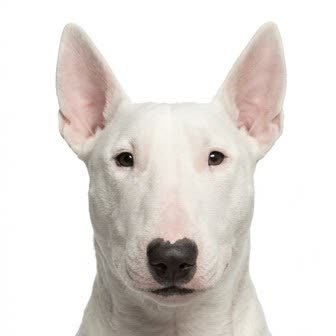
Instantly recognizable by its distinctive egg-shaped head and small, triangular eyes, the Bull Terrier was originally bred for the blood sports of bull and bear baiting before being refined into a gentleman's companion breed in Victorian England. Playful, determined, and famously comical, Bull Terriers combine a muscular build with a genuinely goofy personality.

EnglandOrigin
Terrier GroupBreed Group
12 - 13 YearsLife Expectancy

QUICK OVERVIEW

Experienced owners
Households committed to training
Active families
First-time or very passive owners

About the Bull Terrier

Instantly recognizable by its distinctive egg-shaped head and small, triangular eyes, the Bull Terrier was originally bred for the blood sports of bull and bear baiting before being refined into a gentleman's companion breed in Victorian England. Playful, determined, and famously comical, Bull Terriers combine a muscular build with a genuinely goofy personality.

Last updated: August 12, 2026
Read Full History
Key Facts

Known for a distinctive egg-shaped head, unique among all dog breeds
Descended from bull and bear-baiting dogs before being refined as a companion breed
Refined in Victorian England as a fashionable "gentleman's companion"
Famous for a comical, clownish personality that persists into adulthood

Is Bull Terrier Right for You?

Experienced owners
Households committed to training
Active families
First-time or very passive owners
Explore More Breeds →

Photo Gallery

View All Breeds →

The Bull Terrier has a short, dense, single coat coat in white, or colored with white markings, with moderate shedding year-round.

Personality

PlayfulRetains a puppyish, comedic energy well into adulthood, often described as clownish.
DeterminedOnce focused on an activity, Bull Terriers can be famously stubborn and single-minded.
ComicalKnown for quirky, entertaining behavior that has made the breed a popular advertising mascot historically.
LoyalForms close bonds with family, though early socialization matters given the breed's strength and determination.

Care & Needs

TrainingConsistent, early obedience training is important given their strength and stubborn streak — this is not a breed suited to inconsistent handling.
Exercise45-60 minutes of daily activity to manage their genuinely high energy level.
SocializationEarly, wide-ranging socialization with people and other dogs helps shape a well-adjusted temperament.
GroomingLow-maintenance short coat needs only weekly brushing.

Did You Know?

The Bull Terrier's distinctive egg-shaped head profile, with no visible stop between the skull and muzzle, is unique among all dog breeds and remains one of the most recognizable traits in the canine world.

Bull Terriers have been serving humans in many important roles including: Companion Dogs and Advertising Mascots .

Health & Common Issues

DeafnessWhite-coated Bull Terriers have an elevated documented rate of congenital deafness, linked to the same pigment genetics responsible for their coat color.
Kidney DiseaseSome documented predisposition to hereditary kidney conditions in the breed; screening is available for breeding dogs.
Skin AllergiesSome documented predisposition to skin sensitivities and allergies in the breed.

Training & Exercise

  • Start obedience training early and stay consistent, given their strength and stubborn, determined temperament.
  • Use positive reinforcement combined with firm, clear structure — Bull Terriers respond poorly to harsh correction but need genuine consistency.
  • Socialize extensively as a puppy, given their strength as adults makes early good habits especially important.
  • Provide substantial daily exercise, since boredom in this energetic breed often shows up as destructive behavior.

History & Origin

1830s Developed in England from crosses between Bulldogs and various terrier breeds, initially for the blood sports of bull and bear baiting.
1850s Refined by breeder James Hinks into an all-white "gentleman's companion" with the now-signature egg-shaped head.
1885 Officially recognized by the American Kennel Club.
Today Valued as a loyal, energetic family companion, with the colored variety recognized alongside the original white.

Frequently Asked Questions

Are Bull Terriers good family dogs?
They can be, given consistent training and early socialization, though their strength and determined temperament mean experienced handling and supervision with young children matter significantly.
Why do white Bull Terriers go deaf?
The same genetics responsible for the breed's all-white coat can also affect inner ear development, leading to an elevated documented rate of congenital deafness compared to colored Bull Terriers.
How much exercise does a Bull Terrier need?
A significant amount, typically 45-60 minutes daily — this energetic, muscular breed becomes restless and potentially destructive without enough outlet for its energy.

Related Guides for Bull Terrier Owners

You Might Also Like

Love Bull Terriers?
Get expert tips, care guides & stories straight to your inbox.
No spam Unsubscribe anytime 100% Free