No matches found. Try a different search term.
HomeDog BreedsChow Chow
DOG BREED PROFILE

Chow Chow

— Dignified. Independent. Loyal.

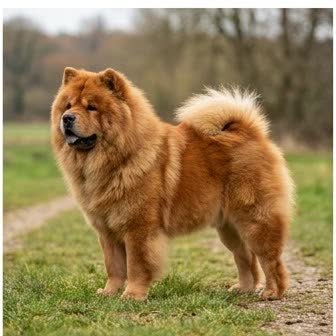
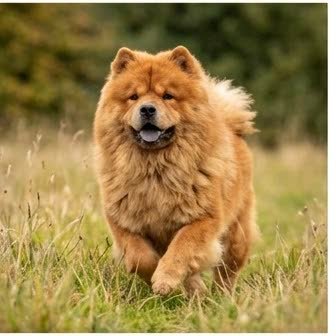
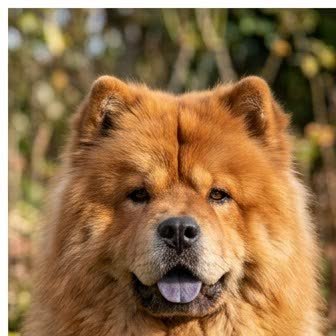
One of the oldest recognized dog breeds, the Chow Chow has a history in China stretching back thousands of years, historically used for hunting, guarding, and pulling carts. Known for a distinctive blue-black tongue and a lion-like mane, Chows are dignified, independent dogs that form deep but selective bonds with their family.

ChinaOrigin
Non-Sporting GroupBreed Group
9 - 15 YearsLife Expectancy

QUICK OVERVIEW

Experienced owners
Households committed to early socialization
Owners wanting an independent companion
Homes with many unfamiliar visitors

About the Chow Chow

One of the oldest recognized dog breeds, the Chow Chow has a history in China stretching back thousands of years, historically used for hunting, guarding, and pulling carts. Known for a distinctive blue-black tongue and a lion-like mane, Chows are dignified, independent dogs that form deep but selective bonds with their family.

Last updated: August 12, 2026
Read Full History
Key Facts

One of only a few dog breeds with a naturally blue-black tongue
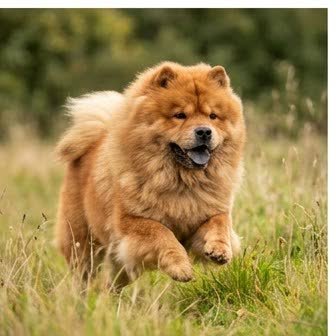
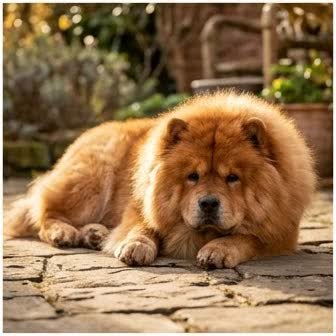
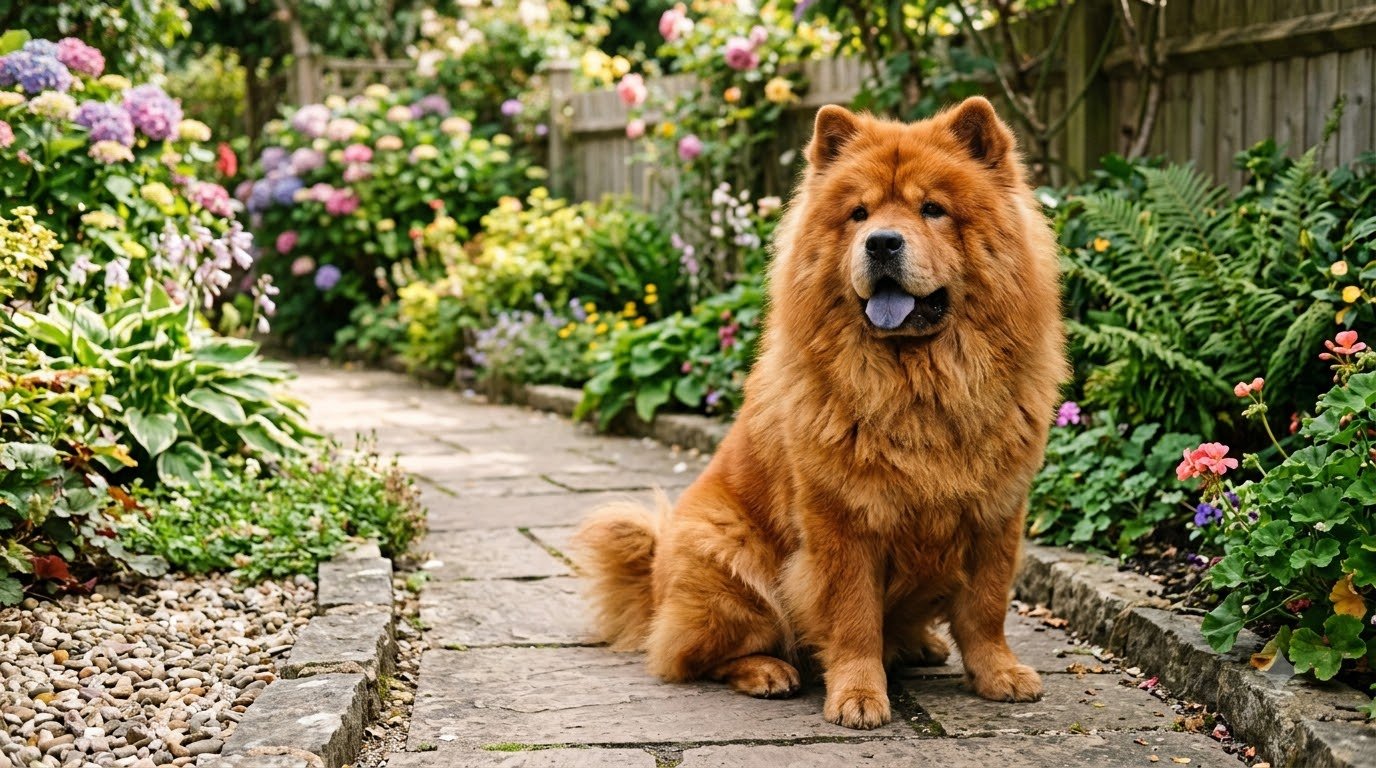
Known for a distinctive thick mane resembling a lion's ruff
One of the oldest documented dog breeds, with Chinese history dating back thousands of years
Distinctive stilted gait and bear-like build set them apart from most breeds

Is Chow Chow Right for You?

Experienced owners
Households committed to early socialization
Owners wanting an independent companion
Homes with many unfamiliar visitors
Explore More Breeds →

Photo Gallery

View All Breeds →

The Chow Chow has a rough or smooth, extremely dense double coat coat in red, black, blue, cinnamon, cream, with heavy (seasonal blowouts) shedding year-round.

Personality

DignifiedCarries themselves with a calm, composed confidence rather than frantic energy.
IndependentComfortable spending time alone and often makes their own decisions, not typically eager to please.
LoyalForms deep, often singular bonds with their family, but rarely overtly demonstrative.
ReservedNaturally wary of strangers, making early, extensive socialization especially important.

Care & Needs

GroomingRequires brushing several times weekly to manage their extremely dense coat, with daily brushing needed during heavy seasonal blowouts.
SocializationEarly, extensive socialization is critical given the breed's natural reserve toward strangers and other dogs.
Heat ManagementTheir thick coat makes them prone to overheating — limit strenuous activity and ensure shade and water in warm weather.
TrainingConsistent, patient handling matters given their independent nature — this is not a breed suited to inconsistent structure.

Did You Know?

The Chow Chow's blue-black tongue is one of only two dog breeds (alongside the Chinese Shar-Pei) to have this distinctive pigmentation, a trait unique among the roughly 200 recognized dog breeds worldwide.

Chow Chows have been serving humans in many important roles including: Hunting Companions , Guard Dogs and Cart Pullers .

Health & Common Issues

Hip DysplasiaA joint condition documented in the breed; screening breeding stock helps manage lifetime risk.
EntropionAn eyelid condition where the lid rolls inward, documented at higher rates in the breed's distinctive facial structure — sometimes requiring corrective surgery.
Elbow DysplasiaA joint condition seen in the breed, similar to hip dysplasia, managed through screening and weight control.

Training & Exercise

  • Begin socialization very early and continue consistently, given the breed's natural reserve and independent temperament.
  • Use firm, patient, positive-reinforcement-based training — Chows are independent-minded and don't respond well to harsh handling.
  • Supervise interactions with unfamiliar dogs and people, especially as adults, given their protective and reserved instincts.
  • Establish grooming routines early, since regular brushing will be a lifelong necessity given their coat density.

History & Origin

Ancient One of the oldest dog breeds, with archaeological and artistic evidence in China dating back over 2,000 years, used for hunting, guarding, and cart-pulling.
1800s Introduced to England, where the breed gained popularity among Victorian nobility.
1903 Officially recognized by the American Kennel Club.
Today Valued primarily as a dignified, independent companion, retaining the distinctive appearance that has made the breed instantly recognizable for millennia.

Frequently Asked Questions

Are Chow Chows good family dogs?
They can be devoted companions, but their natural reserve toward strangers and independent temperament mean early, extensive socialization and experienced handling matter significantly, particularly around young children and visitors.
Why do Chow Chows have blue-black tongues?
It's a distinctive genetic pigmentation trait unique to the breed (shared only with the Chinese Shar-Pei), with the exact evolutionary purpose still debated among researchers.
Do Chow Chows get along with other dogs?
Not always — their independent, reserved temperament means careful, gradual introductions and consistent early socialization matter more for this breed than for more naturally sociable breeds.

Related Guides for Chow Chow Owners

You Might Also Like

Love Chow Chows?
Get expert tips, care guides & stories straight to your inbox.
No spam Unsubscribe anytime 100% Free