No matches found. Try a different search term.
HomeDog BreedsHavanese
DOG BREED PROFILE

Havanese

— Playful. Affectionate. Adaptable.

Cuba's only native dog breed, the Havanese was developed as a companion for Cuban aristocracy and has retained its purely people-focused temperament ever since. Small, sturdy, and famously adaptable, Havanese dogs combine a silky coat with an outgoing, affectionate personality well suited to a wide range of households.

CubaOrigin
Toy GroupBreed Group
14 - 16 YearsLife Expectancy

QUICK OVERVIEW

Apartment or small-space living
Owners committed to regular grooming
Companionship-focused households
Owners wanting minimal grooming

About the Havanese

Cuba's only native dog breed, the Havanese was developed as a companion for Cuban aristocracy and has retained its purely people-focused temperament ever since. Small, sturdy, and famously adaptable, Havanese dogs combine a silky coat with an outgoing, affectionate personality well suited to a wide range of households.

Last updated: August 12, 2026
Read Full History
Key Facts

Cuba's only native dog breed, deeply tied to the island's cultural history
Known for a long, silky, lightweight coat that doesn't weigh the dog down like some longhair breeds
Historically popular as circus and trick-performing dogs given their trainability
Known for an exceptionally cheerful, adaptable temperament

Is Havanese Right for You?

Apartment or small-space living
Owners committed to regular grooming
Companionship-focused households
Owners wanting minimal grooming
Explore More Breeds →

Photo Gallery

View All Breeds →

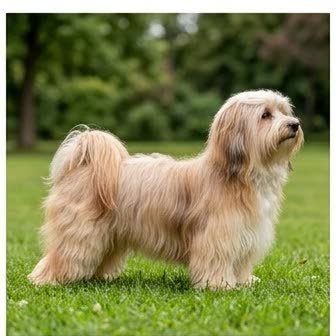
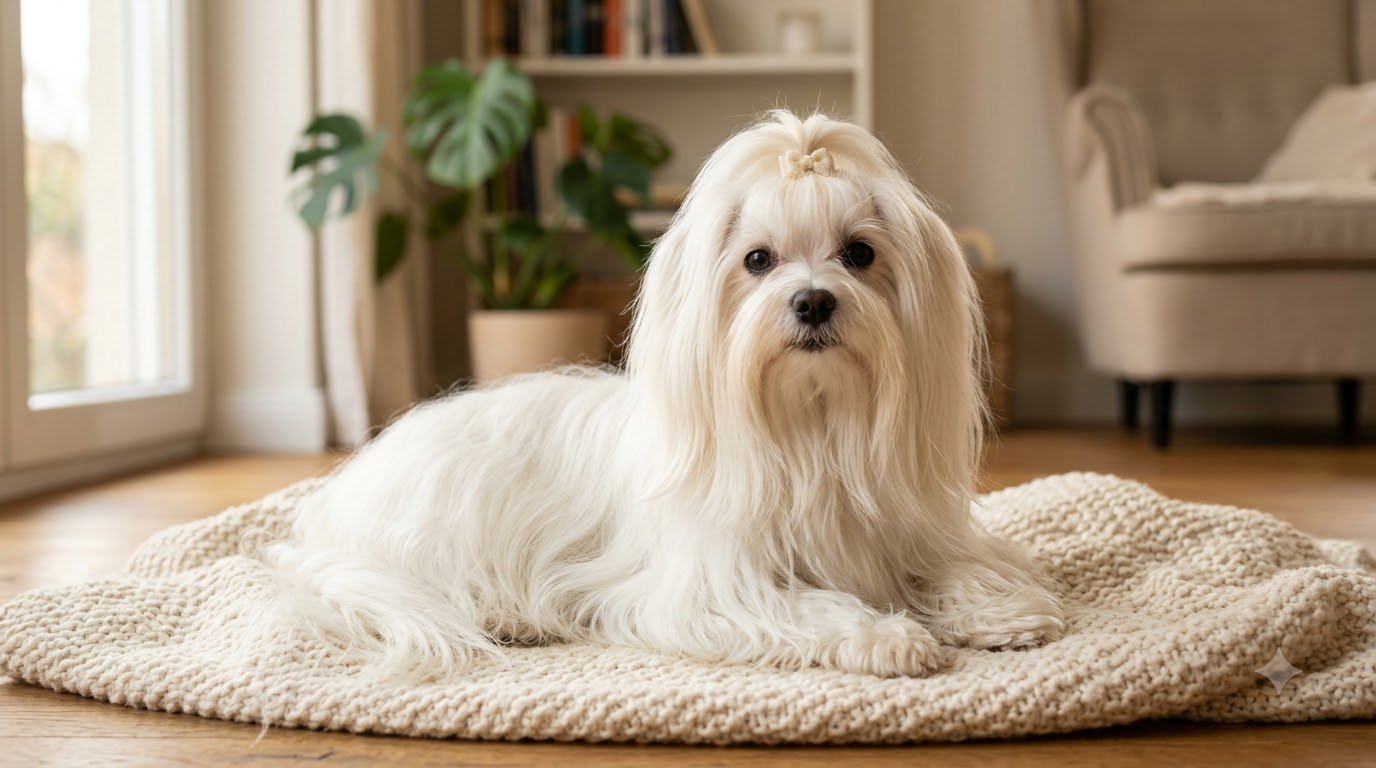
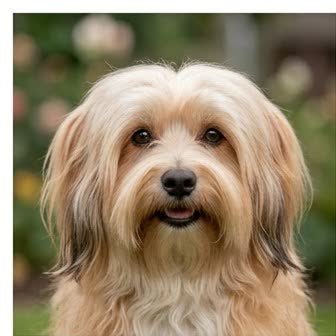
The Havanese has a long, silky, lightweight double coat coat in wide variety, virtually any color or combination, with low shedding year-round.

Personality

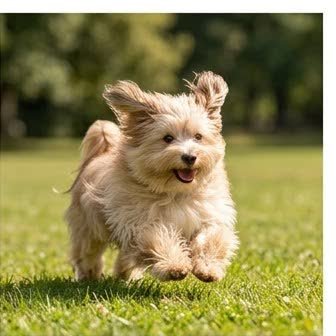
PlayfulEnjoys interactive games and retains a cheerful, kitten-like enthusiasm for play into adulthood.
AffectionateForms close bonds with their family, thriving on companionship and closeness.
AdaptableAdjusts well to different living situations, from apartments to houses, given consistent companionship.
SocialGenerally friendly with strangers, children, and other pets, making them well suited to busy households.

Care & Needs

GroomingRegular brushing several times weekly to manage their long, silky coat and prevent matting.
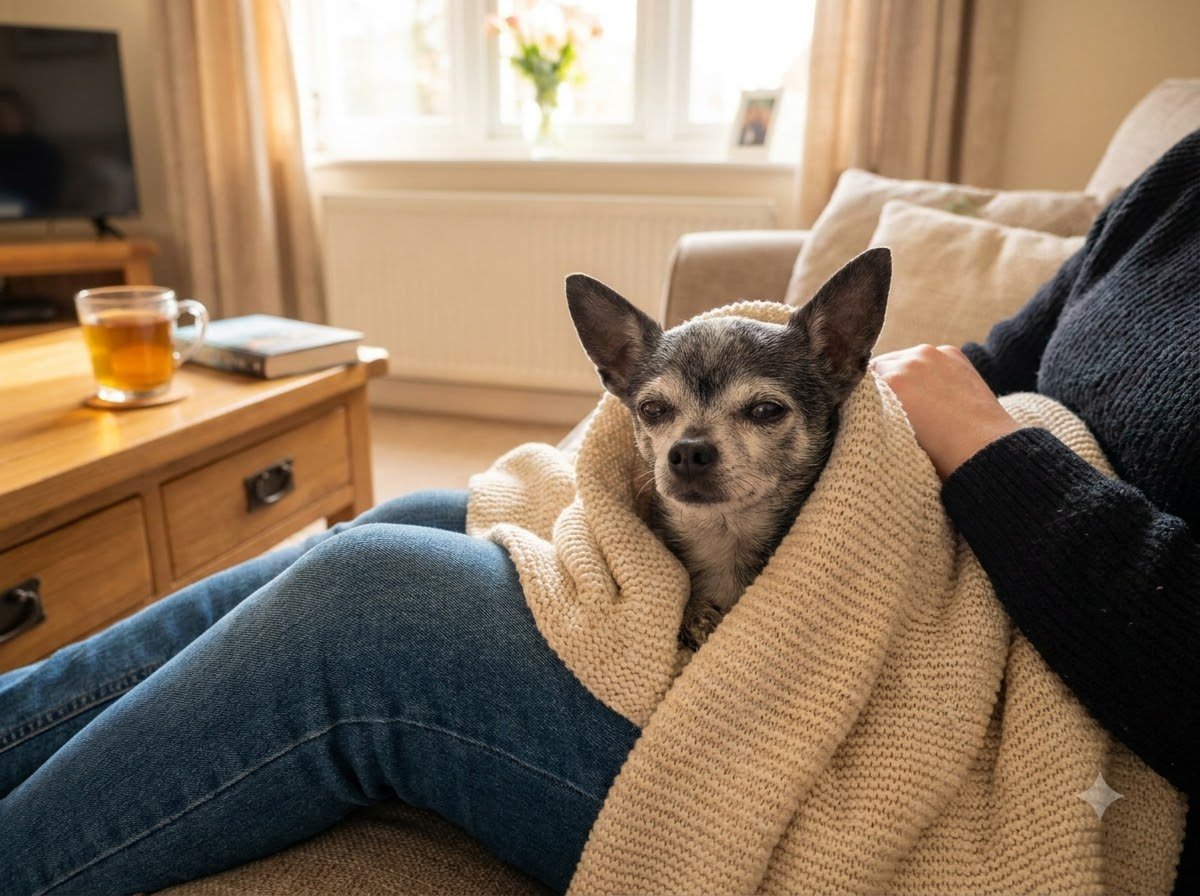
CompanionshipForms close bonds with family and does poorly when left alone for long periods — not a breed suited to being isolated often.
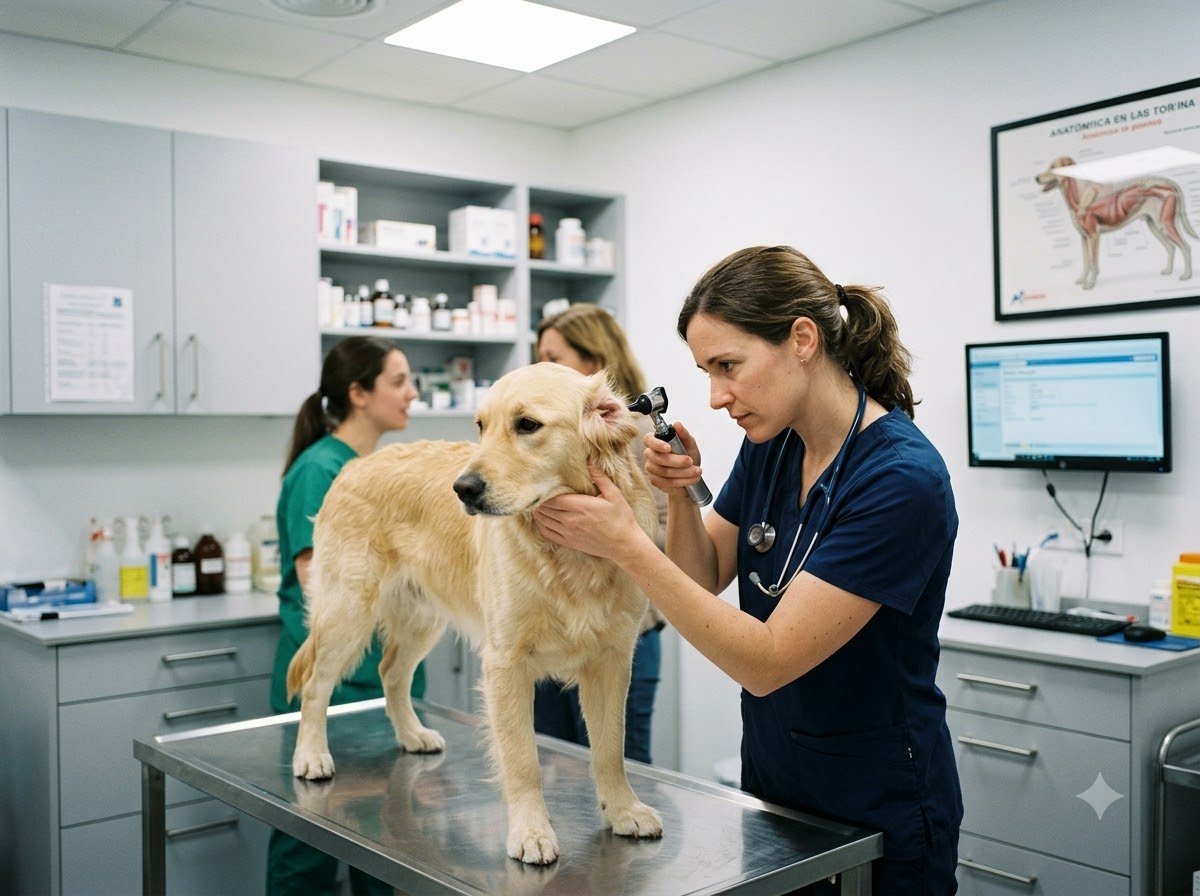
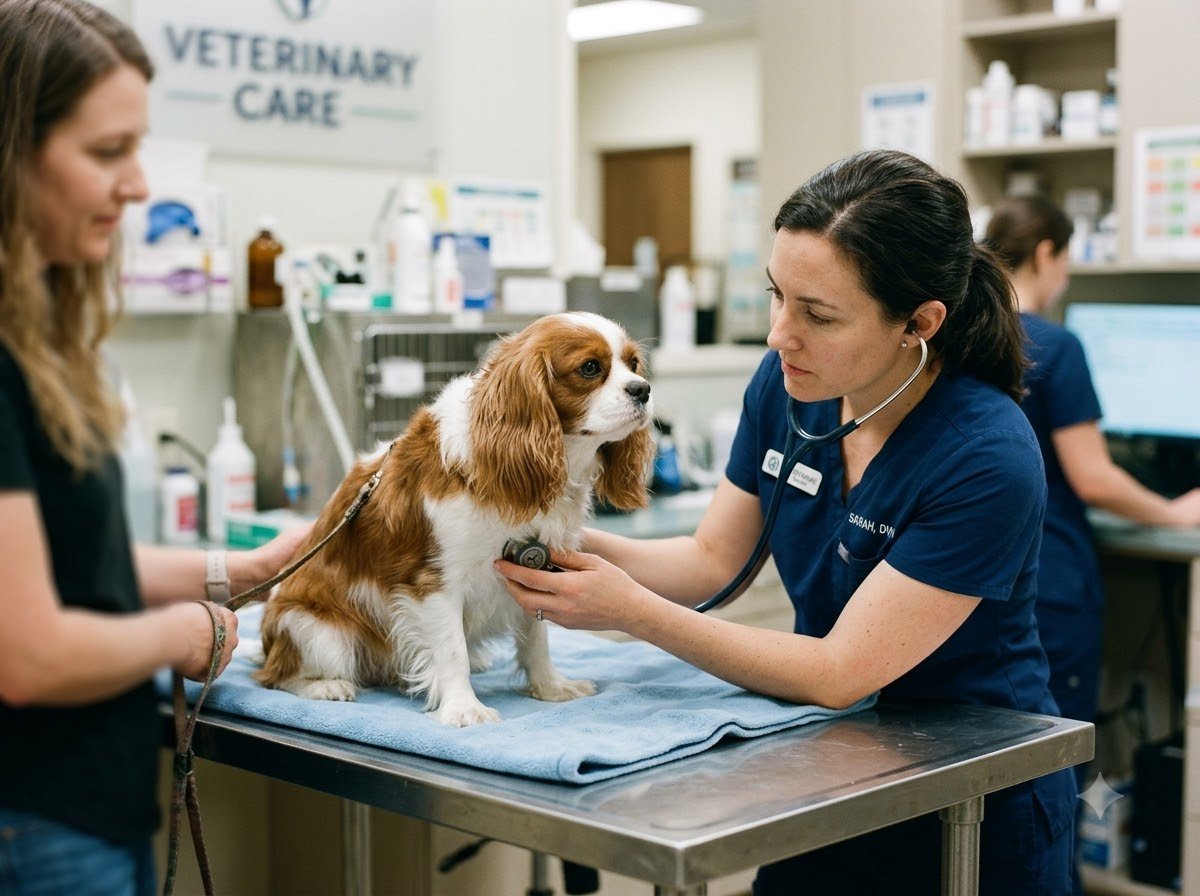
Dental CareToy breeds are especially prone to dental crowding and periodontal disease — regular brushing and vet checks matter.
ExerciseModest daily walks and play are usually sufficient given their small size and moderate energy level.

Did You Know?

Nearly all Havanese dogs registered in the US today are believed to descend from a small number of dogs brought over by Cuban emigres following the 1959 revolution.

Havaneses have been serving humans in many important roles including: Royal/Aristocratic Companions and Circus Performers .

Health & Common Issues

Patellar LuxationA common small-breed joint issue where the kneecap slips out of place, ranging from mild to requiring surgical correction.
Progressive Retinal AtrophyA hereditary eye condition documented in the breed that can lead to gradual vision loss.
ChondrodysplasiaA skeletal condition occasionally documented in the breed affecting limb development.

Training & Exercise

  • Use positive reinforcement; Havanese are highly trainable and historically excelled at circus and trick performance.
  • Practice gradual alone-time conditioning from puppyhood to help manage their tendency toward separation-related stress.
  • Establish consistent grooming routines early so brushing becomes a comfortable, expected part of life.
  • Socialize widely, though most Havanese are naturally friendly and adapt easily to new people and situations.

History & Origin

1500s-1600s Descended from Bichon-type dogs brought to Cuba by Spanish and Italian settlers, developing into the breed we know today.
1800s Became a favored companion breed among Cuban aristocracy, giving rise to the nickname "Havana Silk Dog."
1959 Cuban political upheaval led some breeders to emigrate with their dogs, helping establish the breed in the United States.
1996 Officially recognized by the American Kennel Club.

Frequently Asked Questions

Are Havanese good apartment dogs?
Yes — their small size, moderate exercise needs, and adaptable temperament make them well suited to apartment living, provided they get regular companionship and interaction.
Do Havanese dogs shed?
Very little — their long, silky coat sheds minimally, though regular brushing is still necessary to prevent matting and keep the coat healthy.
Are Havanese good with children?
Yes, generally — their playful, affectionate, adaptable temperament makes them well suited to families, including households with children and other pets.

Related Guides for Havanese Owners

You Might Also Like

Love Havaneses?
Get expert tips, care guides & stories straight to your inbox.
No spam Unsubscribe anytime 100% Free