No matches found. Try a different search term.
HomeCat BreedsNorwegian Forest Cat
CAT BREED PROFILE

Norwegian Forest Cat

— Hardy. Independent. Gentle.

Bred by nature to survive harsh Scandinavian winters, the Norwegian Forest Cat is a large, sturdy breed with a thick, water-resistant double coat and excellent climbing ability. Independent yet affectionate, "Wegies" combine a hardy, self-sufficient nature with a genuinely gentle temperament toward their family.

NorwayOrigin
LonghairBreed Group
14 - 16 YearsLife Expectancy

QUICK OVERVIEW

Families and multi-pet households
Owners wanting an independent but affectionate cat
Homes with climbing space
Owners wanting a constantly clingy lap cat

About the Norwegian Forest Cat

Bred by nature to survive harsh Scandinavian winters, the Norwegian Forest Cat is a large, sturdy breed with a thick, water-resistant double coat and excellent climbing ability. Independent yet affectionate, "Wegies" combine a hardy, self-sufficient nature with a genuinely gentle temperament toward their family.

Last updated: August 12, 2026
Read Full History
Key Facts

Naturally evolved in Norway's forests, adapted to survive harsh winters
Excellent climbers with strong claws suited to descending trees head-first
Featured in Norse mythology, believed to be the inspiration for legendary "skogkatt" forest cats
Large, sturdy build with a thick double coat for cold-weather insulation

Is Norwegian Forest Cat Right for You?

Families and multi-pet households
Owners wanting an independent but affectionate cat
Homes with climbing space
Owners wanting a constantly clingy lap cat
Explore More Breeds →

Photo Gallery

View All Breeds →

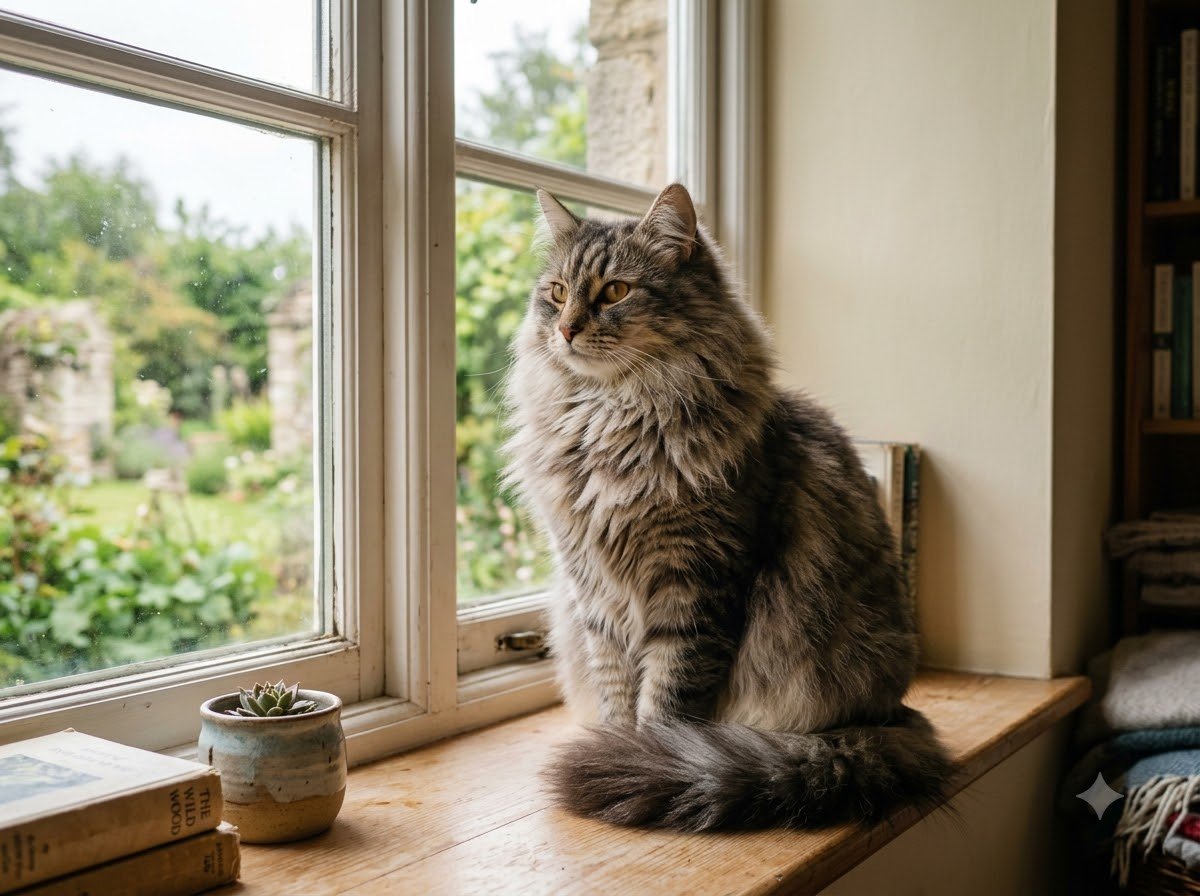
The Norwegian Forest Cat has a long, thick, water-resistant double coat coat in wide variety, including brown tabby, black, white, with high (seasonal) shedding year-round.

Personality

HardyNaturally resilient, having evolved to survive Scandinavian forest winters with minimal human assistance.
IndependentComfortable spending time alone, though not aloof — enjoys companionship on their own terms.
GentleDespite their large size, known for a calm, patient temperament well suited to families.
CuriousEnjoys exploring and climbing, reflecting their natural forest-dwelling heritage.

Care & Needs

GroomingWeekly brushing manages their thick double coat, with more frequent care during heavy seasonal shedding.
Climbing SpaceBenefits from tall cat trees or shelving, reflecting their natural climbing instincts and strong claws.
DietTheir larger size means portion control matters to prevent weight gain, similar to other larger cat breeds.
Cold ToleranceTheir thick coat makes them naturally comfortable in cooler indoor temperatures compared to some breeds.

Did You Know?

The Norwegian Forest Cat is sometimes called the national cat of Norway, reflecting its deep cultural ties to Scandinavian folklore and history.

Norwegian Forest Cats have been serving humans in many important roles including: Farm Cats , Show Cats and Family Companions .

Health & Common Issues

Hypertrophic CardiomyopathyA heart condition documented in the breed, making cardiac screening a valuable preventive measure.
Glycogen Storage DiseaseA rare hereditary metabolic condition specific to the breed; genetic testing is available for breeding cats.
Hip DysplasiaDocumented in the breed given their larger size, similar to concerns seen in some large dog breeds.

Training & Exercise

  • Provide tall climbing structures and scratching posts, tapping into their strong natural climbing instincts.
  • Respect their independent streak — Norwegian Forest Cats generally prefer choosing when to seek affection.
  • Introduce grooming routines early so brushing becomes a comfortable, accepted part of their care.
  • Offer puzzle feeders or exploratory enrichment, since their curious nature benefits from mental engagement.

History & Origin

Ancient Believed to have naturally evolved in Norway's forests over centuries, with possible ties to cats brought by Vikings from other regions.
Norse Era Referenced in Norse mythology and folklore as the "skogkatt" (forest cat), sometimes associated with legendary tales.
1930s Formal breeding programs began in Norway to preserve and standardize the breed.
1977 Officially recognized as a distinct breed, with international recognition following in subsequent decades.

Frequently Asked Questions

Are Norwegian Forest Cats good with children?
Yes, generally — their gentle, patient temperament makes them well suited to families, though supervision matters given their larger size during play.
Do Norwegian Forest Cats need a lot of grooming?
Weekly brushing is generally sufficient, though shedding increases significantly during seasonal coat changes, requiring more frequent attention during those periods.
Are Norwegian Forest Cats independent?
Yes, more so than some breeds — they're comfortable spending time alone and tend to seek affection on their own terms rather than constantly demanding attention, though they remain genuinely affectionate with their family.

Related Guides for Norwegian Forest Cat Owners

You Might Also Like

Love Norwegian Forest Cats?
Get expert tips, care guides & stories straight to your inbox.
No spam Unsubscribe anytime 100% Free