No matches found. Try a different search term.
HomeDog BreedsPembroke Welsh Corgi
DOG BREED PROFILE

Pembroke Welsh Corgi

— Spirited. Smart. Loyal.

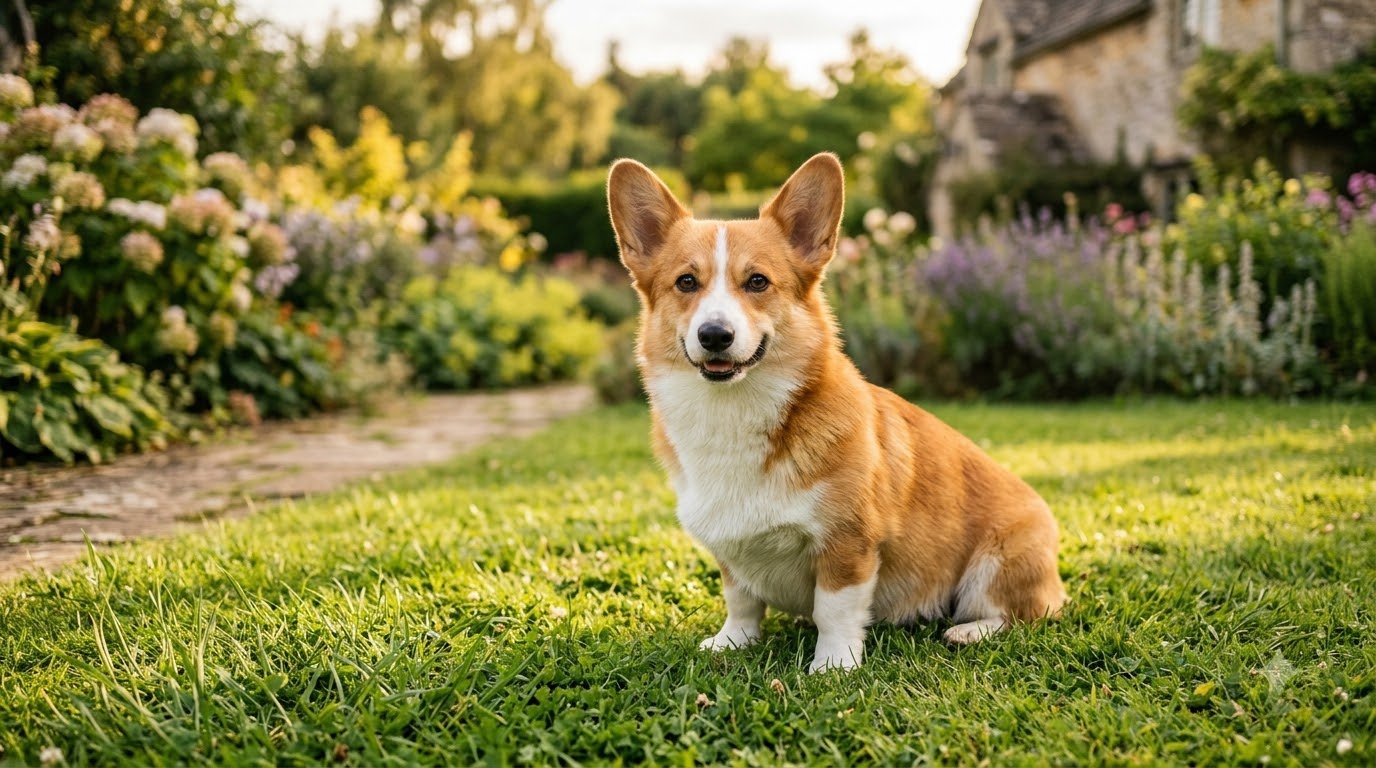
Instantly recognizable by their short legs, long body, and famously animated personality, the Pembroke Welsh Corgi was bred in Wales to herd cattle by nipping at their heels. Beloved as the preferred breed of Queen Elizabeth II for decades, Corgis combine a big-dog personality with a small-dog frame.

WalesOrigin
Herding GroupBreed Group
12 - 13 YearsLife Expectancy

QUICK OVERVIEW

Active families
Owners who can manage joint/back health
Households with time for training
Owners wanting a low-shedding breed

About the Pembroke Welsh Corgi

Instantly recognizable by their short legs, long body, and famously animated personality, the Pembroke Welsh Corgi was bred in Wales to herd cattle by nipping at their heels. Beloved as the preferred breed of Queen Elizabeth II for decades, Corgis combine a big-dog personality with a small-dog frame.

Last updated: August 12, 2026
Read Full History
Key Facts

Famously favored by Queen Elizabeth II, who owned over 30 Corgis during her reign
Bred to herd cattle by nipping at heels, using their low stature to avoid kicks
One of two distinct Corgi breeds, differentiated from the Cardigan Welsh Corgi by a shorter tail
Highly intelligent and trainable, ranking among the smarter herding breeds

Is Pembroke Welsh Corgi Right for You?

Active families
Owners who can manage joint/back health
Households with time for training
Owners wanting a low-shedding breed
Explore More Breeds →

Photo Gallery

View All Breeds →

The Pembroke Welsh Corgi has a medium-length, weather-resistant double coat coat in red, sable, fawn, black and tan, with high (seasonal blowouts) shedding year-round.

Personality

SpiritedConfident and lively, Corgis carry themselves with more boldness than their small size might suggest.
SmartQuick learners bred for independent herding decisions, benefiting from consistent mental engagement.
LoyalForms close bonds with family and can be reserved or watchful with strangers.
VocalNaturally alert and prone to barking at new sights or sounds without consistent training.

Care & Needs

Back HealthTheir long body and short legs carry some elevated risk of spinal issues — limiting jumping on/off furniture helps protect their back.
Exercise45-60 minutes of daily activity; a genuinely energetic herding breed despite its short stature.
GroomingBrushing 2-3 times weekly, more during seasonal shedding, to manage their thick double coat.
DietProne to weight gain, which puts additional strain on their long spine — keeping them lean matters more than for many breeds.

Did You Know?

Queen Elizabeth II owned more than 30 Corgis during her 70-year reign, many descended from her very first Corgi, Susan, gifted in 1944.

Pembroke Welsh Corgis have been serving humans in many important roles including: Cattle Herders and Royal Companions .

Health & Common Issues

Intervertebral Disc DiseaseTheir long spine and short legs predispose them to disc issues, similar to Dachshunds — limiting jumping helps manage risk.
Hip DysplasiaA joint condition documented in the breed despite their small size; screening breeding stock helps manage risk.
Degenerative MyelopathyA progressive spinal cord disease seen at higher rates in Corgis, usually appearing in senior years.

Training & Exercise

  • Use positive reinforcement consistently; Corgis are intelligent but can be independent-minded without engaging training.
  • Discourage jumping on and off furniture from puppyhood to help protect their long back over their lifetime.
  • Socialize early to manage their natural wariness of strangers and tendency toward vocal alerting.
  • Provide mentally engaging games alongside physical exercise, tapping into their herding-bred problem-solving instincts.

History & Origin

1100s Ancestors of the Pembroke Welsh Corgi are believed to have arrived in Wales with Flemish weavers, used for herding cattle.
1600s-1800s Developed as a working farm dog throughout Wales, prized for herding ability despite small size.
1934 Officially recognized as a breed distinct from the Cardigan Welsh Corgi by The Kennel Club.
1944 Gained significant royal association after King George VI gifted a Corgi to Princess Elizabeth, beginning a decades-long royal tradition.

Frequently Asked Questions

Why do Corgis have short legs?
It's a natural genetic trait (chondrodysplasia) that was historically useful for herding, allowing the dogs to duck under cattle kicks while nipping at heels — the same trait now carries some elevated back health risk.
Are Corgis good with children?
Generally yes, given their playful, loyal temperament, though their herding instinct to nip at heels sometimes needs redirection around young, running children.
Do Corgis shed a lot?
Yes, significantly — their thick double coat sheds year-round with heavy seasonal blowouts, making regular brushing an important part of ownership.

Related Guides for Pembroke Welsh Corgi Owners

You Might Also Like

Love Pembroke Welsh Corgis?
Get expert tips, care guides & stories straight to your inbox.
No spam Unsubscribe anytime 100% Free