No matches found. Try a different search term.
HomeDog BreedsShetland Sheepdog
DOG BREED PROFILE

Shetland Sheepdog

— Intelligent. Devoted. Gentle.

Developed on Scotland's rugged Shetland Islands to herd sheep and poultry in a smaller package suited to the islands' limited resources, the Shetland Sheepdog ("Sheltie") is often described as a miniature Rough Collie. Highly intelligent, devoted, and gentle, Shelties excel in obedience work and make attentive family companions.

Shetland Islands, ScotlandOrigin
Herding GroupBreed Group
12 - 14 YearsLife Expectancy

QUICK OVERVIEW

Families with time for training
Owners wanting a trainable herding breed
Active households
Owners in noise-sensitive living situations

About the Shetland Sheepdog

Developed on Scotland's rugged Shetland Islands to herd sheep and poultry in a smaller package suited to the islands' limited resources, the Shetland Sheepdog ("Sheltie") is often described as a miniature Rough Collie. Highly intelligent, devoted, and gentle, Shelties excel in obedience work and make attentive family companions.

Last updated: August 12, 2026
Read Full History
Key Facts

Developed on Scotland's Shetland Islands, bred smaller to suit limited island resources
Consistently ranks among the most intelligent and trainable dog breeds
Excels in obedience and agility competitions, often near the top of rankings
Naturally vocal and alert, prone to barking without consistent training

Is Shetland Sheepdog Right for You?

Families with time for training
Owners wanting a trainable herding breed
Active households
Owners in noise-sensitive living situations
Explore More Breeds →

Photo Gallery

View All Breeds →

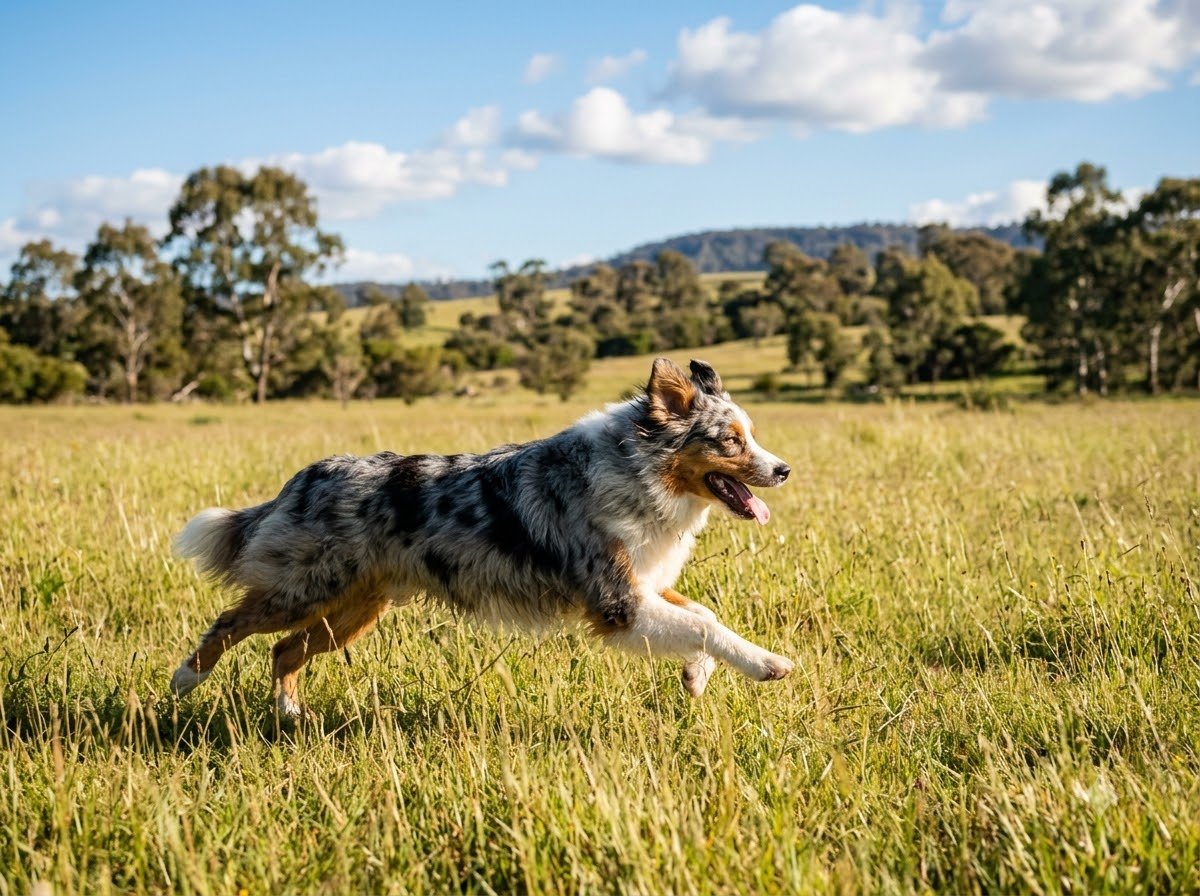
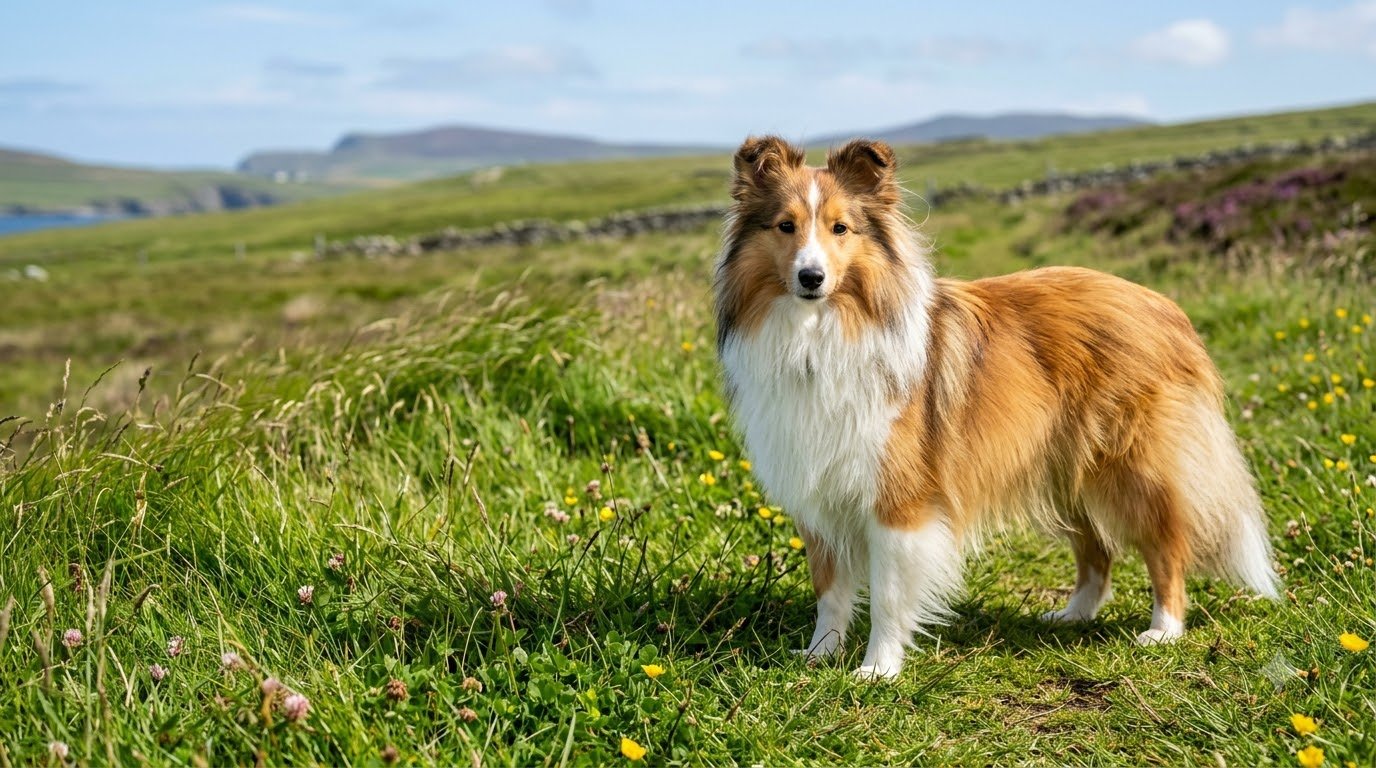
The Shetland Sheepdog has a long, dense, weather-resistant double coat coat in sable, tricolor, blue merle, black and white, with high (seasonal blowouts) shedding year-round.

Personality

IntelligentOne of the most trainable herding breeds, quick to learn commands and routines.
DevotedForms close bonds with family, often described as eager to please and attentive.
GentleGenerally mild-mannered and good with children, though can be reserved with strangers.
AlertNaturally watchful and vocal, quick to announce visitors or unfamiliar sounds.

Care & Needs

Exercise45-60 minutes of daily activity combining walks, play, and mental engagement to match their herding-bred energy and intelligence.
GroomingBrushing 2-3 times weekly, more during seasonal shedding, to manage their thick double coat.
Mental StimulationBenefits significantly from training and structured activities like obedience or agility, given their intelligence.
TrainingConsistent, positive training helps manage their natural tendency toward vocal alerting and herding behaviors.

Did You Know?

Shetland Sheepdogs are sometimes mistaken for miniature Rough Collies, but they were developed as a genuinely distinct breed rather than simply a smaller version of the larger Collie.

Shetland Sheepdogs have been serving humans in many important roles including: Sheep Herders and Obedience Champions .

Health & Common Issues

Collie Eye AnomalyA hereditary eye condition specific to herding breeds like the Sheltie, ranging from mild to causing vision impairment.
Hip DysplasiaA joint condition documented in the breed; screening breeding stock helps manage lifetime risk.
MDR1 Gene SensitivityA genetic mutation found in some Shelties that causes sensitivity to certain medications — genetic testing can identify carriers before drug treatment is needed.

Training & Exercise

  • Provide genuine mental challenges alongside physical exercise — this breed's intelligence needs advanced training or structured tasks to stay balanced.
  • Use positive reinforcement; Shelties are highly sensitive and respond exceptionally well to reward-based methods.
  • Address vocal alerting behaviors early with consistent training, channeling their natural watchfulness productively.
  • Socialize early to manage their natural reserve around unfamiliar people, given their historically watchful herding temperament.

History & Origin

1700s-1800s Developed on Scotland's Shetland Islands, bred smaller than mainland collies to suit the islands' limited grazing resources.
Early 1900s Refined and standardized, with some King Charles Spaniel and Collie crosses used to establish the modern breed type.
1911 Officially recognized by The Kennel Club in England.
1911 Officially recognized by the American Kennel Club shortly after.

Frequently Asked Questions

Are Shetland Sheepdogs good family dogs?
Yes, generally — their gentle, devoted temperament makes them well suited to families, though early socialization helps manage their natural reserve around strangers and tendency toward vocal alerting.
Do Shetland Sheepdogs bark a lot?
Yes, generally — their natural alertness and herding-bred watchfulness make them prone to frequent barking without consistent training to manage the behavior.
How much exercise does a Shetland Sheepdog need?
A moderate-to-significant amount, typically 45-60 minutes daily combining physical activity and mental engagement, reflecting their heritage as an intelligent working herding breed.

Related Guides for Shetland Sheepdog Owners

You Might Also Like

Love Shetland Sheepdogs?
Get expert tips, care guides & stories straight to your inbox.
No spam Unsubscribe anytime 100% Free