No matches found. Try a different search term.
Home / Dog Care / At What Age Is a Dog Considered a Senior?
DOG CARE

At What Age Is a Dog Considered a Senior?

Last updated: August 10, 2026 · Written by PetsBeyondMiles Editorial Team
Most dogs are seniors between 7 and 10, but breed size shifts the timeline a lot. Here's how vets actually determine senior status.

Most dogs are considered seniors between 7 and 10 years old, but the exact age depends heavily on size. Small breeds often aren’t seniors until 10–12, while giant breeds can reach senior status by 6. Vets typically weigh breed size and physical exam findings rather than using one fixed cutoff.

Why Does Size Change the Timeline?

Larger dogs age faster than smaller ones. A great dane may show signs of aging by 5–6 years old, while a chihuahua might not reach the same stage until 11 or 12. Vets generally group dogs into four size bands when estimating when senior status begins:

  • Small breeds (under 20 lbs): senior around 10–12 years
  • Medium breeds (20–50 lbs): senior around 8–10 years
  • Large breeds (50–90 lbs): senior around 7–8 years
  • Giant breeds (over 90 lbs): senior around 5–6 years
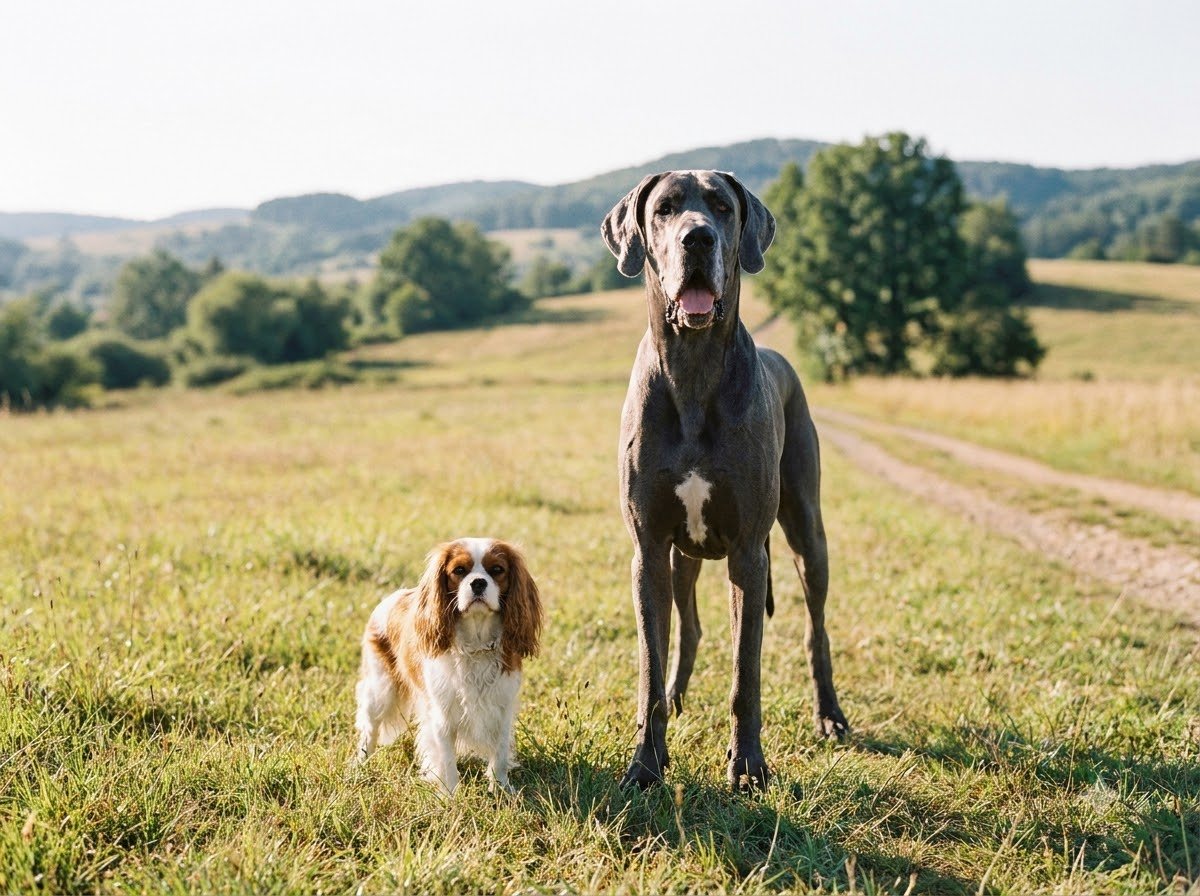
A small breed dog and a large breed dog standing side by side
Size is the single biggest factor in when a dog reaches senior status — not just age in years.

What Physical Signs Do Vets Look For?

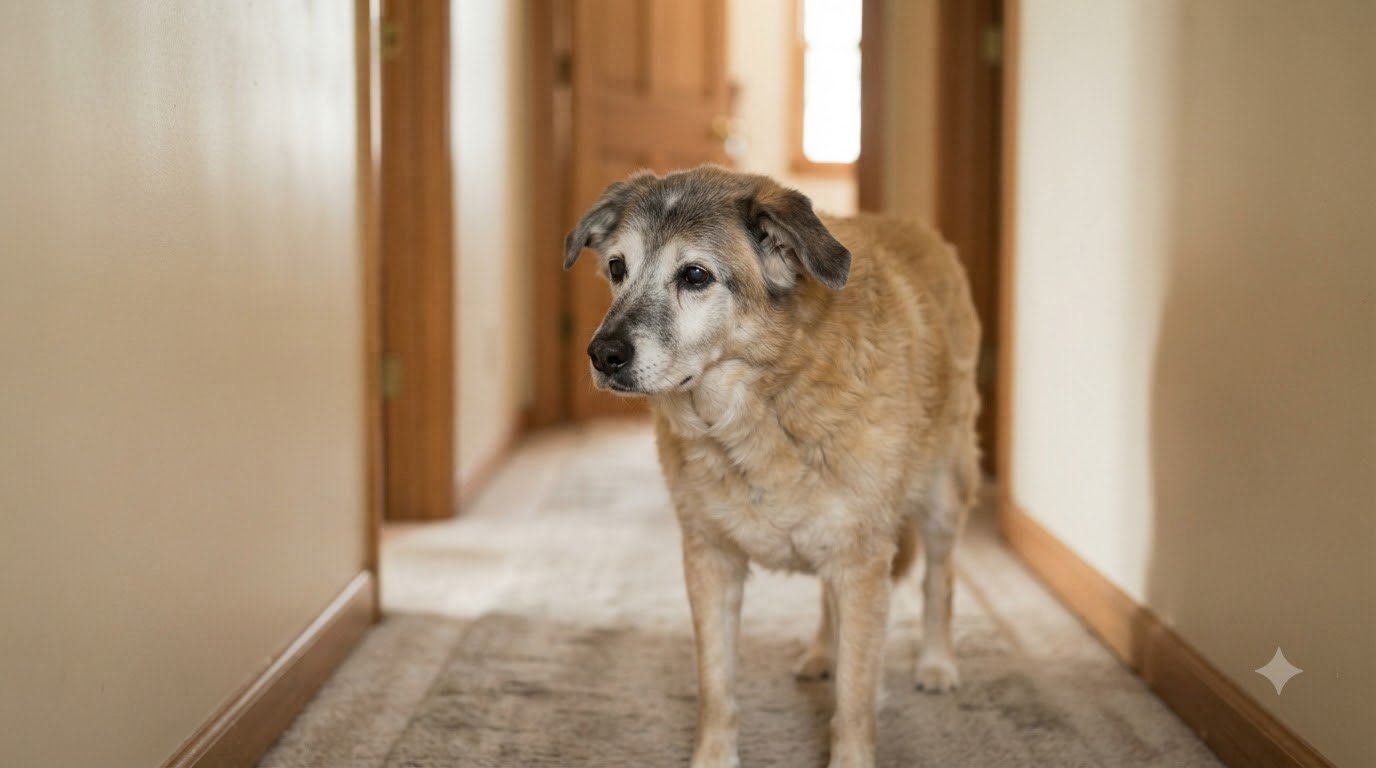
  • Graying around the muzzle and paws
  • Reduced muscle mass, especially in the hind legs
  • Cloudy or bluish eyes (lens sclerosis)
  • Slower to rise or lie down
  • Noticeable weight gain or loss
  • Dental wear, tartar buildup, or tooth loss

What Are the Behavioral Signs of Aging?

  • Sleeping more during the day
  • Less interest in play or walks
  • Increased anxiety or clinginess
  • Occasional confusion or disorientation
  • Changes in house-training habits

What Should You Do Once Your Dog Reaches Senior Age?
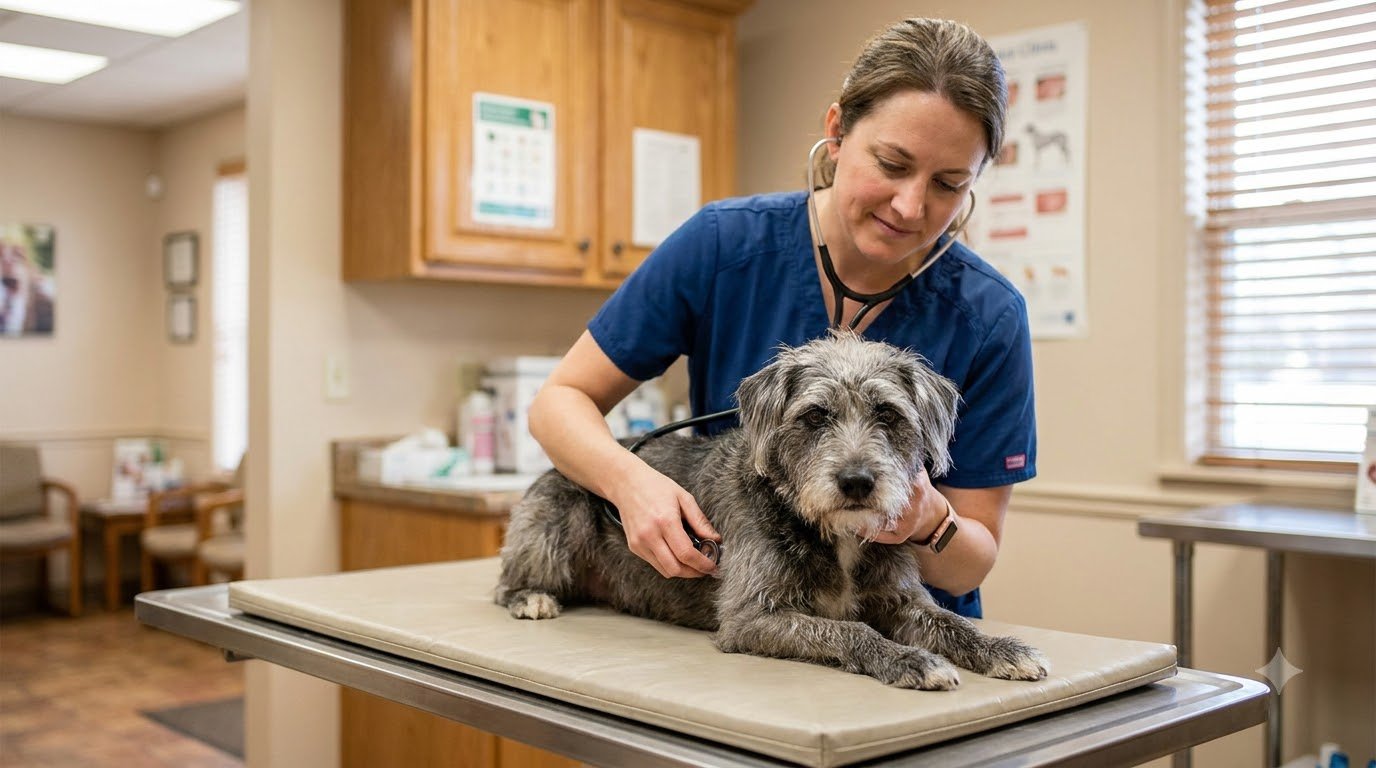
A veterinarian examining a senior dog during a wellness checkup
Twice-yearly wellness visits catch age-related changes earlier than annual checkups alone.
  1. Move to twice-yearly vet visits instead of annual checkups
  2. Ask your vet about senior bloodwork panels
  3. Reassess diet and body condition together
  4. Watch for mobility changes and adjust the home if needed
  5. Keep a simple symptom log between visits
FAQ

Is 7 years old really "senior" for every dog?
No. Size is the biggest factor — small breeds often aren't seniors until 10 or later, while giant breeds can reach senior status by 5 or 6.
Do senior dogs need different vaccines?
Core vaccine schedules don't usually change, but your vet may adjust non-core vaccines based on lifestyle and health status. Discuss it at a senior wellness visit.
Should I switch to senior dog food automatically at a certain age?
Not automatically — base the switch on your dog's individual body condition, activity level, and any diagnosed conditions, not age alone.
What's the biggest mistake owners make with aging dogs?
Assuming slower or less active behavior is "just old age" without ruling out a treatable condition like arthritis or dental pain.
How often should a senior dog see the vet?
Most vets recommend twice-yearly checkups for senior dogs, versus once a year for younger adults, to catch age-related conditions earlier.

Related Articles