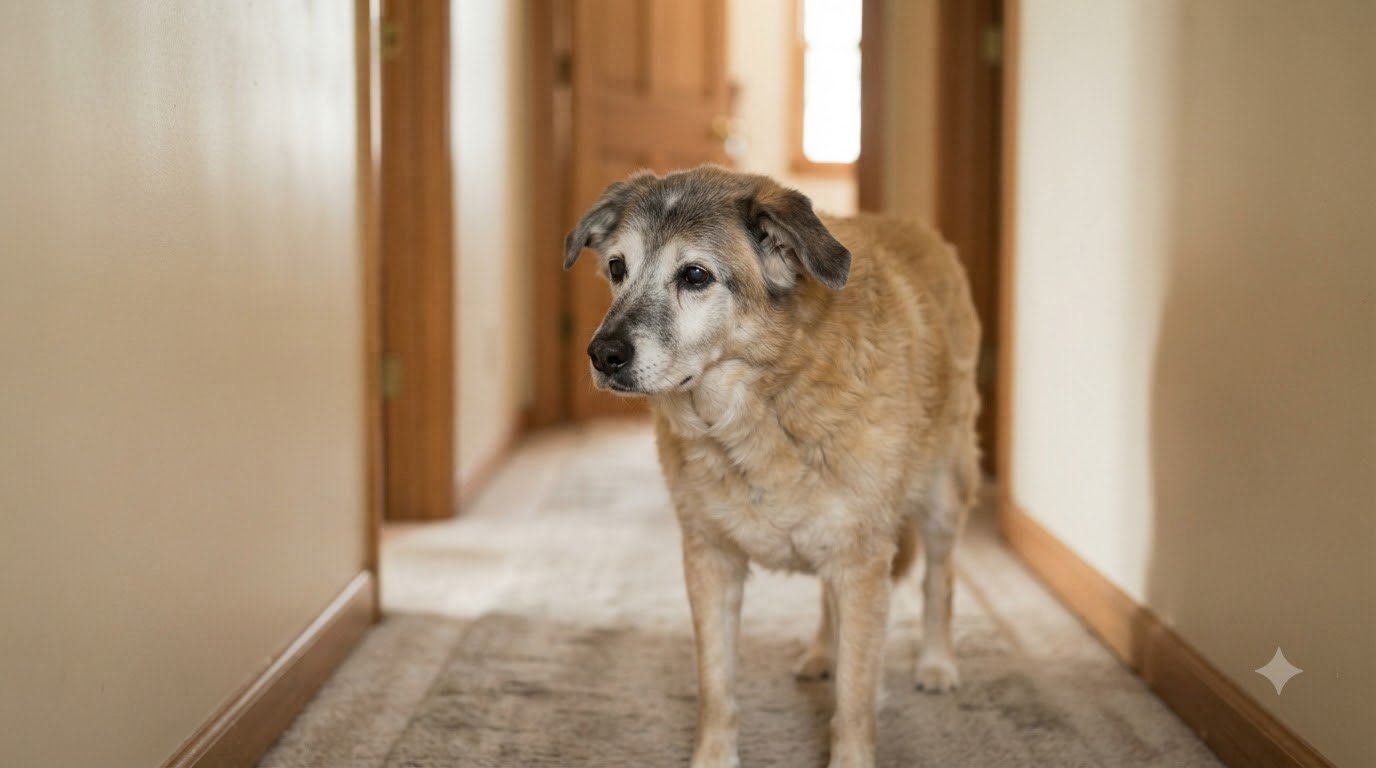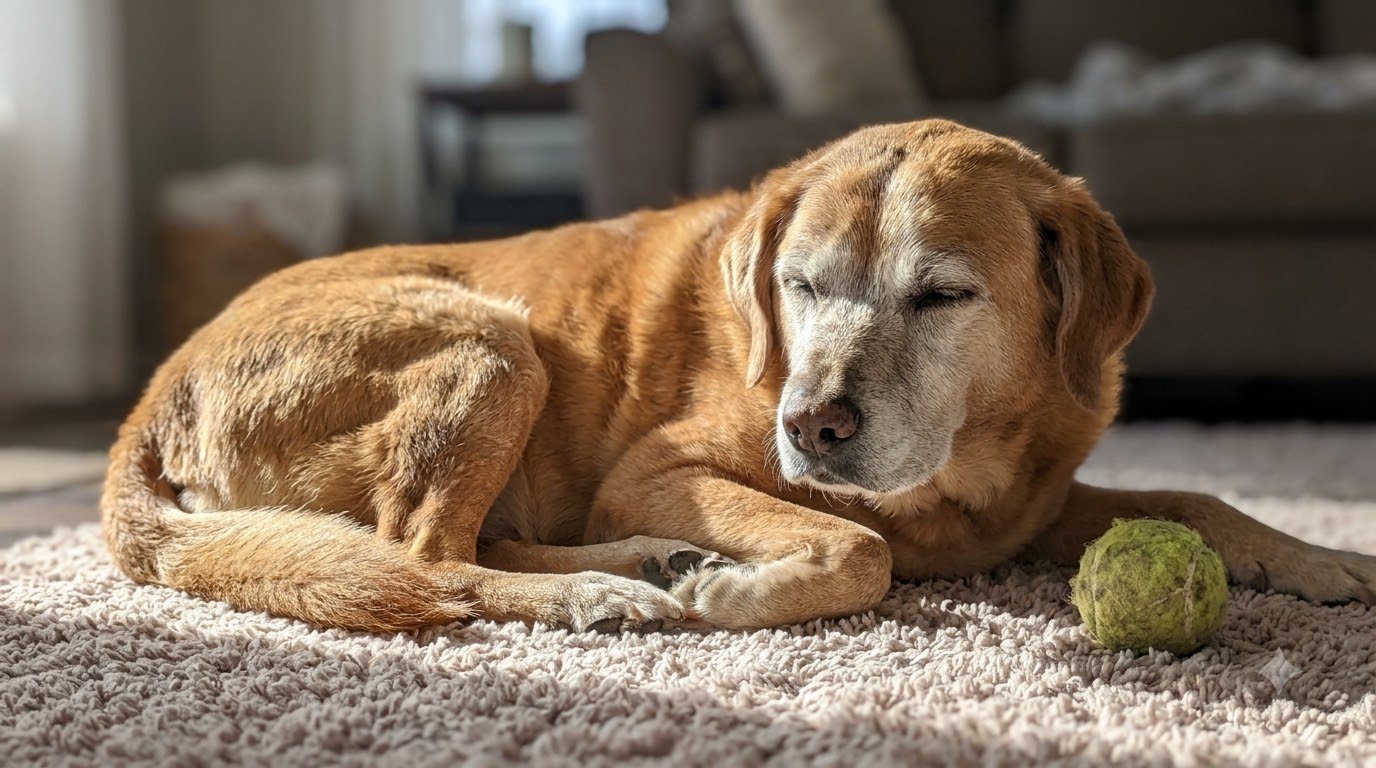
Chihuahuas are among the longest-lived dog breeds, often reaching 14-16 years, and their small size means they aren’t typically considered senior until 10-12 years old — several years later than large and giant breeds. That long runway doesn’t mean aging is trouble-free, though; dental disease and heart conditions are the two areas that need the most consistent attention.
Why Do Small Breeds Like Chihuahuas Age More Slowly?
Across dog breeds, size and lifespan are inversely related — larger dogs age faster and live shorter lives, while small breeds like Chihuahuas age gradually and often live well into their teens. This means the “senior” label applies later, but it doesn’t mean skipping preventive care in the meantime.
What Health Issues Are Chihuahuas Prone to With Age?
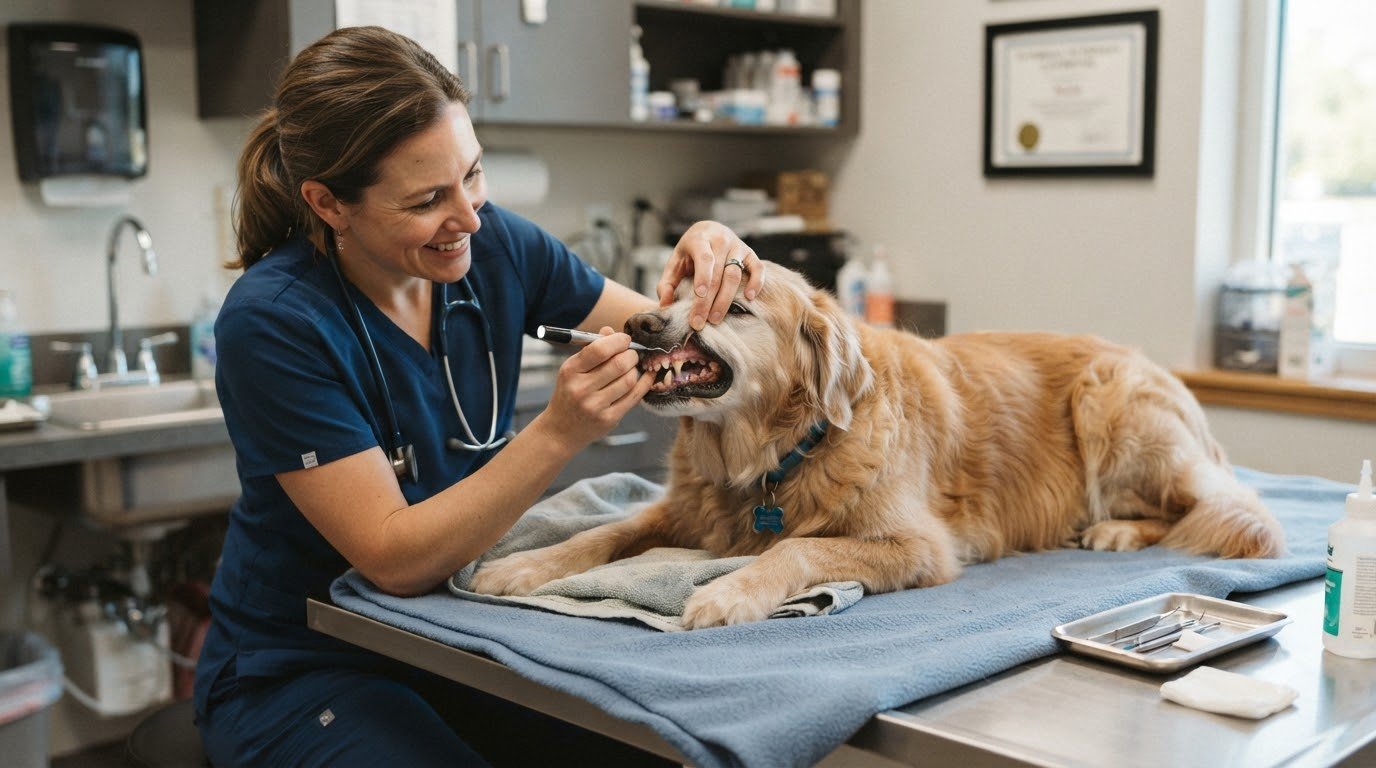
- Dental disease — their small jaws crowd teeth together, making periodontal disease especially common without consistent dental care
- Mitral valve disease — a heart condition relatively common in small breeds, often first detected as a murmur during a routine exam
- Patellar luxation — a kneecap issue some Chihuahuas are prone to, which can worsen with age and extra weight
- Tracheal collapse — more common in small breeds, sometimes noticeable as a “goose honk” cough that gets more frequent with age
How Should Senior Chihuahua Care Differ From a Larger Breed’s?
- Prioritize dental cleanings earlier and more consistently than you might for a larger dog
- Ask your vet to listen closely for heart murmurs at every senior wellness visit
- Use a harness instead of a neck collar to reduce tracheal strain
- Keep portions modest — even small weight gains are proportionally significant on a Chihuahua’s small frame