Pet food recalls happen far more often than most owners realize — usually for contamination or nutrient-imbalance reasons — and because they rarely make major news, the most reliable way to know if your specific bag is affected is to check directly rather than wait to hear about it.
Where Should You Actually Check for Recalls?
- FDA Recalls & Safety Alerts: The FDA maintains an official, searchable page for pet food recalls and safety alerts in the US, which is the most authoritative source
- AVMA Recalls & Alerts: The American Veterinary Medical Association also maintains an updated recall tracking page, often with helpful context
- The manufacturer’s own website: Most major pet food brands post recall notices directly, along with instructions for refunds or replacements
- Your retailer: Many pet supply stores will email registered customers directly if a product they purchased is recalled, which is worth signing up for if available
What Should You Have Ready When Checking?
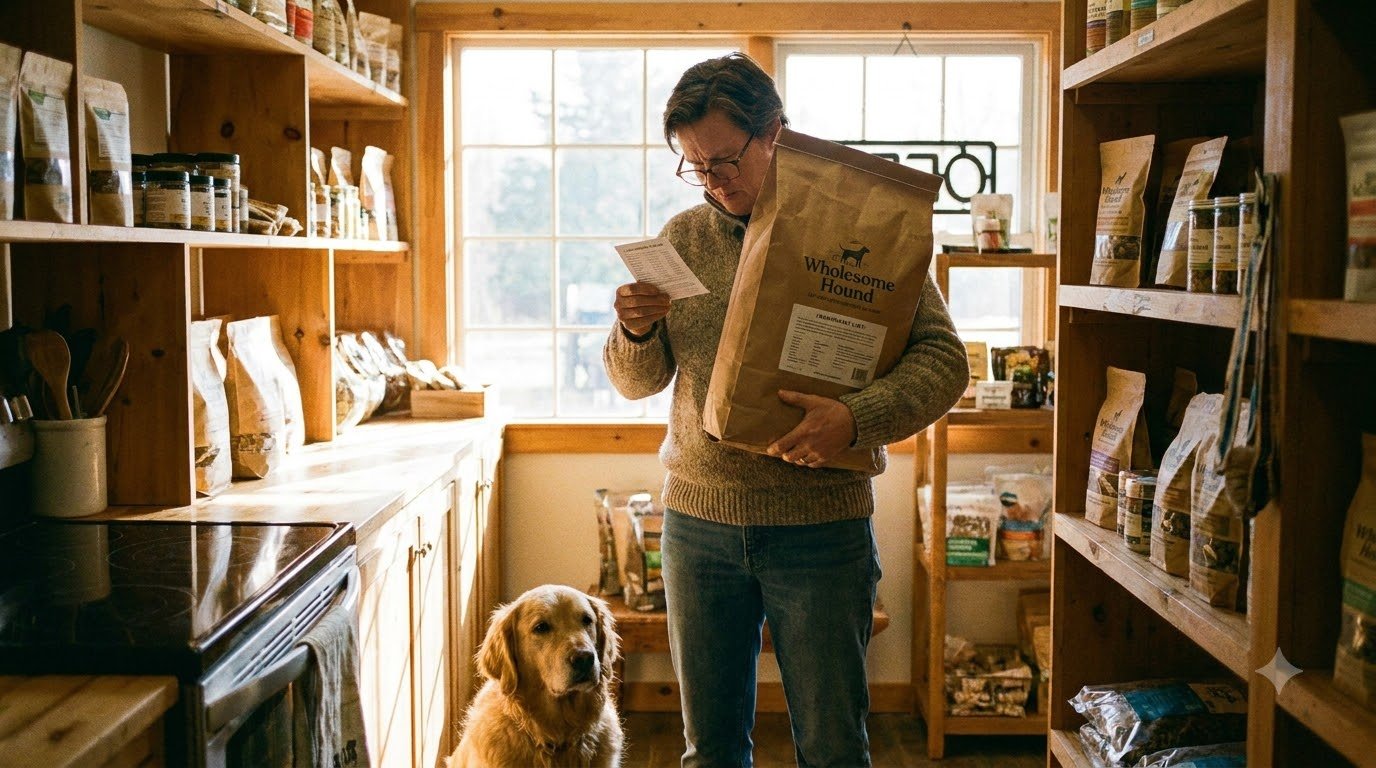
Recalls are almost always specific to a particular product line, lot number, and “best by” date — not an entire brand. Before checking, have your bag or can in hand so you can compare the exact product name, lot number, and date code against the recall notice, since a recall on one specific batch doesn’t necessarily apply to the same product bought at a different time.
What Are the Most Common Reasons for a Pet Food Recall?
- Bacterial contamination, most often Salmonella, particularly in raw and freeze-dried raw products
- Excess vitamin D, from manufacturing errors that over-fortify a formula — a genuine health risk in high enough amounts
- Foreign material contamination, such as metal fragments from processing equipment
- Insufficient thiamine (vitamin B1), especially in some cat foods, since thiamine deficiency can cause serious neurological symptoms
- Mislabeling of ingredients, which matters most for pets with known allergies
What Should You Do If Your Food Is Affected?
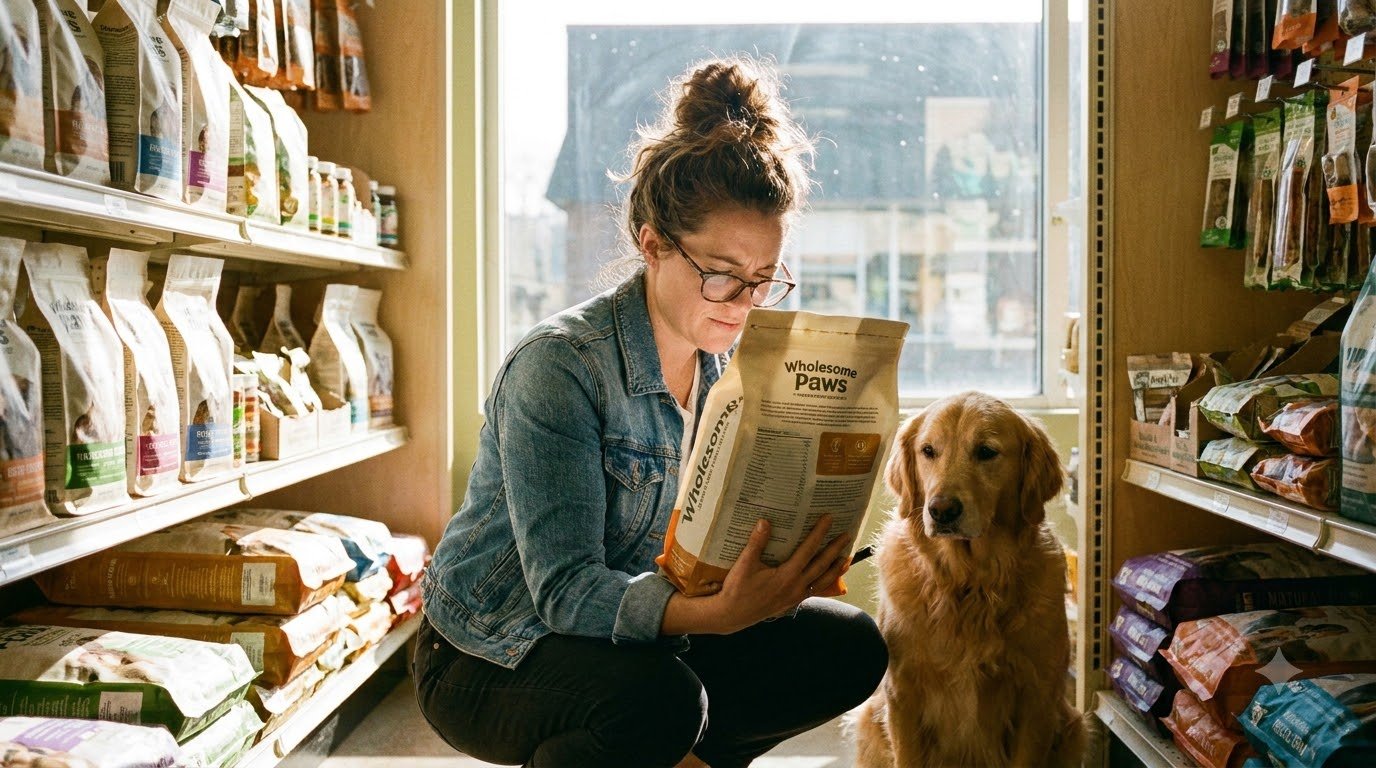
Stop feeding the product immediately, even if your dog seems fine — some recalled ingredients cause harm that isn’t immediately obvious. Contact the manufacturer using the information in the recall notice for a refund or replacement, and if your dog has shown any symptoms of illness, contact your vet and mention the recall specifically, since it can help guide diagnosis and treatment.
How Can You Stay Ahead of Future Recalls?
Signing up for email alerts directly from the FDA’s recall page, or from your specific pet food brand, is the most reliable way to hear about a recall quickly rather than after the fact. It’s also worth periodically checking recall pages even without a specific concern — a five-minute habit that can catch a problem well before it affects your pet.
Sources: FDA Outbreaks and Advisories, AVMA Recalls/Safety Alerts