Good handling technique isn’t just about avoiding bites and scratches — it directly affects how much a small pet trusts you, and rushed or incorrect handling can set back bonding significantly.
What General Principles Apply to All Three?
- Let the animal see, smell, and approach you before you reach in to pick it up
- Move slowly and speak quietly — sudden movements and loud noise are genuinely stressful for prey animals
- Support the animal’s full body weight properly; never pick any of these species up by a limb, ear, or loose skin alone
- Keep initial handling sessions short, gradually increasing duration as trust builds
- Supervise children closely during handling, for the animal’s safety and the child’s
How Do You Handle a Guinea Pig?
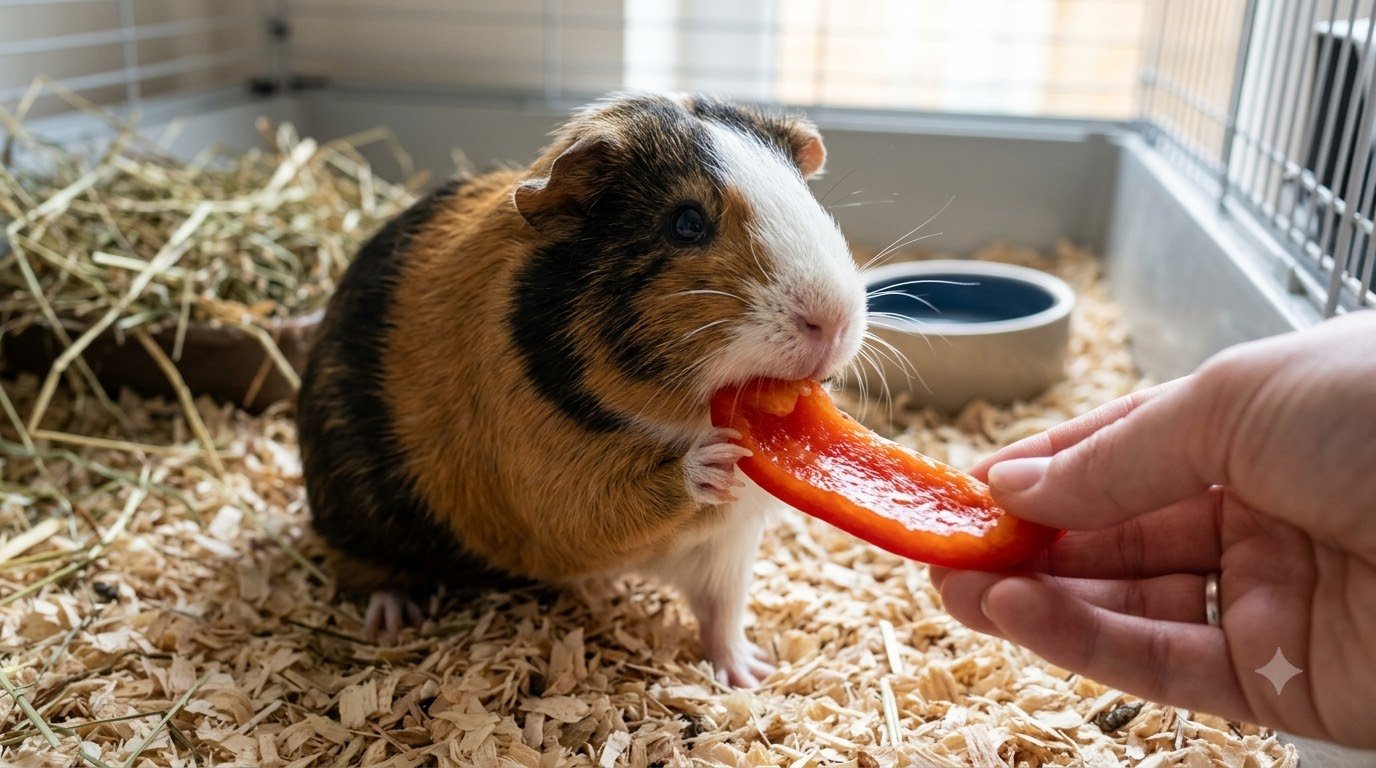
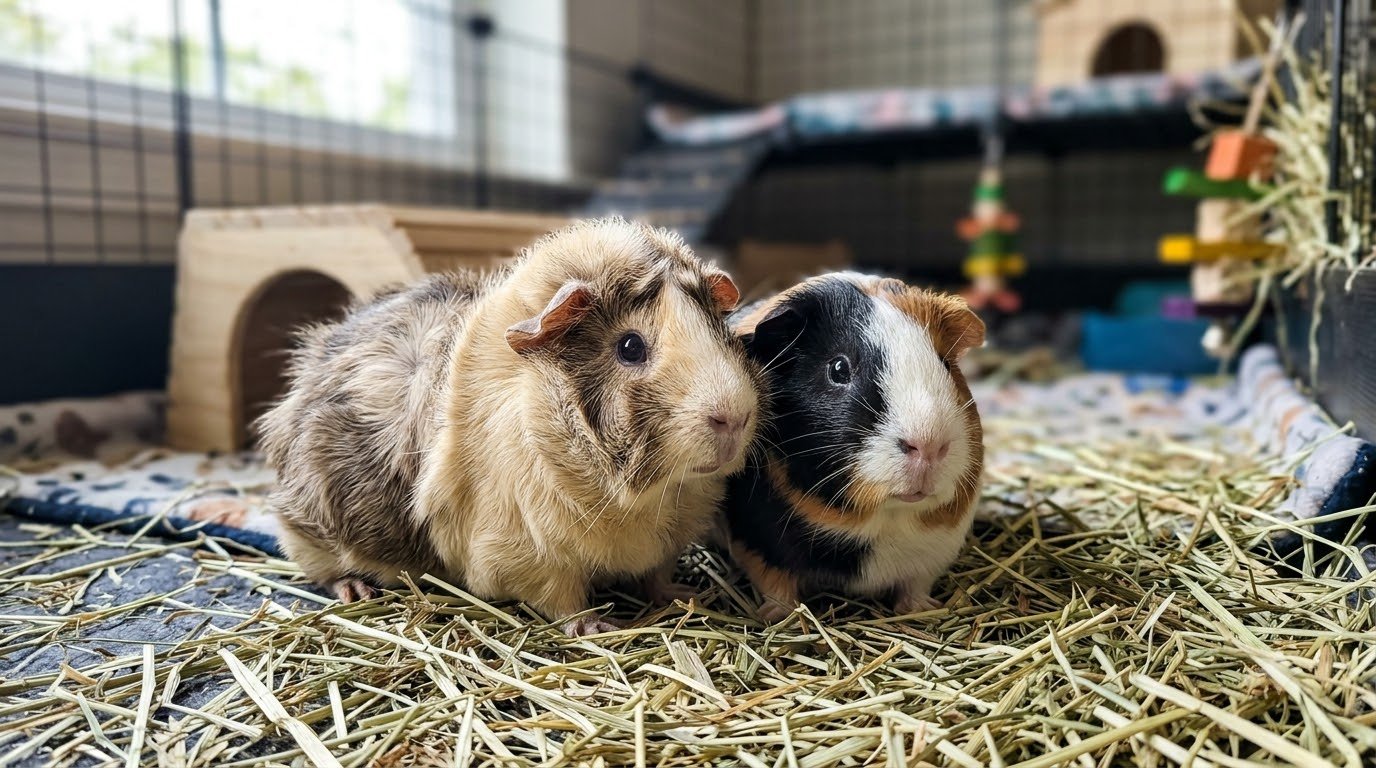
Guinea pigs are generally the most tolerant of gentle handling among the three. Scoop from underneath with one hand supporting the hindquarters, and hold close to your body for security. They often vocalize (a distinctive “wheek”) when excited, particularly at feeding time — this is normal social communication, not distress.
How Do You Handle a Hamster?
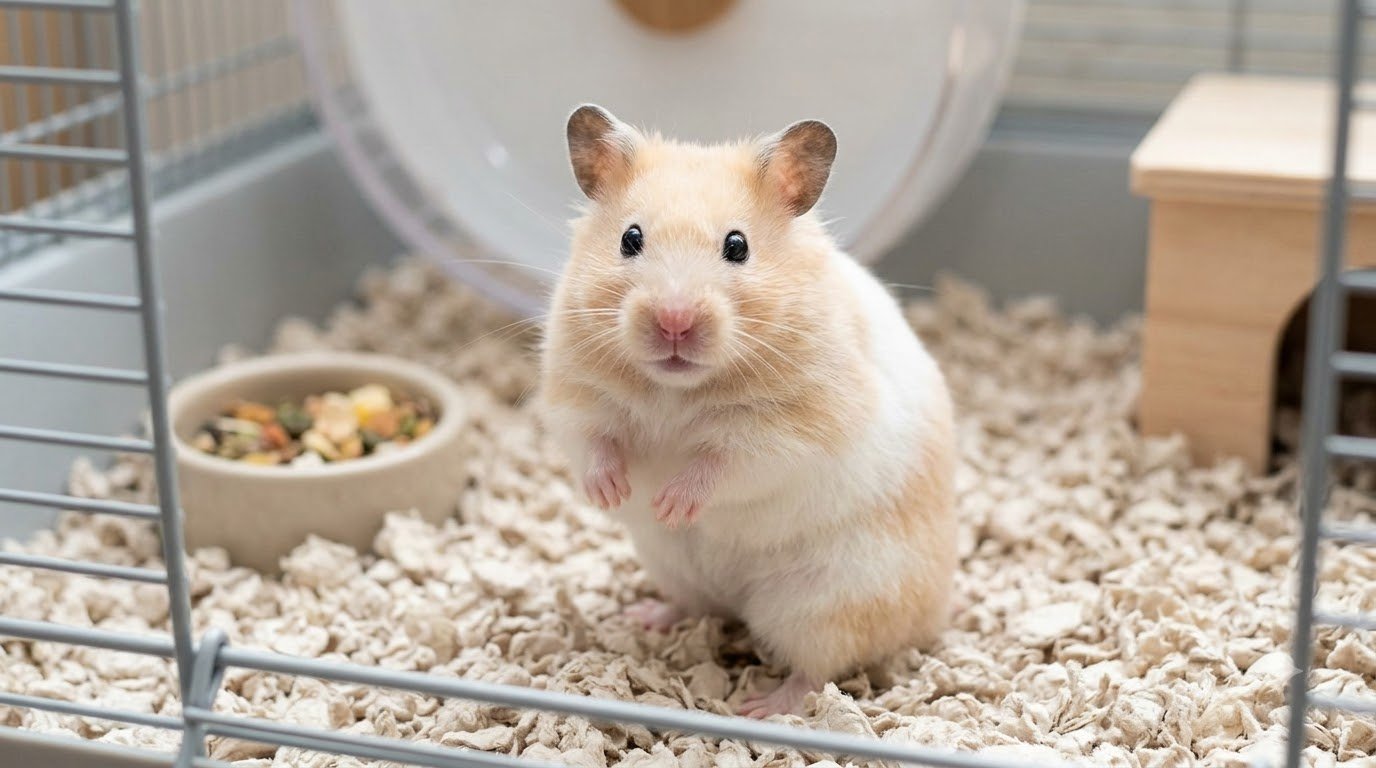
Hamsters have relatively poor eyesight and startle easily, especially if woken during the day since they’re naturally most active at dusk and night. Let a hamster wake and approach your hand voluntarily rather than scooping it up while sleeping. Cup both hands gently rather than gripping.
How Do You Handle a Rabbit?
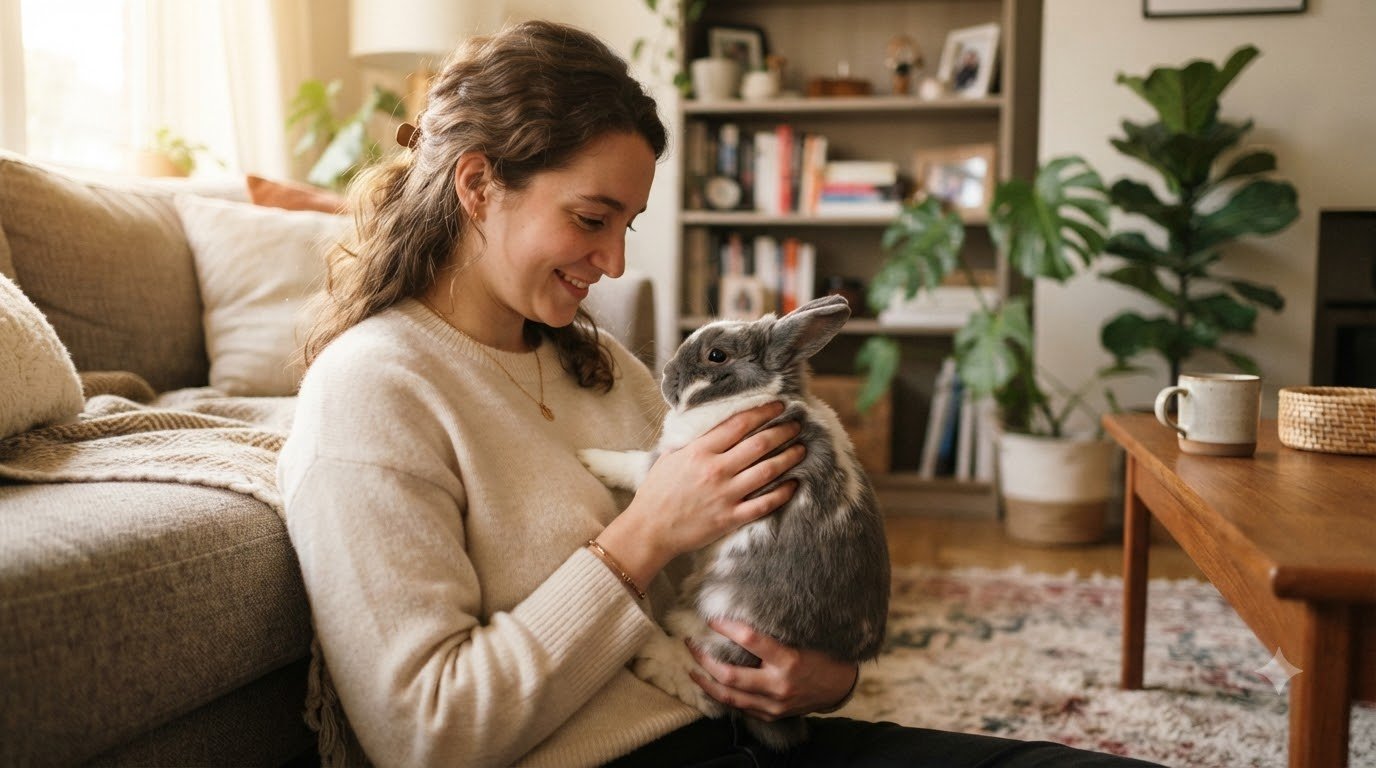
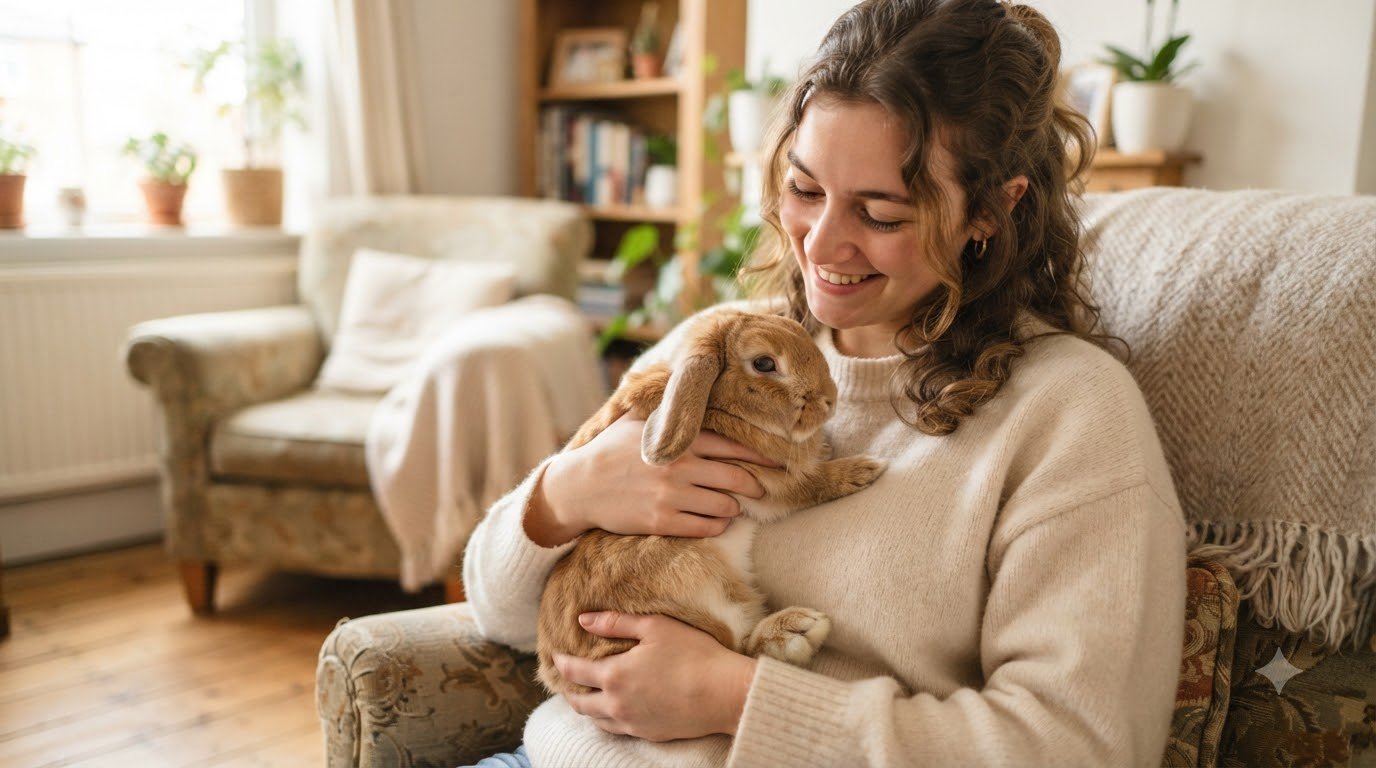
Rabbits require the most careful handling of the three. Always support the hindquarters fully — a rabbit that kicks out while inadequately supported can injure its own spine, a genuinely serious risk specific to this species’ anatomy. Many rabbits actually prefer staying on the ground with you nearby rather than being picked up and held, and respecting that preference builds trust faster than forcing physical contact.
How Do You Build Trust Over Time?
Bonding with any of these species takes patience — typically several weeks of consistent, low-pressure interaction before an animal is fully comfortable with handling. Starting with quiet presence near the cage, then hand-feeding treats, before progressing to actual handling tends to produce a more trusting, less stressed pet than rushing straight to physical contact.