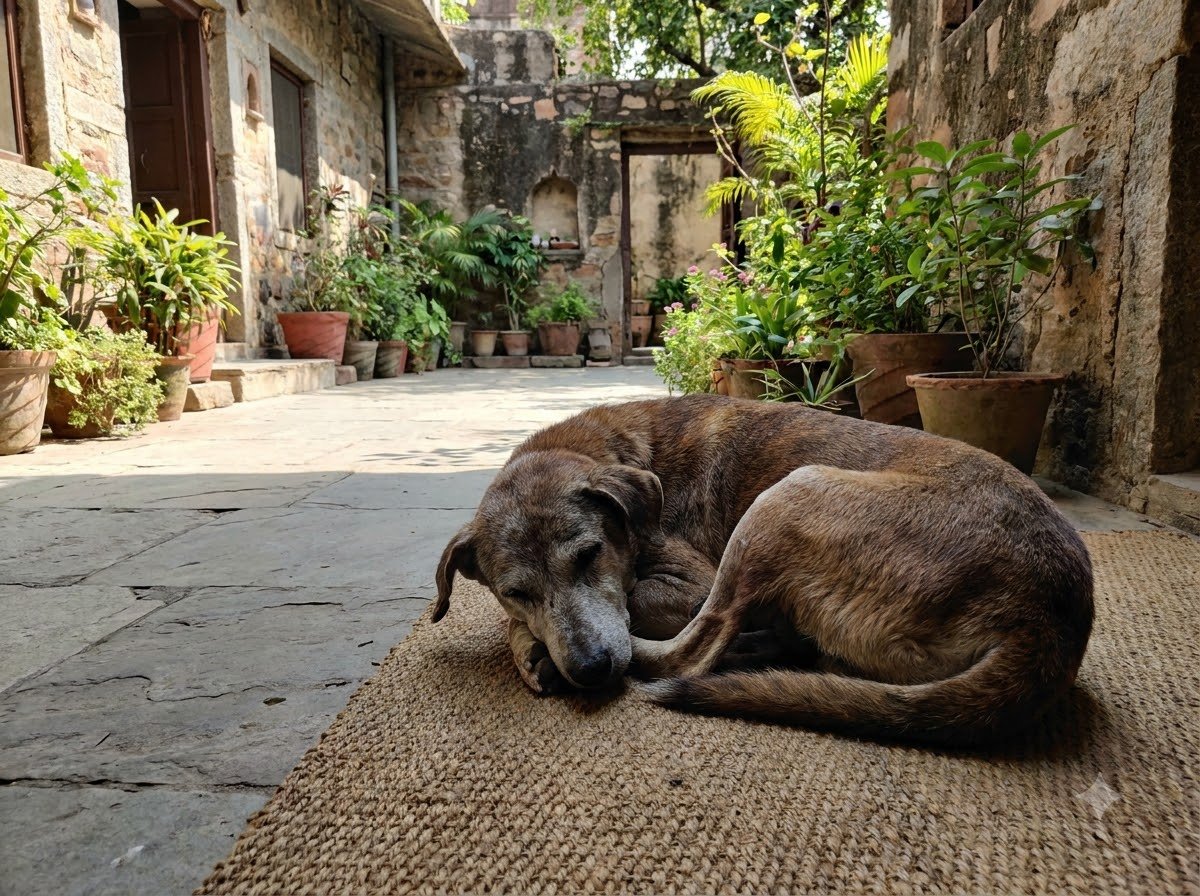
Indian Pariah Dogs — also called Desi dogs — are a naturally-evolved landrace breed, not the product of selective pedigree breeding, and that history generally means fewer of the inherited structural problems (like hip dysplasia) that affect many purebred lines. That doesn’t mean aging is a non-issue; it means the specific things to watch for look a little different than the breed-specific checklists common for pedigree dogs.
Why Do Desi Dogs Tend to Have Fewer Breed-Specific Health Issues?
Unlike breeds shaped by generations of selective breeding for appearance or working traits, Indian Pariah Dogs evolved largely through natural selection, favoring traits that support general hardiness and survival rather than exaggerated physical features. This tends to translate into fewer of the structural joint and breathing issues common in many pedigree breeds, though general age-related conditions — arthritis, dental disease, organ function decline — still apply.
What Should Owners Watch for as a Desi Dog Ages?
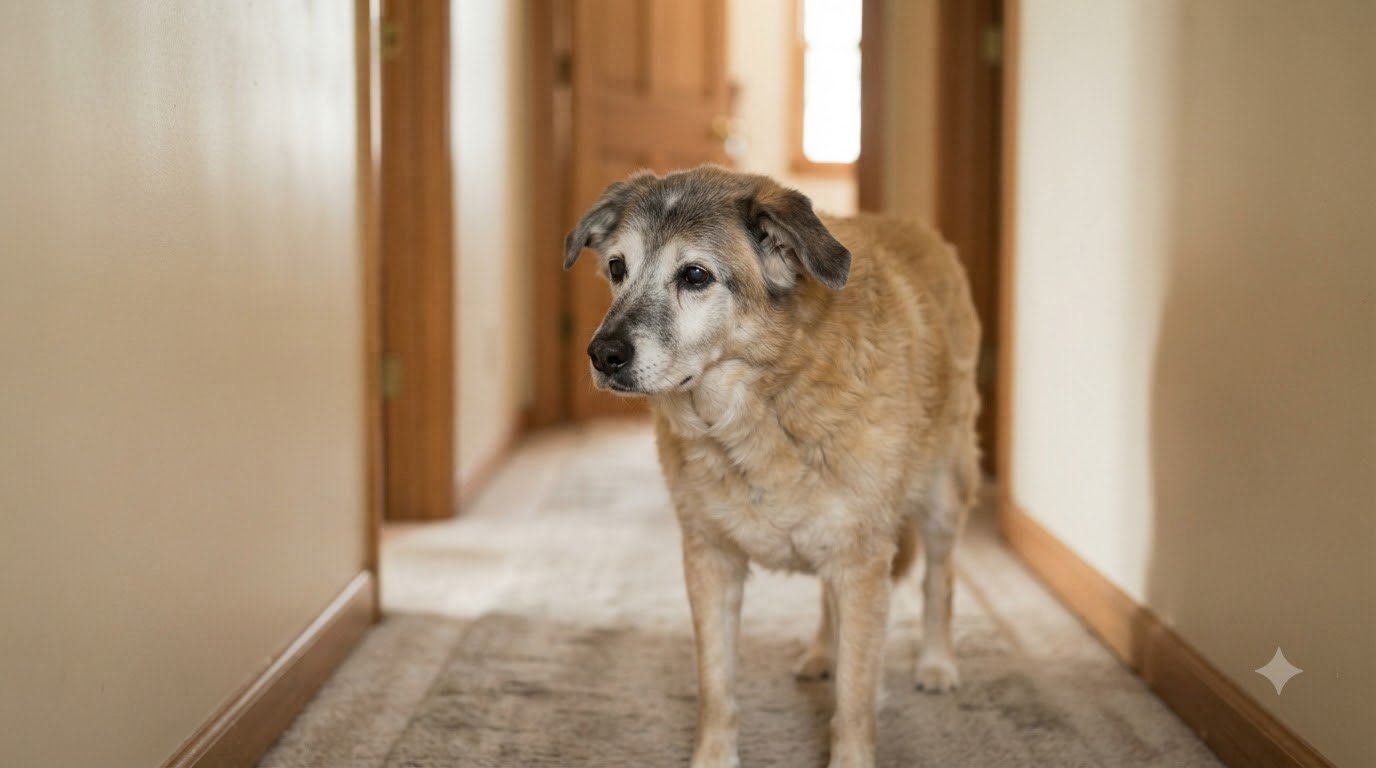
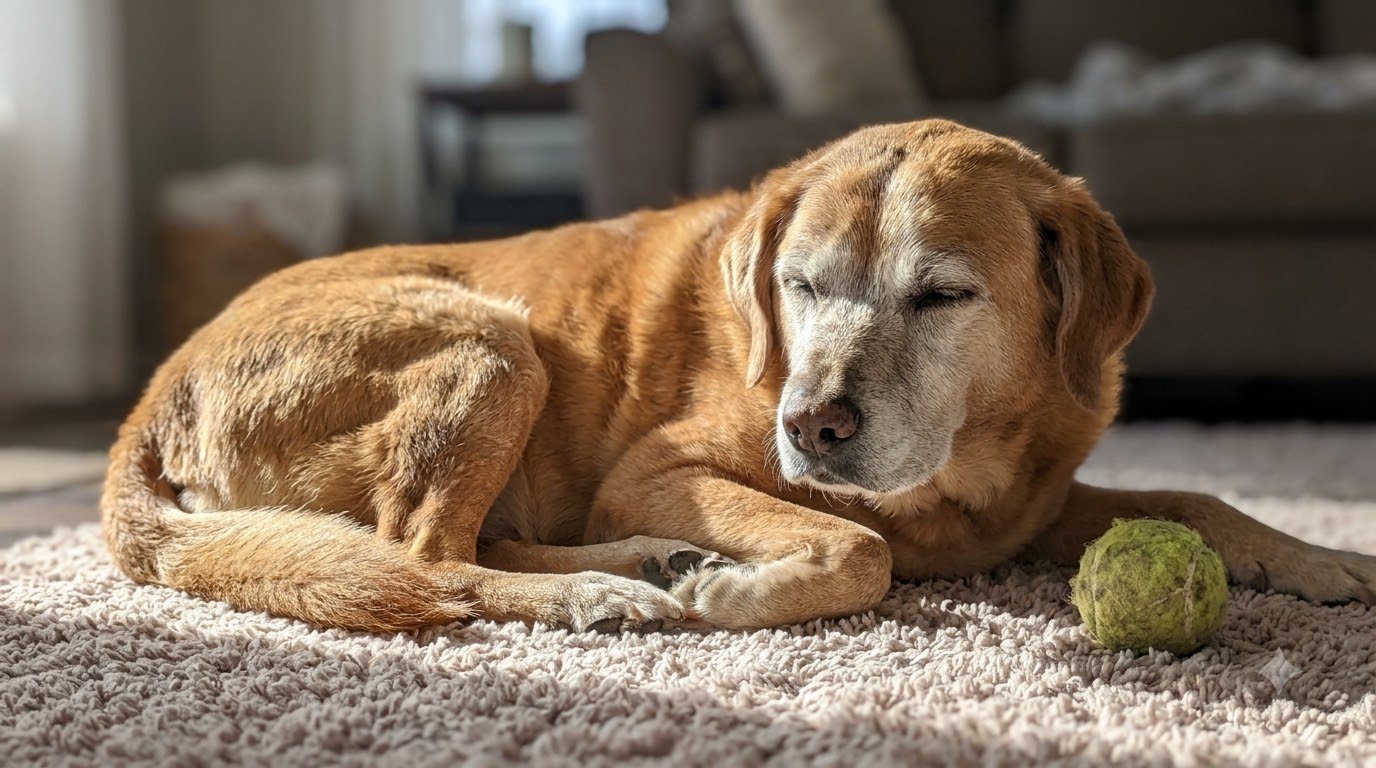
- General mobility changes — stiffness, slower rising, less interest in play — are still the most reliable early signs of aging, even without a specific breed predisposition
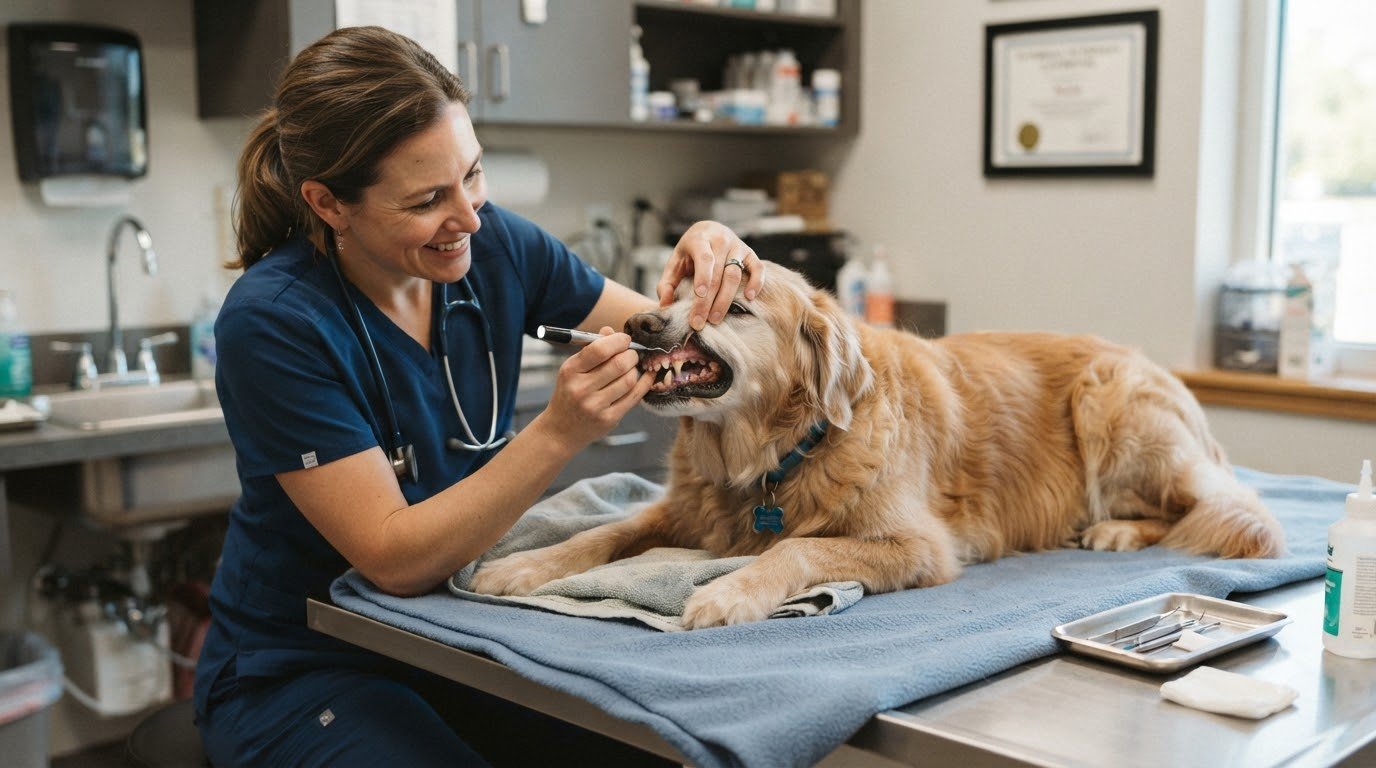
- Dental health, which varies widely depending on diet history, especially for previously street-rescued dogs
- Coat and skin condition, which can reflect nutritional gaps more visibly in dogs with an inconsistent early diet history
- Weight — Desi dogs are naturally lean, so any noticeable gain is worth investigating rather than assuming it’s normal aging fill-out
How Should Care Differ for a Rescued Adult Desi Dog With an Unknown Age?
- Ask your vet to estimate age from dental wear and joint condition at the first visit, as a baseline for future comparison
- Start preventive care (vaccines, parasite prevention) immediately regardless of estimated age, since street-rescued dogs often have gaps in prior care
- Monitor more closely than usual in the first year, since an unknown history means fewer assumptions can be made about what’s “normal” for that individual dog
- Build a simple health record from the point of adoption forward, since it may be the only reliable timeline available