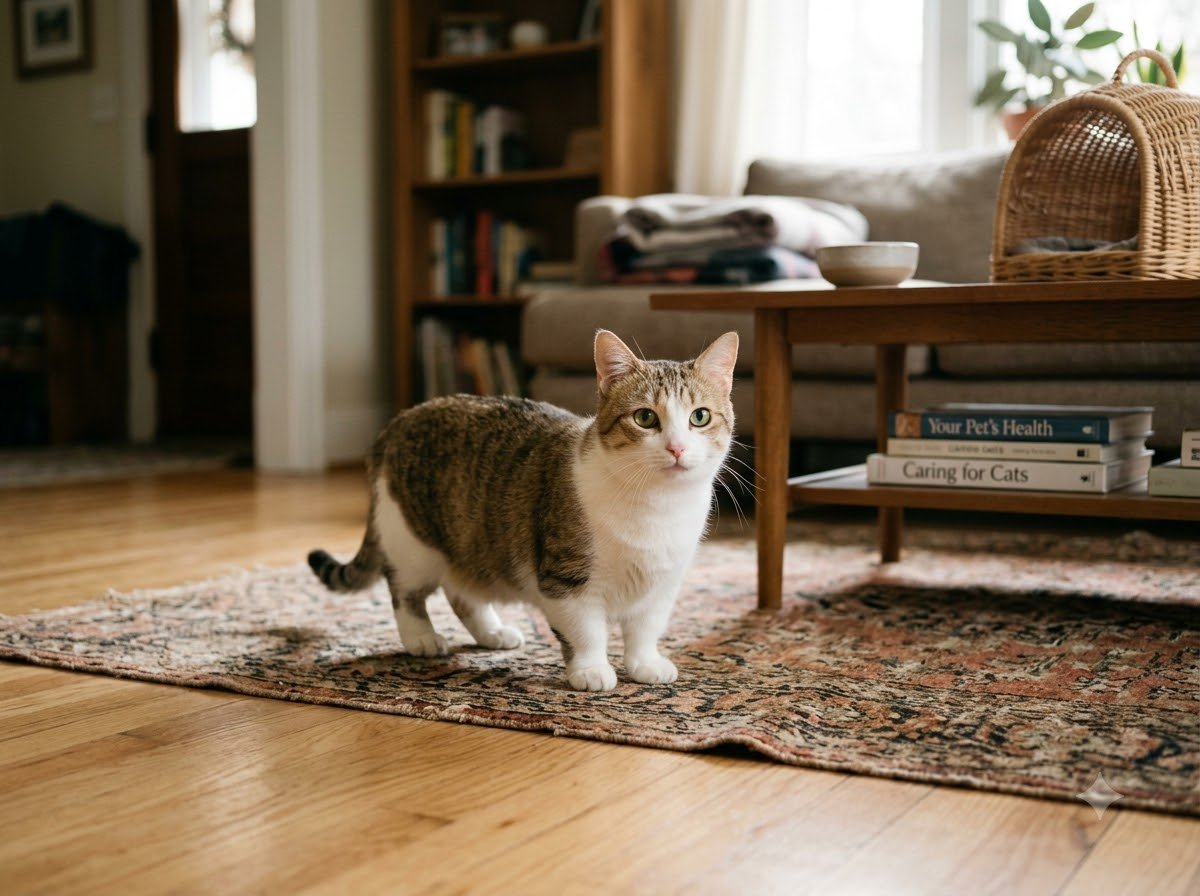
Munchkin cats carry a distinctive short-legged trait caused by a specific genetic mutation, and while the breed doesn’t have the extensive list of documented health conditions some other breeds carry, the joint and spine implications of that short-legged body shape are still a developing area of veterinary understanding worth factoring into cost planning.

What Do We Actually Know About Munchkin Joint Health?
The genetic mutation responsible for a Munchkin’s short legs is similar in principle to the trait behind short-legged dog breeds like Dachshunds and Corgis. Research specific to cats is more limited, but some vets recommend closer monitoring of spinal and joint health as a precaution, given the parallel with better-studied short-legged dog breeds.
How Should This Shape Vet Cost Expectations?
- Standard preventive care costs apply as with any cat breed — vaccines, dental care, routine wellness visits
- Budget for the possibility of joint or spine imaging if any mobility changes appear, since this breed’s body shape warrants more proactive investigation than a standard-legged cat
- Watch for the same red flags relevant to short-legged dog breeds — reluctance to jump, stiffness, changes in gait — and don’t dismiss them as simply part of the breed’s normal look
How Should Owners Plan Financially for a Munchkin Cat?
- Ask your vet directly about joint and spine monitoring recommendations specific to this breed at wellness visits
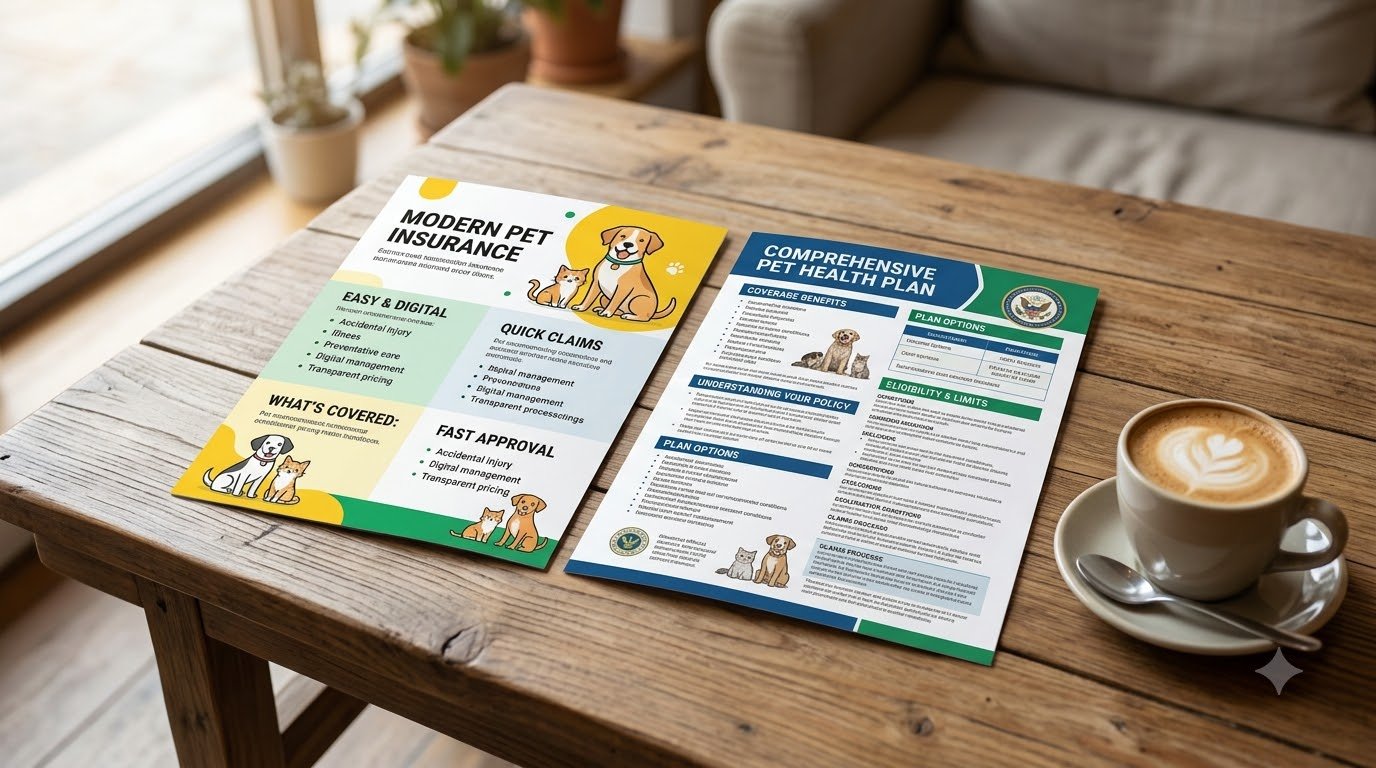
- Read pet insurance policy terms closely for any joint or spine-related breed exclusions before enrolling
- Budget modestly above a standard cat’s routine costs to account for potential joint-related diagnostics down the line
- Don’t assume the breed’s unique look is purely cosmetic — treat mobility changes with the same seriousness you would in any cat