No matches found. Try a different search term.
HomeCat BreedsMunchkin
CAT BREED PROFILE

Munchkin

— Playful. Sociable. Distinctive.

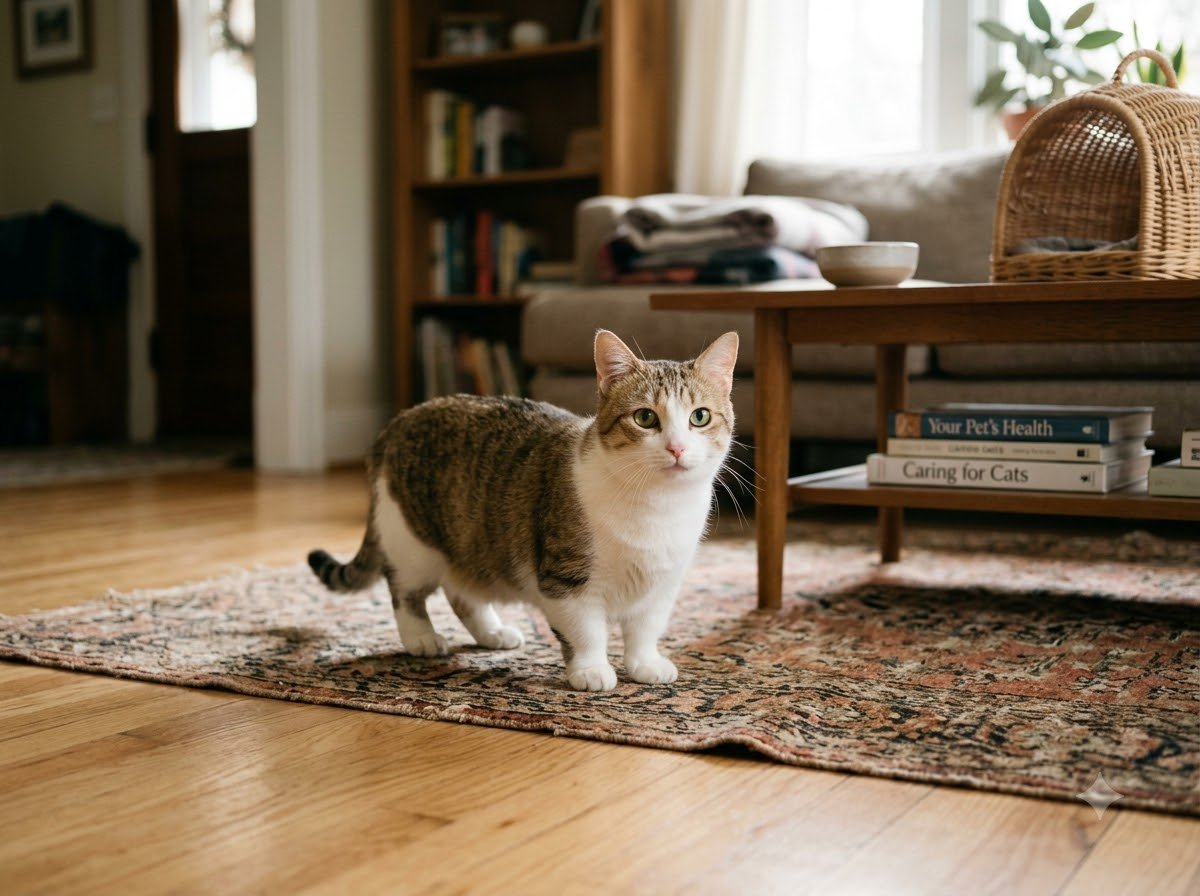
Known for its distinctively short legs caused by a natural genetic mutation, the Munchkin cat is a playful, sociable breed whose unusual build doesn't slow it down much at all. Despite their short stature, Munchkins are active, agile cats with a cheerful, outgoing personality — though their unique proportions come with joint health considerations owners should understand.

United StatesOrigin
Shorthair/LonghairBreed Group
12 - 15 YearsLife Expectancy

QUICK OVERVIEW

Families and multi-pet households
Owners informed about joint health
Owners wanting a playful, sociable cat
Owners wanting a highly athletic climber

About the Munchkin

Known for its distinctively short legs caused by a natural genetic mutation, the Munchkin cat is a playful, sociable breed whose unusual build doesn't slow it down much at all. Despite their short stature, Munchkins are active, agile cats with a cheerful, outgoing personality — though their unique proportions come with joint health considerations owners should understand.

Last updated: August 12, 2026
Read Full History
Key Facts

Short legs caused by a natural genetic mutation affecting bone growth
Despite short legs, remains active and agile, often described as surprisingly fast
Known for a cheerful, outgoing, and sociable temperament
Nicknamed for a tendency to sit upright like a small kangaroo when curious

Is Munchkin Right for You?

Families and multi-pet households
Owners informed about joint health
Owners wanting a playful, sociable cat
Owners wanting a highly athletic climber
Explore More Breeds →

Photo Gallery

View All Breeds →

The Munchkin has a short or long, depending on lineage coat in wide variety, no restricted breed standard color, with moderate shedding year-round.

Personality

PlayfulEnjoys interactive play and retains a kitten-like energy well into adulthood.
SociableGenerally friendly with people and other pets, adapting well to busy households.
CuriousInvestigates their environment actively, despite their shorter stature not slowing their exploration.
AffectionateForms close bonds with family, often seeking attention and companionship.

Care & Needs

Joint MonitoringTheir short-legged build can place extra strain on the spine and joints, making regular vet monitoring for discomfort important.
Weight ManagementExcess weight adds significant strain on their shorter limbs and spine, making portion control especially important.
Furniture AccessProviding ramps or steps to furniture can help reduce jumping strain given their proportionally shorter legs.
GroomingCoat care depends on length (short or long lineage), generally requiring weekly brushing.

Did You Know?

The Munchkin's short-leg mutation is the same general type of genetic change responsible for short-legged dog breeds like Corgis and Dachshunds, though it arose independently in cats.

Munchkins have been serving humans in many important roles including: Show Cats and Companion Cats .

Health & Common Issues

Lordosis and Pectus ExcavatumSpinal and chest conditions documented at somewhat higher rates in the breed, related to the same genetic mutation responsible for their short legs.
OsteoarthritisTheir unique body proportions can place additional strain on joints over time, making weight management and joint support relevant considerations.
Intervertebral Disc DiseaseSome elevated risk of spinal disc issues, similar to concerns seen in short-legged dog breeds like Dachshunds.

Training & Exercise

  • Provide furniture ramps or steps to reduce jumping strain, given their proportionally shorter legs.
  • Monitor weight closely, since excess weight significantly compounds joint and spine strain in this breed.
  • Offer interactive play at ground level, which suits their build better than very high climbing structures.
  • Choose breeders who screen against pairing two Munchkin parents, which can increase the severity of skeletal issues in kittens.

History & Origin

1940s Short-legged cats were documented in Europe, though breeding programs were interrupted by World War II.
1983 A short-legged stray cat found in Louisiana became the foundation of the modern American Munchkin breeding program.
1991 Presented to the public at a cat show in New York, sparking significant debate about the ethics of breeding for the trait.
2003 Achieved championship status with The International Cat Association (TICA), though the breed remains unrecognized by some other registries due to health considerations.

Frequently Asked Questions

Can Munchkin cats jump and climb normally?
They can jump and climb reasonably well despite their short legs, though generally not to the same heights as average-legged cats — most Munchkins compensate with speed and agility rather than vertical reach.
Are Munchkin cats prone to health problems?
Yes, most notably spinal and joint conditions related to the same genetic mutation responsible for their short legs — weight management and avoiding excessive jumping strain are important preventive measures.
Is it ethical to breed Munchkin cats?
This remains a genuinely debated topic among veterinarians and breed registries, similar to discussions around other breeds selected for distinctive skeletal traits — responsible breeding practices and health screening matter significantly for minimizing associated health risks.

Related Guides for Munchkin Owners

You Might Also Like

Love Munchkins?
Get expert tips, care guides & stories straight to your inbox.
No spam Unsubscribe anytime 100% Free