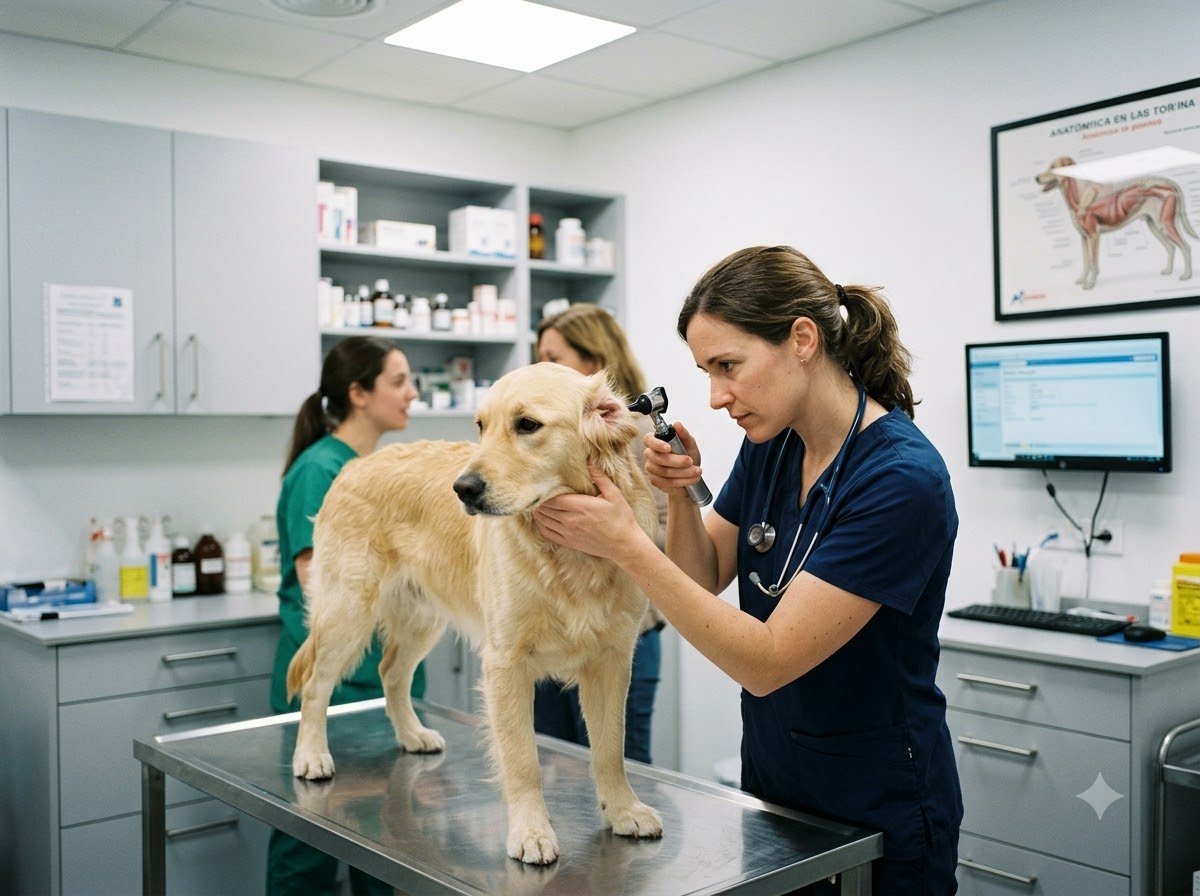
Newfoundlands bring the same giant-breed cost scaling as other large dogs, layered with a specific set of breed-associated health risks — joint disease, a notable heart condition, and bloat — that make comprehensive budgeting and early insurance enrollment particularly worthwhile for this breed.

Why Does Size Drive Up Newfoundland Vet Costs?
As with other giant breeds, medication dosing, anesthesia, imaging, and surgical costs all scale with body weight, meaning routine and emergency care both tend to cost more for a Newfoundland than for a small or medium dog. This is compounded by the breed’s specific health predispositions rather than being the sole cost driver.
What Breed-Specific Conditions Should Owners Budget For?
- Hip and elbow dysplasia — common across giant breeds, often requiring long-term joint management or surgery
- Subvalvular aortic stenosis — a heart condition with a notably elevated rate in Newfoundlands, worth screening for early
- Bloat (GDV) — a lifelong emergency risk for this deep-chested breed
- Skin issues under the thick double coat — hot spots and skin infections can develop unnoticed under a heavy coat without regular checks
How Should Owners Financially Prepare for a Newfoundland’s Care?
- Ask your vet about cardiac screening for subvalvular aortic stenosis as part of routine wellness visits
- Build an emergency fund sized for giant-breed costs, particularly given the bloat risk
- Enroll in pet insurance early, before joint or heart conditions have a chance to be flagged as pre-existing
- Budget time (and occasionally vet visits) for coat maintenance, since skin issues can otherwise go unnoticed under a Newfoundland’s dense coat