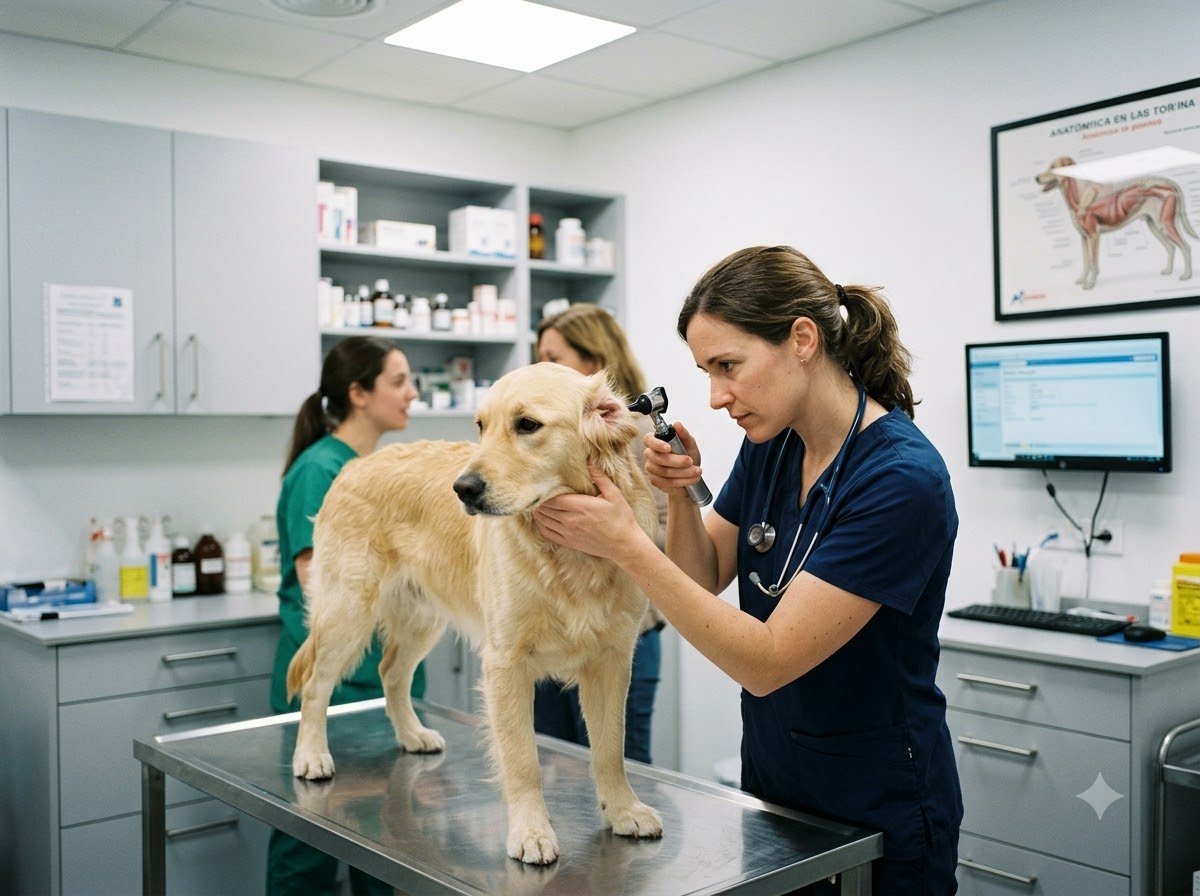
Weimaraners combine two cost-driving factors: a deep chest that carries a real, lifelong bloat risk, and a high-energy sporting temperament that makes activity-related injuries more common than in a lower-drive breed. Both are worth factoring into insurance decisions and cost planning specifically for this breed.

Why Does Bloat Risk Matter So Much for Weimaraner Owners?
Bloat (gastric dilatation-volvulus) is a sudden, life-threatening twisting of the stomach that requires immediate emergency surgery, and deep-chested breeds like Weimaraners carry an elevated lifelong risk. It’s also one of the more expensive acute emergencies in veterinary medicine, making insurance coverage — or a dedicated emergency fund — particularly valuable for this breed.
How Does This Breed’s Activity Level Affect Vet Costs?
Weimaraners were bred as high-drive hunting and sporting dogs, and that same energy translates into a higher-than-average rate of activity-related injuries — sprains, cuts, and occasionally more serious ligament injuries from vigorous exercise. Owners of highly active Weimaraners often see more incident-based vet visits than owners of lower-energy breeds.
How Should Owners Plan Financially for a Weimaraner?
- Discuss prophylactic gastropexy with your vet, often performed alongside spay/neuter, as a preventive step against this breed’s elevated bloat risk
- Enroll in pet insurance early, ideally before any activity-related injury has occurred and could be flagged as pre-existing
- Build a dedicated emergency fund sized for the possibility of a sudden bloat emergency, given how quickly it can become life-threatening
- Budget realistically for a somewhat higher rate of incident-based vet visits, given this breed’s high activity level