No matches found. Try a different search term.
HomeDog BreedsWeimaraner
DOG BREED PROFILE

Weimaraner

— Athletic. Loyal. High-Energy.

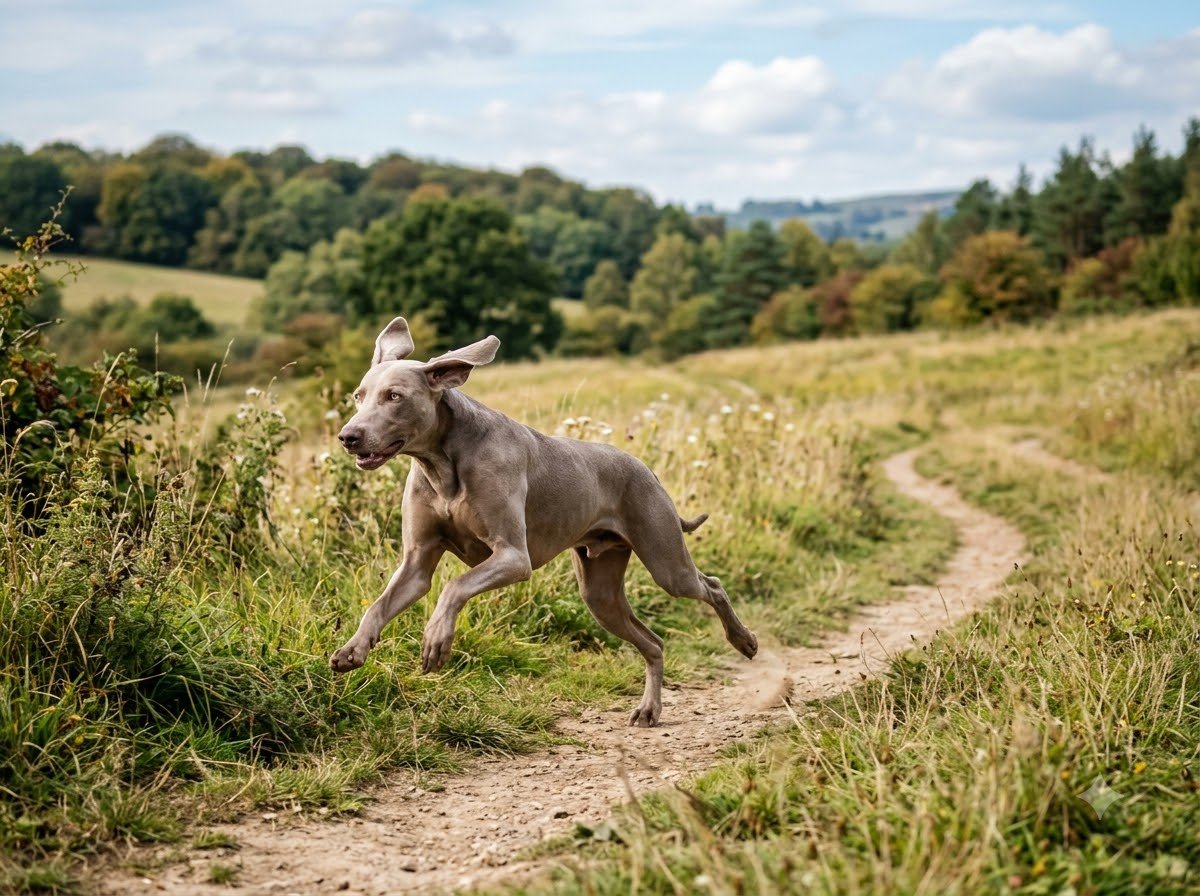
Developed by German nobility to hunt large game like deer and boar, the Weimaraner is instantly recognizable by its sleek silver-gray coat and striking pale eyes. Athletic, intelligent, and famously devoted to their people, Weimaraners need serious daily exercise and struggle badly with being left alone, a trait rooted in their close working relationship with hunters.

GermanyOrigin
Sporting GroupBreed Group
10 - 13 YearsLife Expectancy

QUICK OVERVIEW

Highly active owners
Households with someone home often
Homes with space to run
Owners who travel or work long hours away

About the Weimaraner

Developed by German nobility to hunt large game like deer and boar, the Weimaraner is instantly recognizable by its sleek silver-gray coat and striking pale eyes. Athletic, intelligent, and famously devoted to their people, Weimaraners need serious daily exercise and struggle badly with being left alone, a trait rooted in their close working relationship with hunters.

Last updated: August 12, 2026
Read Full History
Key Facts

Originally bred exclusively for German nobility to hunt large game
Known for a distinctive silver-gray coat and striking pale blue or amber eyes
One of the most athletic sporting breeds, needing serious daily exercise
Forms intensely close bonds with their family, often called "velcro dogs"

Is Weimaraner Right for You?

Highly active owners
Households with someone home often
Homes with space to run
Owners who travel or work long hours away
Explore More Breeds →

Photo Gallery

View All Breeds →

The Weimaraner has a short, sleek, single coat coat in silver-gray, mouse-gray, blue-gray, with moderate shedding year-round.

Personality

AthleticBred to keep pace with hunters over long distances, Weimaraners are genuinely high-endurance dogs.
LoyalForms extremely close bonds with their family, often following their person from room to room.
IntelligentQuick to learn but can be independent-minded, benefiting from consistent, engaging training.
Sensitive to SeparationProne to significant anxiety when left alone for long periods, a trait linked to their close working history with handlers.

Care & Needs

Exercise60-90 minutes of vigorous daily activity — this is one of the more demanding sporting breeds in terms of exercise needs.
CompanionshipDoes poorly when left alone for extended periods; not well suited to households where the dog would be isolated most of the day.
Mental StimulationNeeds training, puzzle toys, or structured activity alongside physical exercise to prevent boredom-driven behavior.
GroomingLow-maintenance short coat needs only weekly brushing.

Did You Know?

Weimaraners were once so exclusively controlled by German breeding clubs that early American owners had to sign agreements committing to strict breeding oversight before being allowed to own one.

Weimaraners have been serving humans in many important roles including: Big-Game Hunters , Bird Dogs and Family Companions .

Health & Common Issues

Bloat (GDV)Deep-chested breeds like the Weimaraner face elevated risk of this life-threatening emergency, managed partly through smaller, frequent meals.
Hip DysplasiaA joint condition seen in the breed; screening breeding stock and weight management help manage lifetime risk.
Separation AnxietyNot a physical health issue but a well-documented behavioral tendency in the breed, sometimes requiring structured training or veterinary behavioral support.

Training & Exercise

  • Provide genuine mental and physical challenges — this breed's intelligence and energy need real outlets to prevent destructive behavior.
  • Use positive reinforcement consistently; Weimaraners can be independent-minded and don't respond well to harsh correction.
  • Practice gradual alone-time conditioning from puppyhood to help manage their tendency toward separation anxiety.
  • Consider dog sports like field trials or agility, which suit this breed's athleticism and working heritage well.

History & Origin

Early 1800s Developed by the nobility of Weimar, Germany, specifically to hunt large game like deer, boar, and bear.
Mid-1800s As big game became scarcer in Germany, the breed was adapted for smaller game and bird hunting.
1929 The breed was introduced to the United States, where it gained popularity as both a hunting dog and companion.
1943 Officially recognized by the American Kennel Club.

Frequently Asked Questions

Are Weimaraners good apartment dogs?
Generally not — their very high exercise needs and tendency toward separation anxiety make them a poor fit for small spaces or households where they'd be left alone for long stretches.
Why do Weimaraners have such striking eyes?
Their distinctive pale blue-gray or amber eye color is a well-documented, genetically linked breed trait tied to the same genes responsible for their unusual silver-gray coat coloring.
Do Weimaraners get separation anxiety?
Yes, commonly — bred to work in extremely close partnership with hunters, Weimaraners tend to form intense attachments to their people and often struggle when left alone for extended periods without gradual conditioning.

Related Guides for Weimaraner Owners

You Might Also Like

Love Weimaraners?
Get expert tips, care guides & stories straight to your inbox.
No spam Unsubscribe anytime 100% Free