No matches found. Try a different search term.
HomeCat BreedsAbyssinian
CAT BREED PROFILE

Abyssinian

— Active. Curious. Playful.

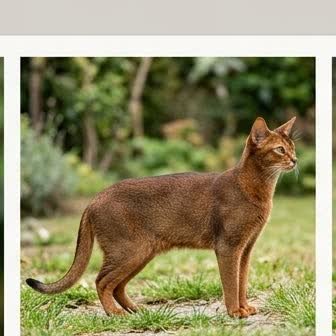
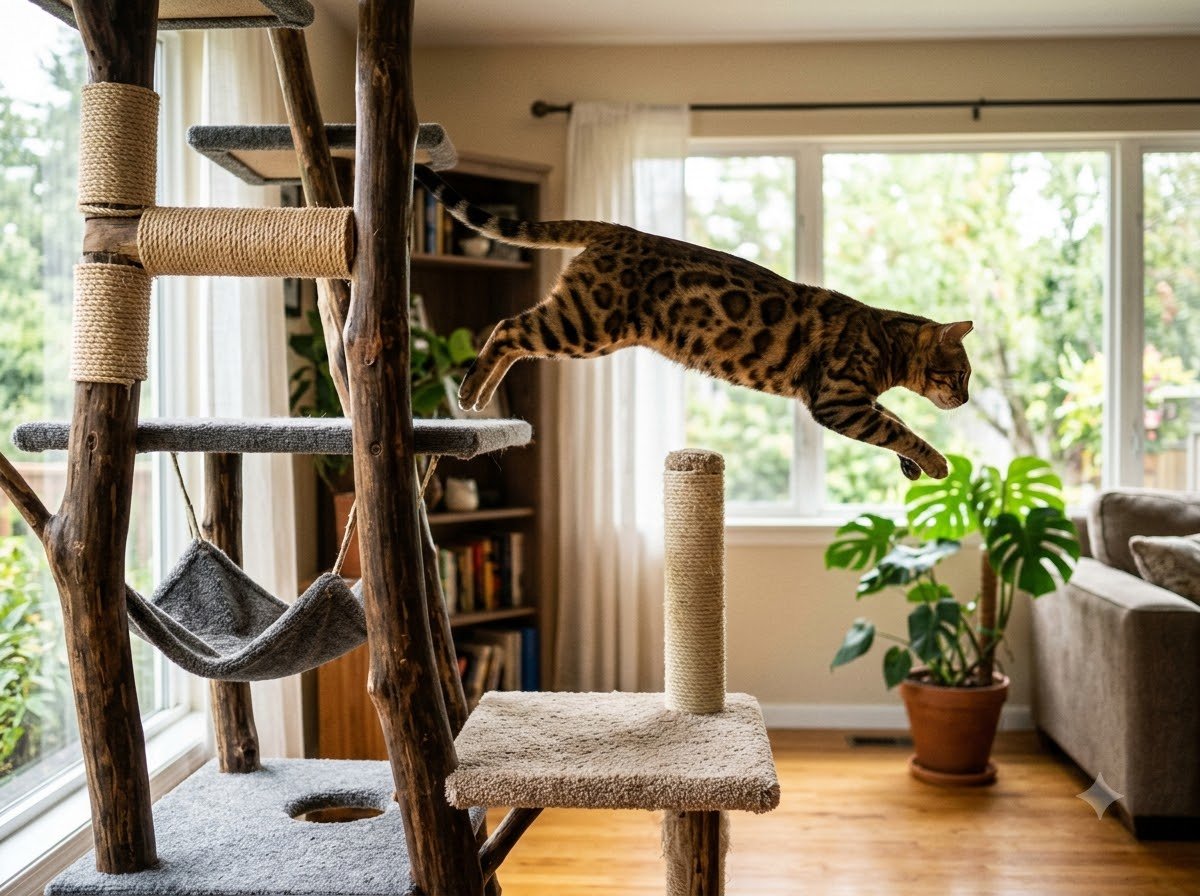
With a distinctive ticked coat resembling a wildcat and a personality to match, the Abyssinian is one of the most active, athletic cat breeds. Endlessly curious and energetic, "Abys" are climbers and explorers at heart, needing plenty of vertical space and stimulation to stay content.

Ethiopia/Egypt (disputed)Origin
ShorthairBreed Group
9 - 15 YearsLife Expectancy

QUICK OVERVIEW

Active, engaged owners
Homes with climbing structures
Owners wanting an interactive cat
Owners wanting a calm lap cat

About the Abyssinian

With a distinctive ticked coat resembling a wildcat and a personality to match, the Abyssinian is one of the most active, athletic cat breeds. Endlessly curious and energetic, "Abys" are climbers and explorers at heart, needing plenty of vertical space and stimulation to stay content.

Last updated: August 12, 2026
Read Full History
Key Facts

Distinctive "ticked" coat pattern gives each hair multiple bands of color
One of the oldest cat breeds, though exact ancient origins are debated
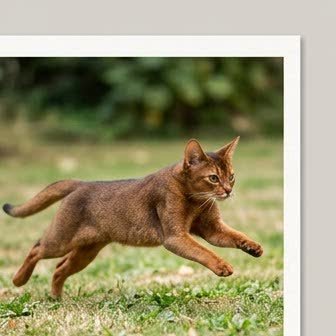
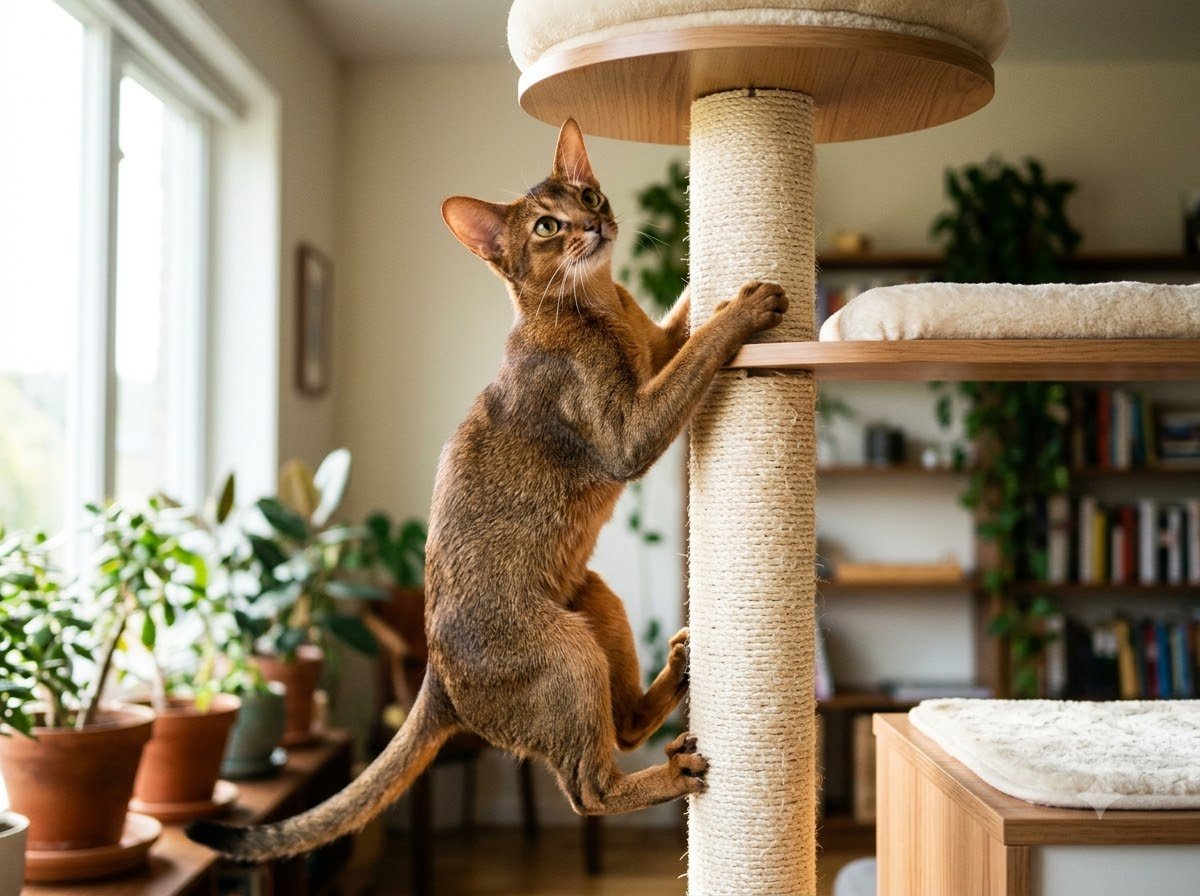
Exceptionally athletic climbers, often seeking the highest point in a room
Highly intelligent and curious, needing significant mental stimulation

Is Abyssinian Right for You?

Active, engaged owners
Homes with climbing structures
Owners wanting an interactive cat
Owners wanting a calm lap cat
Explore More Breeds →

Photo Gallery

View All Breeds →

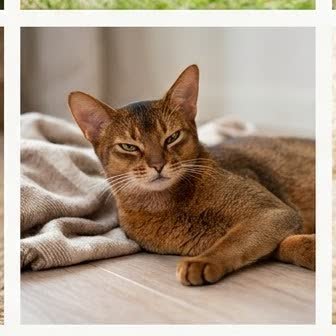
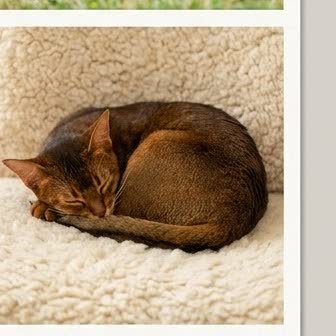
The Abyssinian has a short, fine, ticked coat coat in ruddy, red, blue, fawn, with low to moderate shedding year-round.

Personality

ActiveOne of the most physically active cat breeds, rarely content to simply lounge for long periods.
CuriousInvestigates everything in their environment, often finding their way into cabinets, boxes, or high shelves.
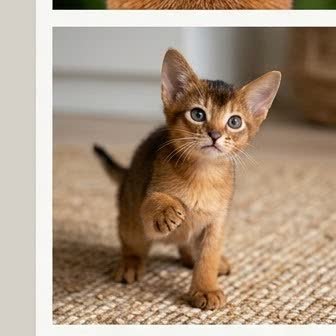
PlayfulRetains kitten-like enthusiasm for interactive play well into adulthood.
SocialEnjoys engaging with family members, though typically on their own energetic terms rather than passive lap time.

Care & Needs

EnrichmentNeeds cat trees, climbing structures, and interactive toys to satisfy their high energy and curiosity — a bored Aby can become destructive.
ExerciseBenefits from active daily play sessions given their naturally high activity level.
GroomingLow-maintenance short coat needs only occasional brushing.
DietTheir high activity level means calorie needs may run slightly higher than more sedentary breeds, though portion control still matters.

Did You Know?

Genetic studies have cast doubt on a direct ancient Egyptian origin, suggesting the breed as we know it today was more likely developed through selective breeding in 19th-century Britain.

Abyssinians have been serving humans in many important roles including: Show Cats and Companion Cats .

Health & Common Issues

Pyruvate Kinase DeficiencyA hereditary blood disorder documented in the breed; genetic testing is available for breeding cats.
Progressive Retinal AtrophyA hereditary eye condition seen in the breed that can lead to gradual vision loss.
GingivitisSome documented predisposition to dental and gum issues, making regular dental care important.

Training & Exercise

  • Provide substantial vertical space — cat trees and shelves — to satisfy their strong climbing instinct.
  • Offer puzzle feeders and interactive toys daily, since under-stimulation can lead to destructive exploring behavior.
  • Consider leash training or a secure outdoor enclosure ("catio"), given their high energy and curious nature.
  • Rotate toys regularly to maintain their interest, since Abyssinians can become bored with unchanging enrichment.

History & Origin

Ancient The breed's exact origins are debated, with theories pointing to ancient Egypt or coastal regions of the Indian Ocean, though the modern name references Ethiopia (formerly Abyssinia).
1860s A cat resembling the modern Abyssinian was reportedly brought to England following the Abyssinian War, contributing to the breed's name.
Late 1800s Selectively bred and refined in England, with early breed standards established.
Today One of the most popular shorthair cat breeds globally, prized for its wildcat-like appearance and energetic personality.

Frequently Asked Questions

Are Abyssinian cats good with children?
Generally yes, given their playful, social nature, though their high energy means they do best with children old enough for interactive play rather than passive cuddling.
Do Abyssinian cats need a lot of attention?
Yes — their high intelligence and energy level mean they need regular interactive play and mental stimulation, making them a poor fit for owners wanting a low-maintenance, hands-off cat.
Why do Abyssinian cats like climbing so much?
It reflects their naturally high energy and athletic build, closely resembling wildcat behavior — providing cat trees and vertical space is one of the most effective ways to satisfy this instinct.

Related Guides for Abyssinian Owners

You Might Also Like

Love Abyssinians?
Get expert tips, care guides & stories straight to your inbox.
No spam Unsubscribe anytime 100% Free