No matches found. Try a different search term.
HomeCat BreedsBurmese
CAT BREED PROFILE

Burmese

— Affectionate. Playful. Social.

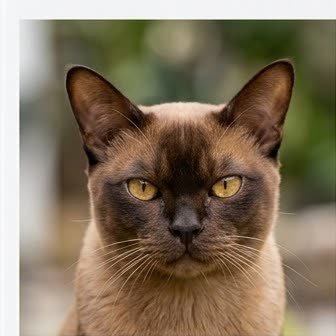
Descended from a single cat brought from Burma to the United States in the 1930s, the Burmese combines a compact, muscular build with a famously affectionate, dog-like devotion to their people. Playful and social well into adulthood, Burmese cats thrive on companionship and rarely do well left alone for long stretches.

Myanmar (Burma)/United StatesOrigin
ShorthairBreed Group
10 - 17 YearsLife Expectancy

QUICK OVERVIEW

Companionship-focused households
Owners wanting an interactive cat
Families with children
Owners wanting an independent, aloof cat

About the Burmese

Descended from a single cat brought from Burma to the United States in the 1930s, the Burmese combines a compact, muscular build with a famously affectionate, dog-like devotion to their people. Playful and social well into adulthood, Burmese cats thrive on companionship and rarely do well left alone for long stretches.

Last updated: August 12, 2026
Read Full History
Key Facts

American Burmese lineage traces to a single cat named Wong Mau brought from Burma in 1930
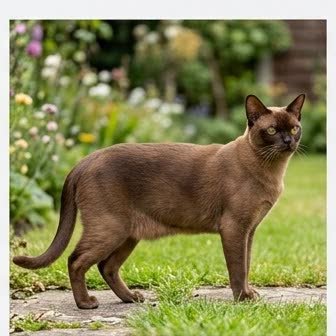
Known for a surprisingly heavy, muscular build often described as "brick wrapped in silk"
Often described as dog-like, following owners around and greeting visitors
Retains a playful, kitten-like personality well into adulthood

Is Burmese Right for You?

Companionship-focused households
Owners wanting an interactive cat
Families with children
Owners wanting an independent, aloof cat
Explore More Breeds →

Photo Gallery

View All Breeds →

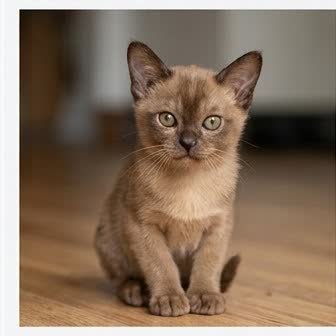
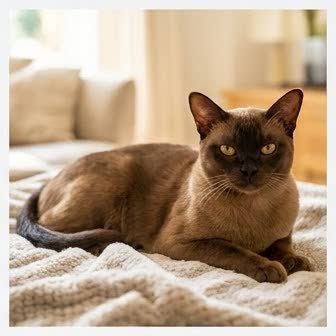
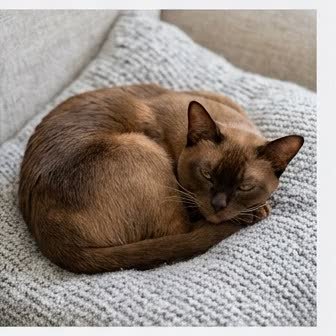
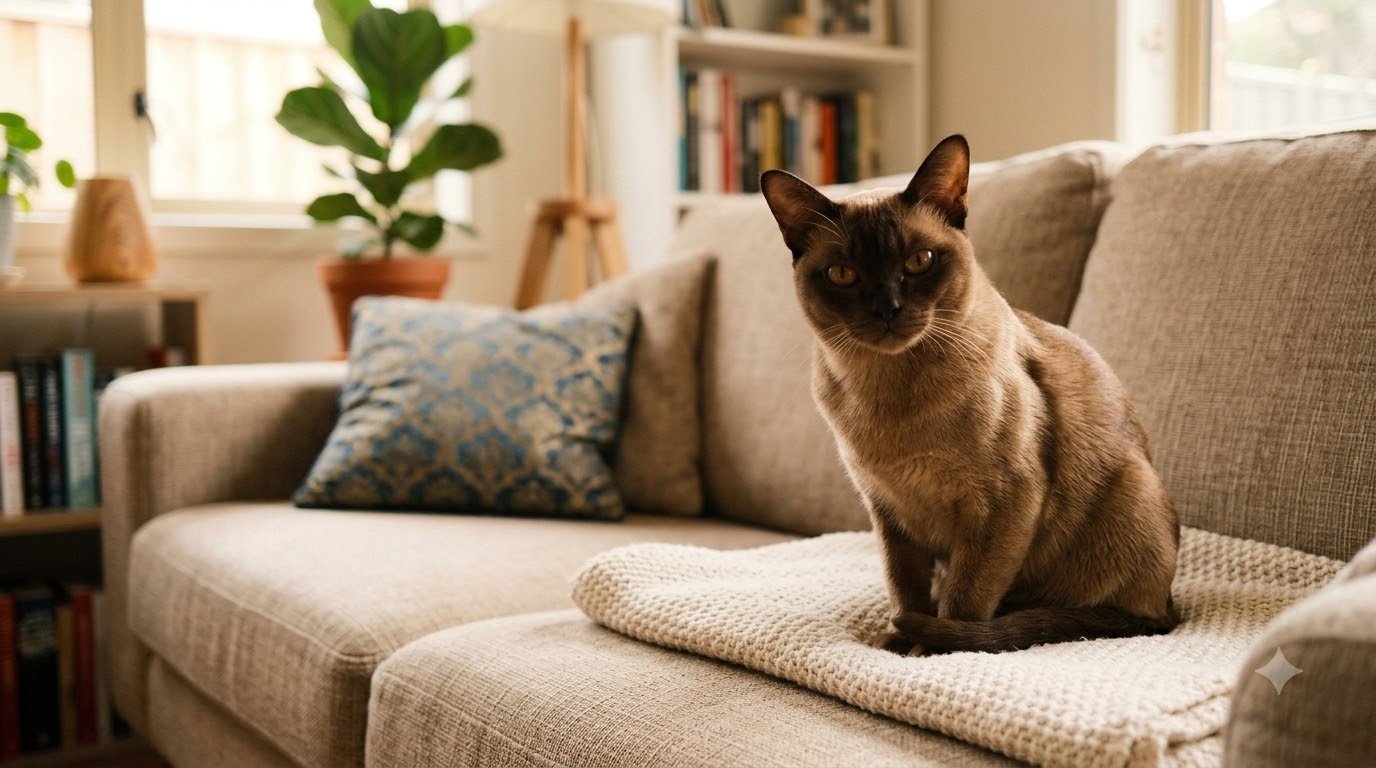
The Burmese has a short, fine, satin-like coat coat in sable, champagne, blue, platinum, with low shedding year-round.

Personality

AffectionateKnown for forming exceptionally close bonds with family, often seeking physical closeness constantly.
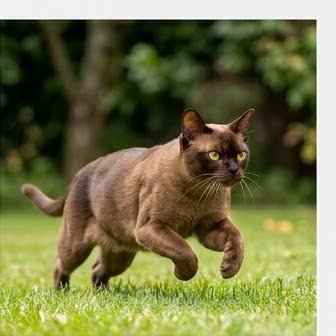
PlayfulRetains a kitten-like enthusiasm for play well into adulthood.
SocialGenerally friendly with visitors and other pets, thriving on interaction and company.
VocalCommunicates fairly frequently, though generally with a softer voice than more vocal breeds like the Siamese.

Care & Needs

CompanionshipForms close bonds with family and does poorly when left alone for long periods, given their strongly social temperament.
GroomingLow-maintenance short coat needs only occasional brushing to stay glossy.
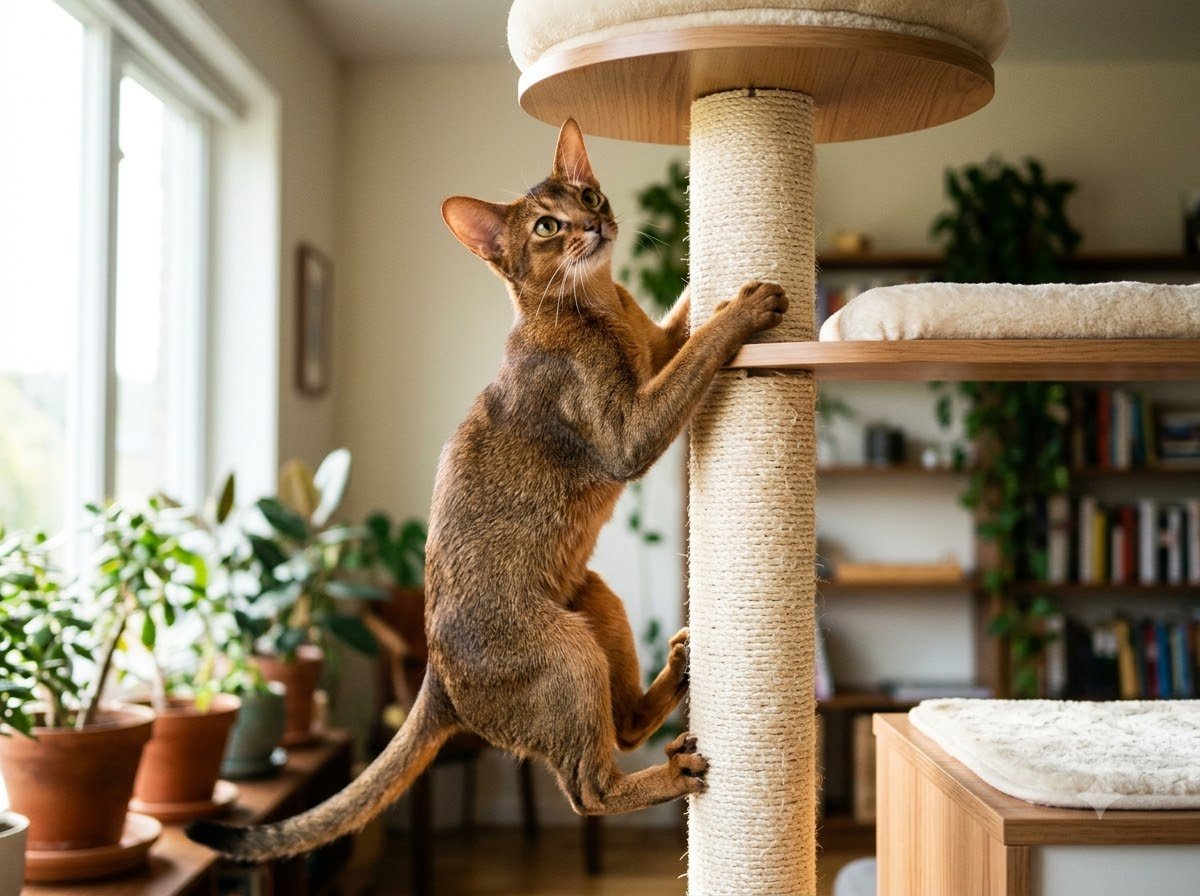
ExerciseBenefits from interactive play to match their moderate-to-high energy level and curious nature.
DietStandard portion control helps maintain healthy weight for this moderately active breed.

Did You Know?

The entire American Burmese breed descends from a single foundation cat, Wong Mau, making the breed's genetic history unusually well-documented compared to most cat breeds.

Burmeses have been serving humans in many important roles including: Show Cats and Companion Cats .

Health & Common Issues

HypokalemiaA hereditary condition affecting potassium levels, documented specifically in the breed; genetic testing is available for breeding cats.
Craniofacial DefectA rare hereditary condition documented in some lines; responsible breeders screen against it.
DiabetesSome documented predisposition to diabetes in the breed, making weight management and regular checkups valuable.

Training & Exercise

  • Provide consistent daily interaction and play, since Burmese cats form strong attachments and thrive on companionship.
  • Consider leash training or simple tricks, given the breed's above-average trainability and social nature.
  • Introduce new people and pets confidently, since most Burmese adapt well and enjoy social engagement.
  • Offer interactive toys to match their playful, moderately active temperament.

History & Origin

1930 A brown cat named Wong Mau was brought from Burma (modern Myanmar) to the United States, becoming the foundation of the American Burmese breeding program.
1930s Crossed initially with Siamese cats to establish the breed before being refined into a distinct type.
1936 Officially recognized by the Cat Fanciers' Association.
Today A popular breed valued for its affectionate, dog-like temperament and compact, muscular build.

Frequently Asked Questions

Are Burmese cats good with children?
Yes, generally — their affectionate, playful, social temperament makes them well suited to families, including households with children and other pets.
Why do Burmese cats feel so heavy for their size?
They have an unusually dense, muscular build for their compact frame, often described in breed standards as "brick wrapped in silk" — this genuine physical density is a distinctive breed trait.
Do Burmese cats need a lot of attention?
Yes — their strongly social, people-oriented temperament means they do best with regular companionship and interaction, making them a poor fit for owners wanting a low-maintenance, independent cat.

Related Guides for Burmese Owners

You Might Also Like

Love Burmeses?
Get expert tips, care guides & stories straight to your inbox.
No spam Unsubscribe anytime 100% Free