No matches found. Try a different search term.
HomeDog BreedsDachshund
DOG BREED PROFILE

Dachshund

— Bold. Playful. Stubborn.

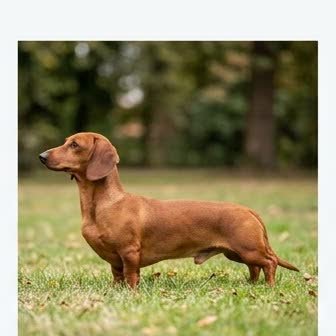
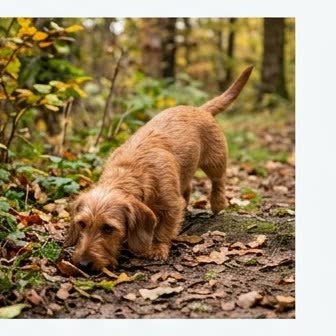
The Dachshund's unmistakable long body and short legs were purpose-built in Germany to hunt badgers by digging into their burrows — the name literally translates to "badger dog." Bold and tenacious well beyond their small size, Dachshunds combine a playful personality with the same digging, tracking instincts their working ancestors relied on.

GermanyOrigin
Hound GroupBreed Group
12 - 16 YearsLife Expectancy

QUICK OVERVIEW

Owners who can limit jumping/stairs
Apartment or house living
Households wanting a loyal companion
Very active, high-jump households

About the Dachshund

The Dachshund's unmistakable long body and short legs were purpose-built in Germany to hunt badgers by digging into their burrows — the name literally translates to "badger dog." Bold and tenacious well beyond their small size, Dachshunds combine a playful personality with the same digging, tracking instincts their working ancestors relied on.

Last updated: August 12, 2026
Read Full History
Key Facts

Bred specifically to hunt badgers by tunneling into their underground burrows
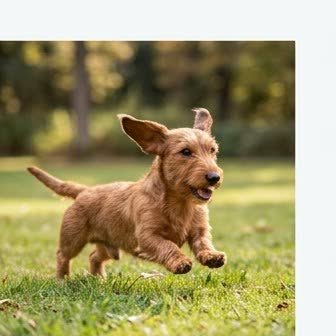
Comes in standard and miniature sizes, plus smooth, longhaired, and wirehaired coats
Elongated spine makes back health a defining lifelong care consideration
Surprisingly bold and vocal for their size, often unaware of how small they are

Is Dachshund Right for You?

Owners who can limit jumping/stairs
Apartment or house living
Households wanting a loyal companion
Very active, high-jump households
Explore More Breeds →

Photo Gallery

View All Breeds →

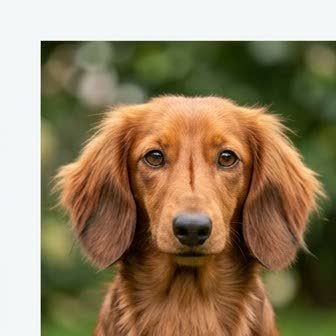
The Dachshund has a smooth, longhaired, or wirehaired coat in red, black and tan, chocolate, cream, dapple, with low to moderate (varies by coat type) shedding year-round.

Personality

BoldDespite their small size, Dachshunds often act with the confidence of a much larger dog, a trait from their badger-hunting past.
PlayfulEnjoys games and interaction, retaining a puppyish enthusiasm well into adulthood.
StubbornBred to work independently underground, Dachshunds can be strong-willed and slow to prioritize commands.
LoyalForms close bonds with their family and can be wary or vocal toward strangers.

Care & Needs

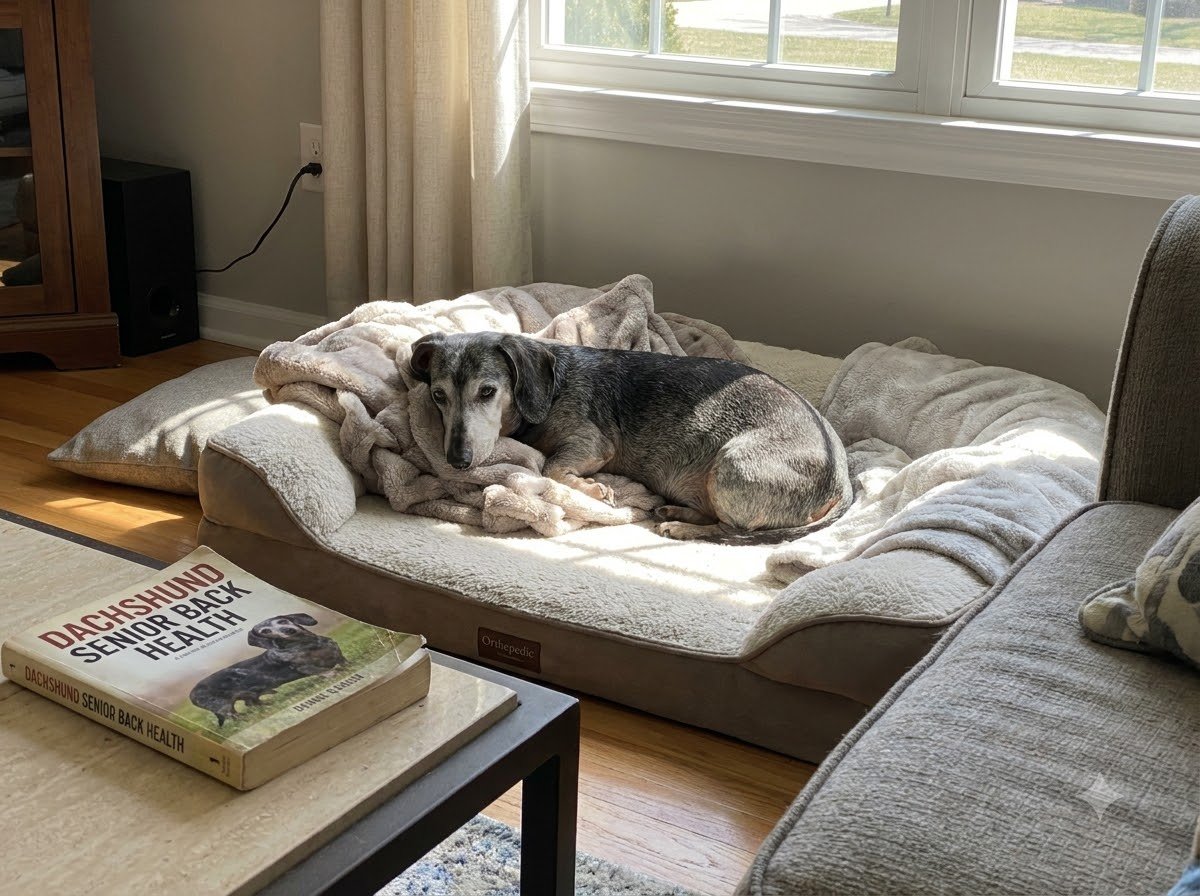
Back HealthTheir elongated spine makes them prone to disc disease — limiting jumping on/off furniture and using ramps or stairs helps protect their back.
Exercise30-45 minutes of daily walking; moderate activity that avoids repetitive jumping or high-impact movement.
DietProne to weight gain, which puts additional strain on their long spine — keeping them lean is especially important for this breed.
GroomingVaries by coat type — smooth coats need minimal grooming, while longhaired and wirehaired coats need more regular brushing.

Did You Know?

Dachshunds come in two sizes (standard and miniature) and three coat types (smooth, longhaired, wirehaired) — technically making for six distinct breed varieties.

Dachshunds have been serving humans in many important roles including: Badger Hunters and Companion Dogs .

Health & Common Issues

Intervertebral Disc Disease (IVDD)The breed's defining health risk — their long spine and short legs predispose them to disc herniation, which can cause pain or hind-leg paralysis.
ObesityExtra weight significantly increases strain on their spine, making weight management a more urgent priority than in most breeds.
Dental DiseaseSmall breeds including Dachshunds are prone to dental crowding and periodontal disease, making regular dental care important.

Training & Exercise

  • Use positive reinforcement consistently; Dachshunds can be stubborn and respond poorly to harsh correction.
  • Discourage jumping on and off furniture from puppyhood, using ramps or steps instead to protect their back long-term.
  • Socialize early, since Dachshunds can become overly wary or vocal toward strangers without consistent exposure.
  • Keep training sessions short and engaging, since their independent hunting heritage means they can lose interest quickly.

History & Origin

1600s Early Dachshund-type dogs were developed in Germany for badger hunting, with the name translating to "badger dog."
1800s The breed was refined and standardized in Germany, with distinct size varieties developed for hunting different game.
Early 1900s Introduced to the US and gained popularity, though anti-German sentiment during World Wars I and II briefly affected the breed's image.
Today One of the most popular small dog breeds in the US, valued far more as a companion than a working hunter today.

Frequently Asked Questions

Why do Dachshunds have back problems?
Their elongated spine and short legs, while distinctive to the breed, predispose them to intervertebral disc disease — limiting jumping and maintaining a healthy weight both help reduce this lifelong risk.
Are Dachshunds good with children?
They can be, but their small size and tendency toward back injury mean supervision and teaching children gentle handling matters more than with sturdier breeds.
Do Dachshunds bark a lot?
Yes, generally — bred to alert hunters while underground, Dachshunds tend to be vocal and can be prone to barking at strangers or unfamiliar sounds without consistent training.

Related Guides for Dachshund Owners

You Might Also Like

Love Dachshunds?
Get expert tips, care guides & stories straight to your inbox.
No spam Unsubscribe anytime 100% Free