No matches found. Try a different search term.
HomeDog BreedsLabrador Retriever
DOG BREED PROFILE

Labrador Retriever

— Outgoing. Even-Tempered. Gentle.

Despite the name, the Labrador Retriever's roots trace to Newfoundland, Canada, where the breed helped fishermen haul nets and retrieve catch from icy water. Friendly, food-motivated, and endlessly eager to please, Labs have been the most popular dog breed in the US for decades, equally at home as a family pet, a service dog, or a hunting companion.

Newfoundland, CanadaOrigin
Sporting GroupBreed Group
10 - 12 YearsLife Expectancy

QUICK OVERVIEW

Active families
First-time dog owners
Owners who can manage weight/diet
Very low-exercise households

About the Labrador Retriever

Despite the name, the Labrador Retriever's roots trace to Newfoundland, Canada, where the breed helped fishermen haul nets and retrieve catch from icy water. Friendly, food-motivated, and endlessly eager to please, Labs have been the most popular dog breed in the US for decades, equally at home as a family pet, a service dog, or a hunting companion.

Last updated: August 12, 2026
Read Full History
Key Facts

The most popular dog breed in the US for over 30 consecutive years (AKC)
Widely used as guide, service, and detection dogs for their trainability
Webbed paws and a water-resistant coat built for retrieving in cold water
Famously food-motivated, which makes portion control especially important

Is Labrador Retriever Right for You?

Active families
First-time dog owners
Owners who can manage weight/diet
Very low-exercise households
Explore More Breeds →

Photo Gallery

View All Breeds →

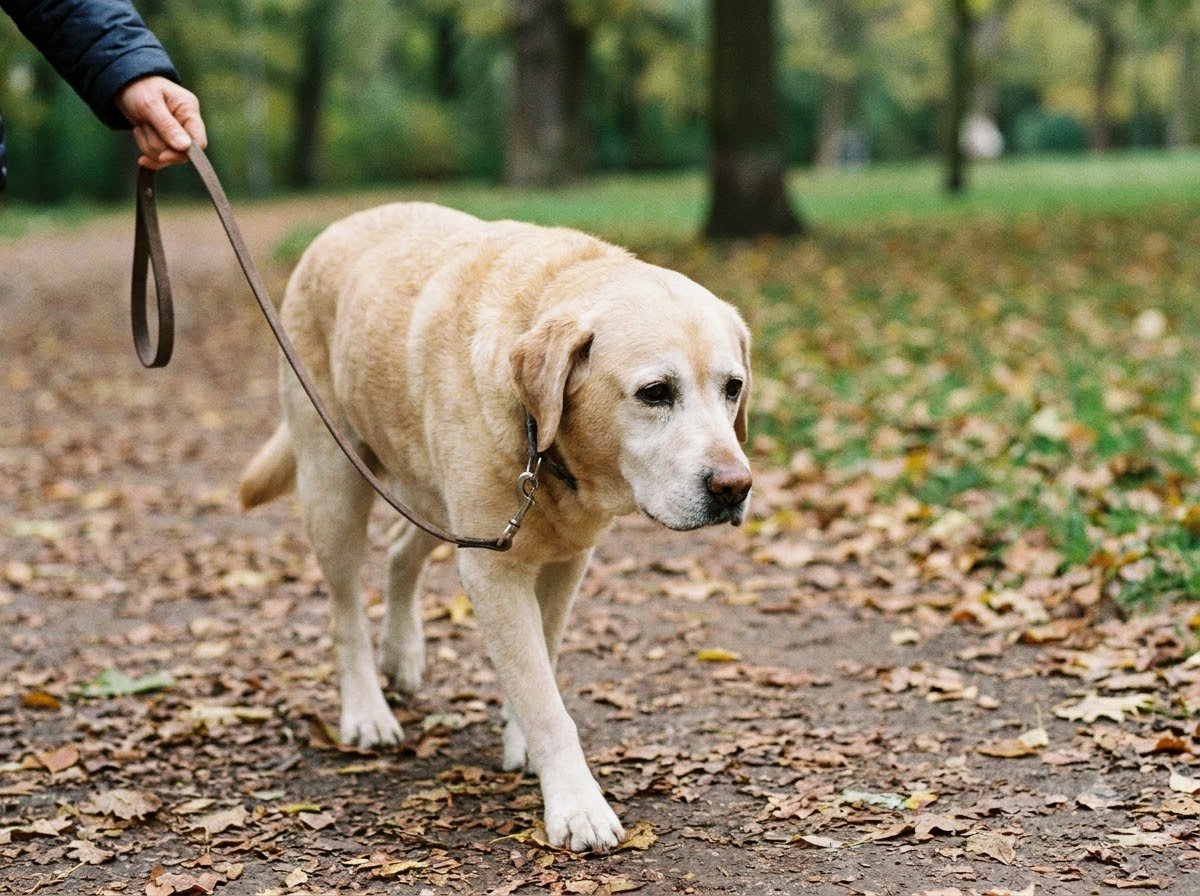
The Labrador Retriever has a short, dense, water-resistant double coat coat in black, yellow, chocolate, with moderate to heavy shedding year-round.

Personality

OutgoingRarely shy or reserved, Labs tend to greet new people and animals with genuine friendliness.
Even-TemperedA stable, reliable temperament that suits busy households and unpredictable environments well.
GentleKnown for a soft mouth and patient nature, making them a common choice for families and service work.
Food-MotivatedHighly responsive to treat-based training, though this same trait makes weight management a lifelong consideration.

Care & Needs

Exercise60+ minutes daily — swimming and fetch suit their retrieving instincts especially well and help manage their high energy.
GroomingWeekly brushing, more during seasonal shedding; their water-resistant coat sheds year-round.
DietProne to obesity due to a strong food drive and, in some lines, a genetic mutation affecting appetite regulation — strict portion control matters.
Living SpaceAdapts well to most homes with consistent daily exercise, though yard access is a plus for this active breed.

Did You Know?

Labrador Retrievers were originally called "St. John's dogs" after the Newfoundland capital, not for the Labrador region itself.

Labrador Retrievers have been serving humans in many important roles including: Guide Dogs , Service Dogs , Detection Dogs and Search & Rescue .

Health & Common Issues

Hip and Elbow DysplasiaCommon in large sporting breeds; screening breeding stock and maintaining lean body weight both reduce lifetime risk.
ObesityOne of the breeds most prone to weight gain, which compounds joint problems and shortens lifespan if not actively managed.
Exercise-Induced CollapseA genetic condition seen in some Labrador lines causing weakness after intense exercise — genetic testing is available for breeding dogs.

Training & Exercise

  • Start training early using food rewards, which this breed responds to exceptionally well — but track treat calories against their daily food budget.
  • Provide a job or purpose, like retrieving games, since Labs were bred for working tasks and thrive with structured activity.
  • Socialize widely; most Labs are naturally friendly, but early exposure builds confidence around less familiar situations.
  • Consider water-based activities if accessible, tapping into the breed's natural swimming instinct for both exercise and enrichment.

History & Origin

1700s-1800s Developed in Newfoundland, Canada, from working "St. John's water dogs" that helped fishermen retrieve nets and catch.
Early 1800s Brought to England by English nobility who refined the breed for retrieving game on hunting estates.
1903 Officially recognized by The Kennel Club in England.
1917 Recognized by the American Kennel Club, beginning the breed's rise to becoming America's most popular dog.

Frequently Asked Questions

Why do Labrador Retrievers gain weight so easily?
Some Labrador lines carry a genetic mutation that affects appetite regulation, making them more food-driven than most breeds — combined with their eagerness for treats during training, this makes portion control especially important.
Are Labrador Retrievers good with children?
Generally yes — their gentle, even temperament is a major reason they're consistently ranked among the most popular family dog breeds in the US.
How much exercise does a Labrador Retriever need?
At least 60 minutes of daily activity; this sporting breed was built for sustained retrieving work and becomes restless or overweight without regular exercise.

Related Guides for Labrador Retriever Owners

You Might Also Like

Love Labrador Retrievers?
Get expert tips, care guides & stories straight to your inbox.
No spam Unsubscribe anytime 100% Free