No matches found. Try a different search term.
HomeCat BreedsOriental Shorthair
CAT BREED PROFILE

Oriental Shorthair

— Vocal. Social. Intelligent.

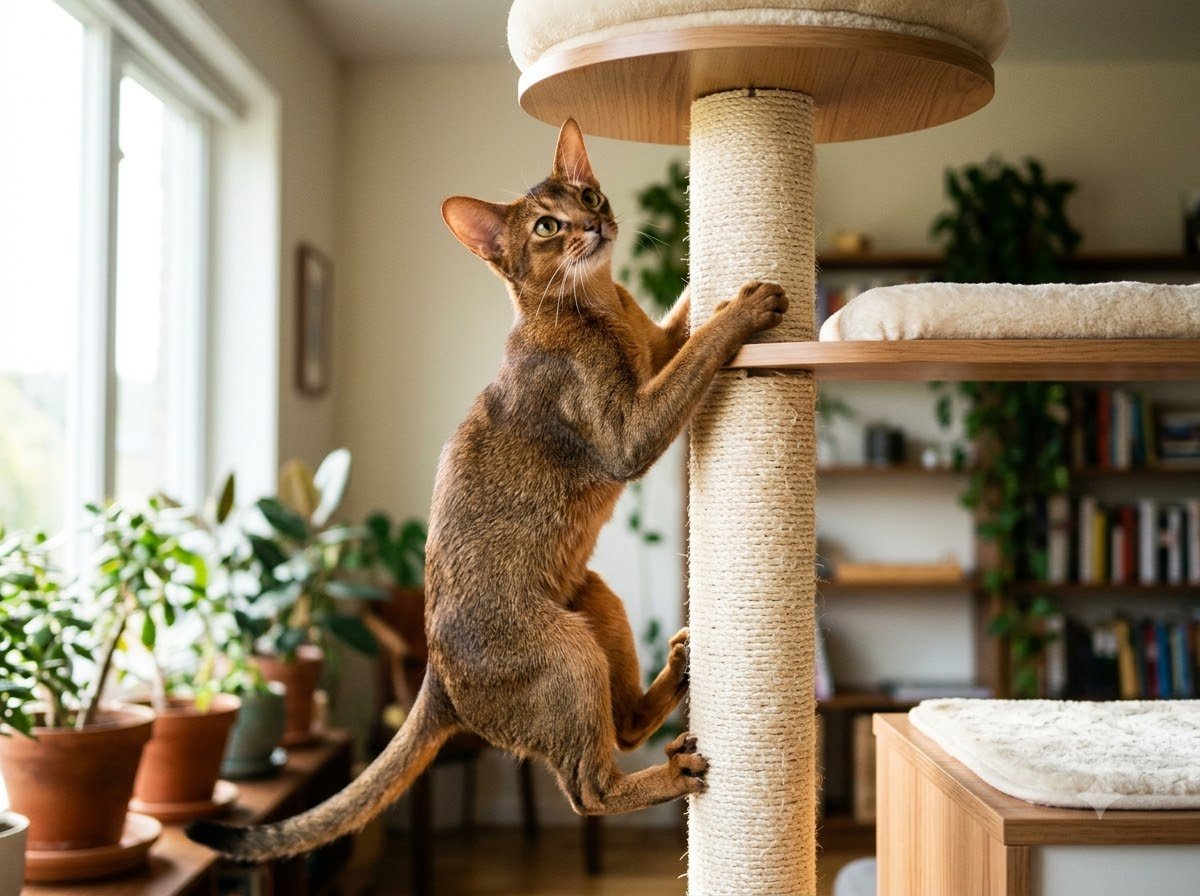
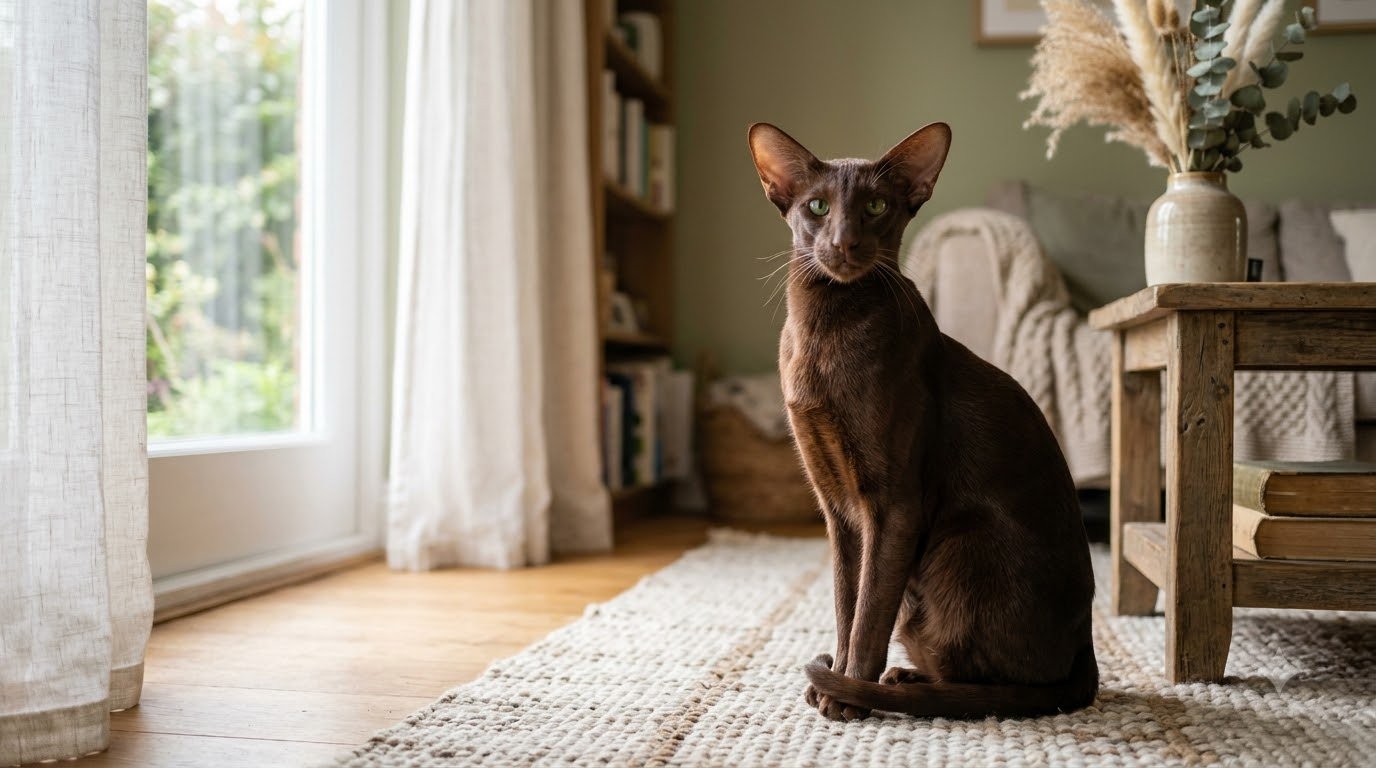
A close relative of the Siamese sharing the same sleek, angular body type, the Oriental Shorthair comes in an enormous range of coat colors and patterns rather than the Siamese's signature color points. Vocal, social, and highly intelligent, Orientals share much of the Siamese temperament while offering far more coat variety.

United Kingdom/ThailandOrigin
ShorthairBreed Group
10 - 15 YearsLife Expectancy

QUICK OVERVIEW

Owners who want an interactive, social cat
Households that can provide company
Owners tolerant of a vocal cat
Owners wanting a quiet, independent cat

About the Oriental Shorthair

A close relative of the Siamese sharing the same sleek, angular body type, the Oriental Shorthair comes in an enormous range of coat colors and patterns rather than the Siamese's signature color points. Vocal, social, and highly intelligent, Orientals share much of the Siamese temperament while offering far more coat variety.

Last updated: August 12, 2026
Read Full History
Key Facts

Comes in the widest range of coat colors and patterns of any recognized cat breed
Shares the Siamese's famously vocal, talkative temperament
Highly intelligent and curious, often described as dog-like in loyalty
Known for a sleek, angular body type shared with the Siamese

Is Oriental Shorthair Right for You?

Owners who want an interactive, social cat
Households that can provide company
Owners tolerant of a vocal cat
Owners wanting a quiet, independent cat
Explore More Breeds →

Photo Gallery

View All Breeds →

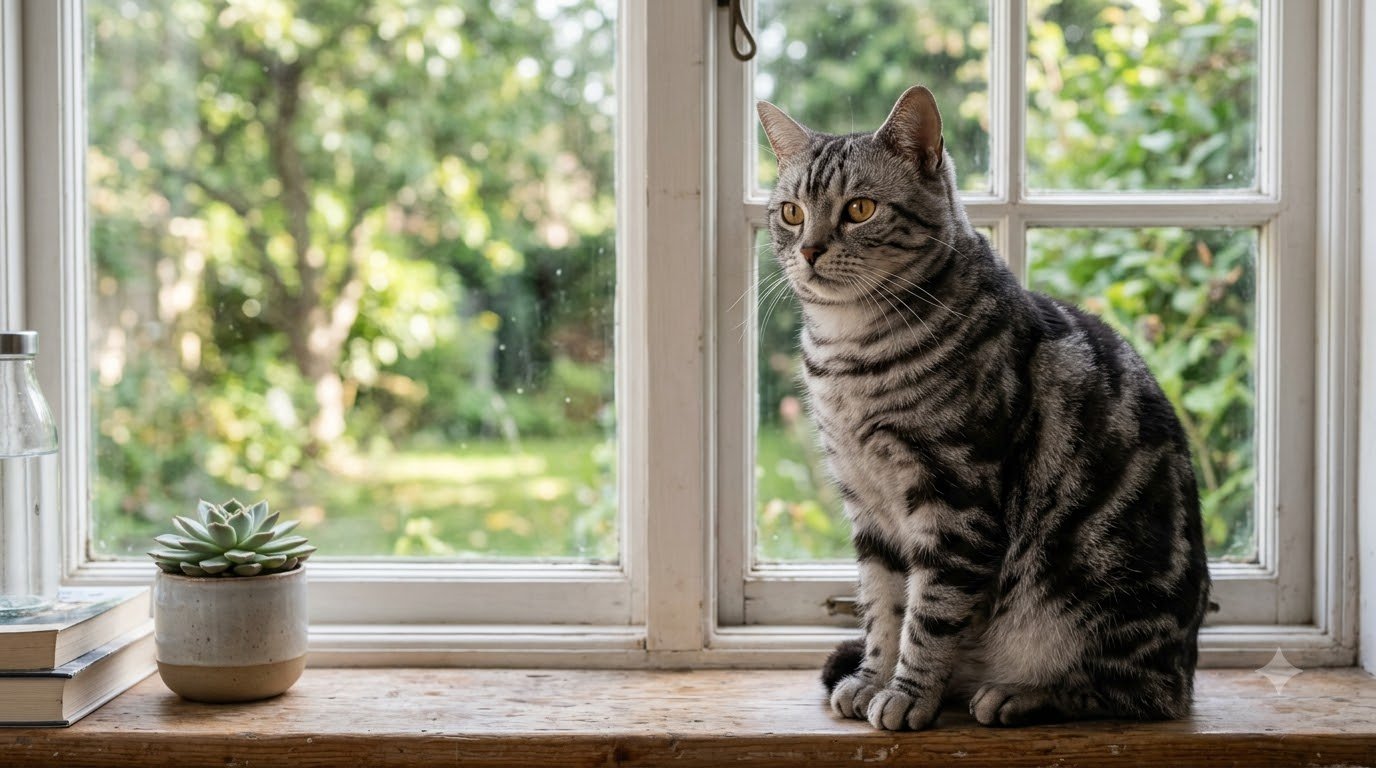
The Oriental Shorthair has a short, fine, single coat coat in extremely wide variety — solids, tabbies, tortoiseshells, and more, with low shedding year-round.

Personality

VocalFamous for a loud, distinctive voice and a tendency to "converse" with their owners throughout the day, much like the Siamese.
SocialForms strong attachments to people and often doesn't do well left alone for long periods.
IntelligentCurious and quick to learn, sometimes trainable to walk on a leash or perform simple tricks.
EnergeticMore playful and active than many cat breeds, retaining kitten-like curiosity into adulthood.

Care & Needs

CompanionshipDoes best with regular interaction — an Oriental left alone for long stretches can become anxious or excessively vocal.
GroomingLow-maintenance short coat needs only weekly brushing to stay healthy and reduce shedding.
EnrichmentNeeds interactive toys and climbing opportunities to satisfy their high energy and intelligence.
DietGenerally a normal feline diet, though their higher activity level means they're less prone to weight gain if fed appropriately.

Did You Know?

The Oriental Shorthair holds the distinction of having the widest range of officially recognized coat colors and patterns of any cat breed, with over 300 possible combinations recognized by some registries.

Oriental Shorthairs have been serving humans in many important roles including: Show Cats and Companion Cats .

Health & Common Issues

Hypertrophic CardiomyopathyA heart condition documented in many purebred cats including the Oriental Shorthair, making cardiac screening valuable.
Progressive Retinal AtrophyA hereditary eye condition shared with Siamese ancestry that can lead to gradual vision loss.
AmyloidosisA rare hereditary condition documented in some lines, affecting organ function.

Training & Exercise

  • Provide daily interactive play — wand toys and puzzle feeders help satisfy this breed's high intelligence and energy.
  • Consider leash training from kittenhood, since Orientals are often receptive to this compared to most breeds.
  • Respond to vocalizing with attention rather than ignoring it entirely, since Orientals often "talk" to communicate genuine needs.
  • Offer a wide variety of enrichment given their intelligence and curiosity, to avoid boredom-driven behavior.

History & Origin

1950s-1960s Developed in the UK and US by crossing Siamese cats with other shorthair breeds to expand the range of available coat colors.
1972 Achieved championship status with the Cat Fanciers' Association.
Today A popular breed valued for offering Siamese-like temperament and body type across an unusually wide range of coat colors and patterns.

Frequently Asked Questions

What's the difference between an Oriental Shorthair and a Siamese?
They share the same body type and much of the same temperament, but Oriental Shorthairs come in a vastly wider range of coat colors and patterns, while Siamese cats are limited to the traditional color-point pattern.
Are Oriental Shorthairs good for first-time cat owners?
They can be, but their high need for interaction and vocal, demanding personality suit owners who want an engaged, social cat rather than an independent, low-maintenance one.
Why are Oriental Shorthairs so vocal?
It's a well-documented breed trait inherited from their close Siamese ancestry, linked to their social, people-oriented temperament.

Related Guides for Oriental Shorthair Owners

You Might Also Like

Love Oriental Shorthairs?
Get expert tips, care guides & stories straight to your inbox.
No spam Unsubscribe anytime 100% Free