No matches found. Try a different search term.
HomeDog BreedsPomeranian
DOG BREED PROFILE

Pomeranian

— Lively. Bold. Fluffy.

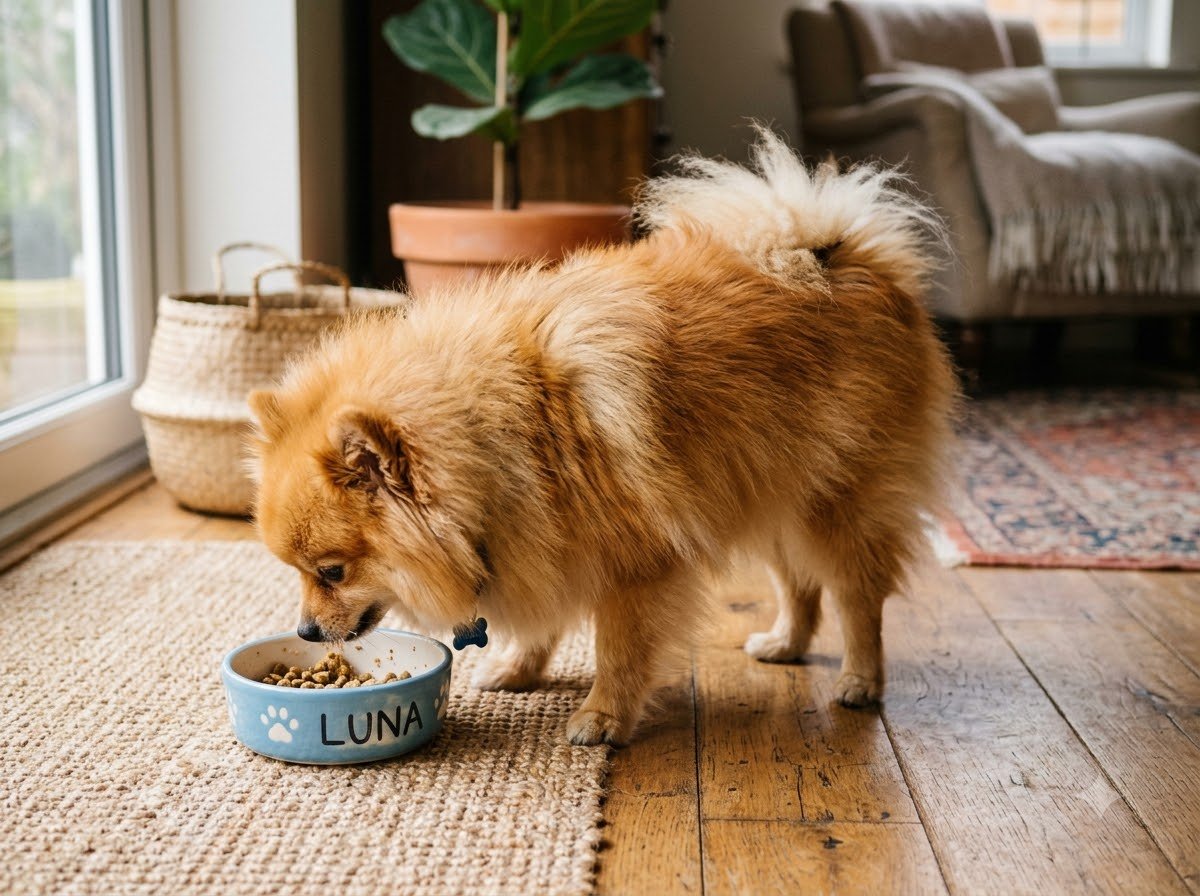
Descended from larger sled-pulling spitz breeds, the Pomeranian was bred down dramatically in size in the Pomerania region while retaining its fox-like face and famously fluffy double coat. Despite their tiny stature, Pomeranians carry a bold, confident personality and a genuine watchdog instinct rarely dulled by their small size.

Germany/Poland (Pomerania region)Origin
Toy GroupBreed Group
12 - 16 YearsLife Expectancy

QUICK OVERVIEW

Apartment or small-space living
Owners committed to regular grooming
Households wanting an alert companion
Homes with very young, boisterous children

About the Pomeranian

Descended from larger sled-pulling spitz breeds, the Pomeranian was bred down dramatically in size in the Pomerania region while retaining its fox-like face and famously fluffy double coat. Despite their tiny stature, Pomeranians carry a bold, confident personality and a genuine watchdog instinct rarely dulled by their small size.

Last updated: August 12, 2026
Read Full History
Key Facts

Descended from larger Spitz-type sled dogs, bred down significantly in size over centuries
Popularized in England after Queen Victoria bred and showed Pomeranians in the 1800s
Famous for a dramatically fluffy double coat requiring regular grooming
Surprisingly vocal and alert despite their small size, making effective watchdogs

Is Pomeranian Right for You?

Apartment or small-space living
Owners committed to regular grooming
Households wanting an alert companion
Homes with very young, boisterous children
Explore More Breeds →

Photo Gallery

View All Breeds →

The Pomeranian has a thick, fluffy double coat coat in wide variety, including orange, black, cream, sable, with high (seasonal blowouts) shedding year-round.

Personality

LivelyEnergetic and curious, Pomeranians engage enthusiastically with their environment and family.
BoldRarely intimidated despite their tiny size, often approaching larger dogs with confidence.
AlertNaturally watchful and vocal, quick to announce visitors or unfamiliar sounds.
AffectionateForms close bonds with their family, enjoying attention and closeness.

Care & Needs

GroomingRequires brushing 3-4 times weekly to manage their thick double coat and prevent matting, with more frequent care during seasonal shedding.
Dental CareToy breeds are especially prone to dental crowding and periodontal disease — regular brushing and vet checks matter.
HandlingTheir small, delicate frame is prone to injury from falls or rough handling, requiring gentle interaction and supervision with kids.
ExerciseModest daily walks and play are usually sufficient given their small size, though they enjoy more activity than some toy breeds.

Did You Know?

Pomeranians were bred down from spitz-type dogs that could weigh over 30 pounds — the breed's dramatic size reduction happened largely over just a century of selective breeding.

Pomeranians have been serving humans in many important roles including: Companion Dogs and Show Dogs .

Health & Common Issues

Tracheal CollapseA structural airway issue common in small toy breeds, often managed by using a harness instead of a collar to reduce throat pressure.
Dental DiseaseSmall jaw structure makes Pomeranians highly prone to overcrowded teeth and periodontal disease without regular dental care.
Patellar LuxationA common small-breed joint issue where the kneecap slips out of place, ranging from mild to requiring surgical correction.

Training & Exercise

  • Use consistent, positive reinforcement; Pomeranians are intelligent but can develop "small dog syndrome" without consistent boundaries.
  • Socialize early to manage their natural boldness around larger dogs, preventing overconfident or reactive behavior.
  • Use a harness rather than a collar for walks, reducing pressure on their throat given their susceptibility to tracheal issues.
  • Address excessive barking early with consistent training, channeling their natural alertness productively.

History & Origin

1700s Descended from larger Spitz-type sled and herding dogs from the Pomerania region of modern-day Germany and Poland.
1800s Bred down dramatically in size and popularized in England, notably by Queen Victoria, who owned and showed Pomeranians.
1900 Officially recognized by the American Kennel Club.
Today One of the most popular toy breeds worldwide, known for its fox-like face and fluffy, dramatic coat.

Frequently Asked Questions

Are Pomeranians good with children?
They can be, but their small, delicate size means supervision and teaching gentle handling matter more than with sturdier breeds — they're generally a better fit for families with older, calmer children.
How much grooming does a Pomeranian need?
A significant amount — brushing 3-4 times weekly is needed to manage their thick double coat and prevent matting, with even more frequent care during seasonal shedding periods.
Do Pomeranians bark a lot?
Yes, generally — their natural alertness and watchdog instinct make them prone to frequent barking without consistent training to manage the behavior.

Related Guides for Pomeranian Owners

You Might Also Like

Love Pomeranians?
Get expert tips, care guides & stories straight to your inbox.
No spam Unsubscribe anytime 100% Free