No matches found. Try a different search term.
HomeDog BreedsSaint Bernard
DOG BREED PROFILE

Saint Bernard

— Gentle. Patient. Heroic.

Bred by monks at the Great St. Bernard Hospice in the Swiss Alps to rescue stranded travelers, the Saint Bernard is one of history's most famous working dog breeds. Despite their massive size, Saint Bernards are known for a remarkably gentle, patient temperament, making them beloved family companions as much as legendary alpine rescuers.

Swiss AlpsOrigin
Working GroupBreed Group
8 - 10 YearsLife Expectancy

QUICK OVERVIEW

Homes with space for a giant breed
Owners who can manage joint health
Families wanting a gentle giant
Hot climates without cooling access

About the Saint Bernard

Bred by monks at the Great St. Bernard Hospice in the Swiss Alps to rescue stranded travelers, the Saint Bernard is one of history's most famous working dog breeds. Despite their massive size, Saint Bernards are known for a remarkably gentle, patient temperament, making them beloved family companions as much as legendary alpine rescuers.

Last updated: August 12, 2026
Read Full History
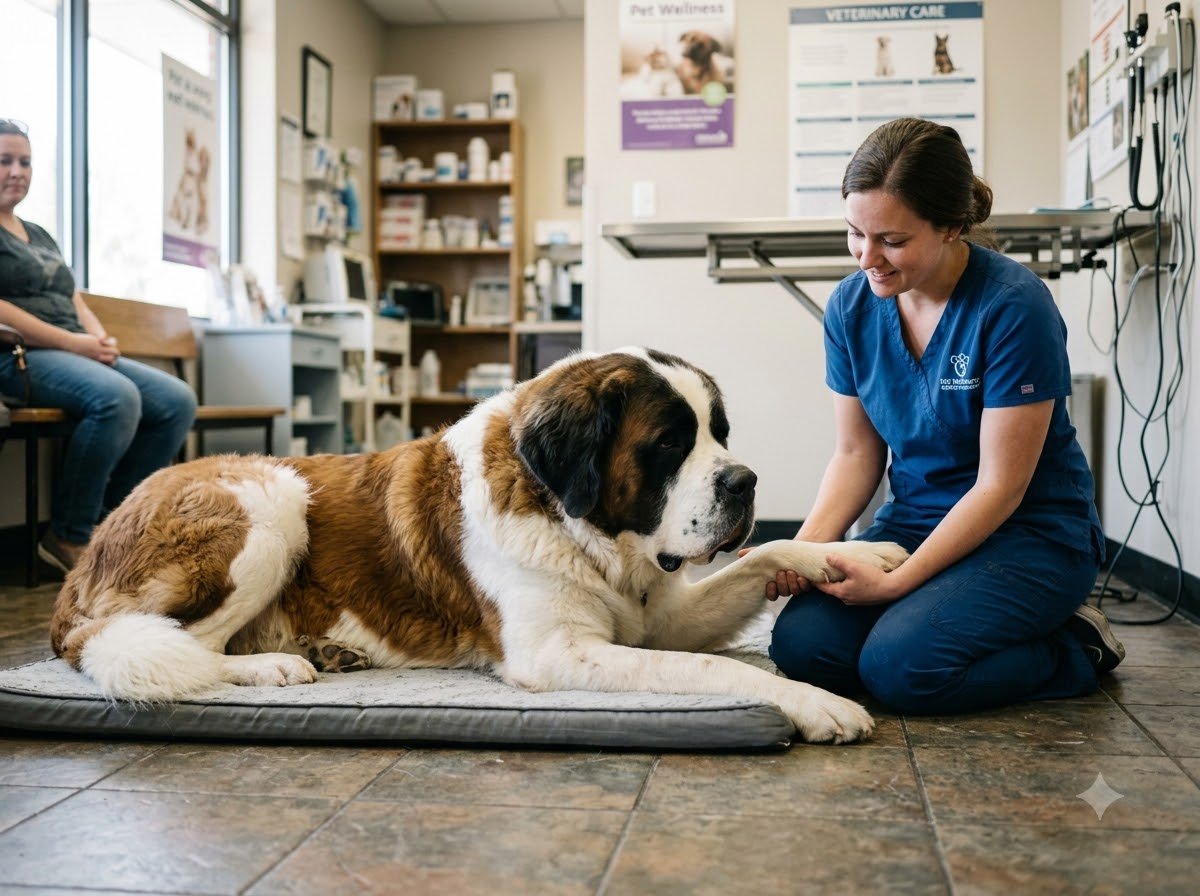
Key Facts

Bred by monks at the Great St. Bernard Hospice for alpine mountain rescue
Famous rescue dog Barry is credited with saving over 40 lives in the early 1800s
One of the largest dog breeds, yet known for a gentle, patient temperament
Historically used to locate travelers buried in snow using scent

Is Saint Bernard Right for You?

Homes with space for a giant breed
Owners who can manage joint health
Families wanting a gentle giant
Hot climates without cooling access
Explore More Breeds →

Photo Gallery

View All Breeds →

The Saint Bernard has a short or long, dense double coat coat in red and white, brown and white with markings, with heavy shedding year-round.

Personality

GentleDespite their massive size, Saint Bernards are known for a calm, patient temperament well suited to families.
PatientTolerates handling and household chaos with notable composure, rarely reactive or easily provoked.
HeroicHistorically bred for life-saving alpine rescue work, reflecting deep loyalty and a protective instinct.
AffectionateEnjoys close contact with family, often unaware of how much space their large body takes up.

Care & Needs

Joint SupportAs a giant breed, controlled growth during puppyhood and joint-supportive nutrition matter significantly for long-term mobility.
Heat ManagementTheir thick coat makes them prone to overheating — limit strenuous activity and ensure shade and water access in warm weather.
GroomingHeavy shedding requires regular brushing, especially during seasonal coat blowouts.
Living SpaceNeeds significant indoor space to move and rest comfortably, along with cooler climates or reliable AC access.

Did You Know?

The famous rescue dog Barry is honored with a statue and a preserved body on display at the Natural History Museum in Bern, Switzerland.

Saint Bernards have been serving humans in many important roles including: Alpine Rescue Dogs and Family Companions .

Health & Common Issues

Hip and Elbow DysplasiaVery common in giant breeds; controlled growth and joint-supportive care during puppyhood help manage lifetime risk.
Bloat (GDV)Deep-chested giant breeds face elevated risk of this life-threatening emergency, managed partly through smaller, more frequent meals.
Heart ConditionsGiant breeds including Saint Bernards can be predisposed to certain cardiac conditions, making regular veterinary screening valuable.

Training & Exercise

  • Begin obedience training early while puppies are still manageable in size, since a fully grown, untrained Saint Bernard is difficult to physically control.
  • Use calm, positive, consistent training — this gentle breed responds poorly to harsh handling.
  • Avoid excessive jumping or high-impact exercise during the first 18-24 months while bones and joints are still developing.
  • Provide moderate, not excessive, exercise, since this breed's ideal activity level is lower than many working breeds.

History & Origin

1600s-1700s Developed by monks at the Great St. Bernard Hospice in the Swiss Alps to assist travelers on a dangerous mountain pass.
Early 1800s A Saint Bernard named Barry became famous for reportedly rescuing over 40 people, cementing the breed's heroic reputation.
1880s The breed was formally standardized and gained international popularity following exhibition at European dog shows.
Today Valued primarily as a gentle family companion, with the breed's alpine rescue heritage remembered as legend.

Frequently Asked Questions

Are Saint Bernards good family dogs?
Yes, generally — their gentle, patient temperament makes them well suited to families, though their giant size means supervision matters to prevent accidental injury from normal movement rather than aggression.
How much space does a Saint Bernard need?
A significant amount indoors to move and rest comfortably, along with a cooler climate or reliable air conditioning, since their thick coat makes heat management a genuine consideration.
Why do Saint Bernards have a shorter lifespan?
Like most giant dog breeds, Saint Bernards have a shorter average lifespan (8-10 years) than smaller breeds, a pattern linked partly to faster growth rates and greater strain on joints and organs.

Related Guides for Saint Bernard Owners

You Might Also Like

Love Saint Bernards?
Get expert tips, care guides & stories straight to your inbox.
No spam Unsubscribe anytime 100% Free