No matches found. Try a different search term.
HomeDog BreedsSamoyed
DOG BREED PROFILE

Samoyed

— Friendly. Gentle. Playful.

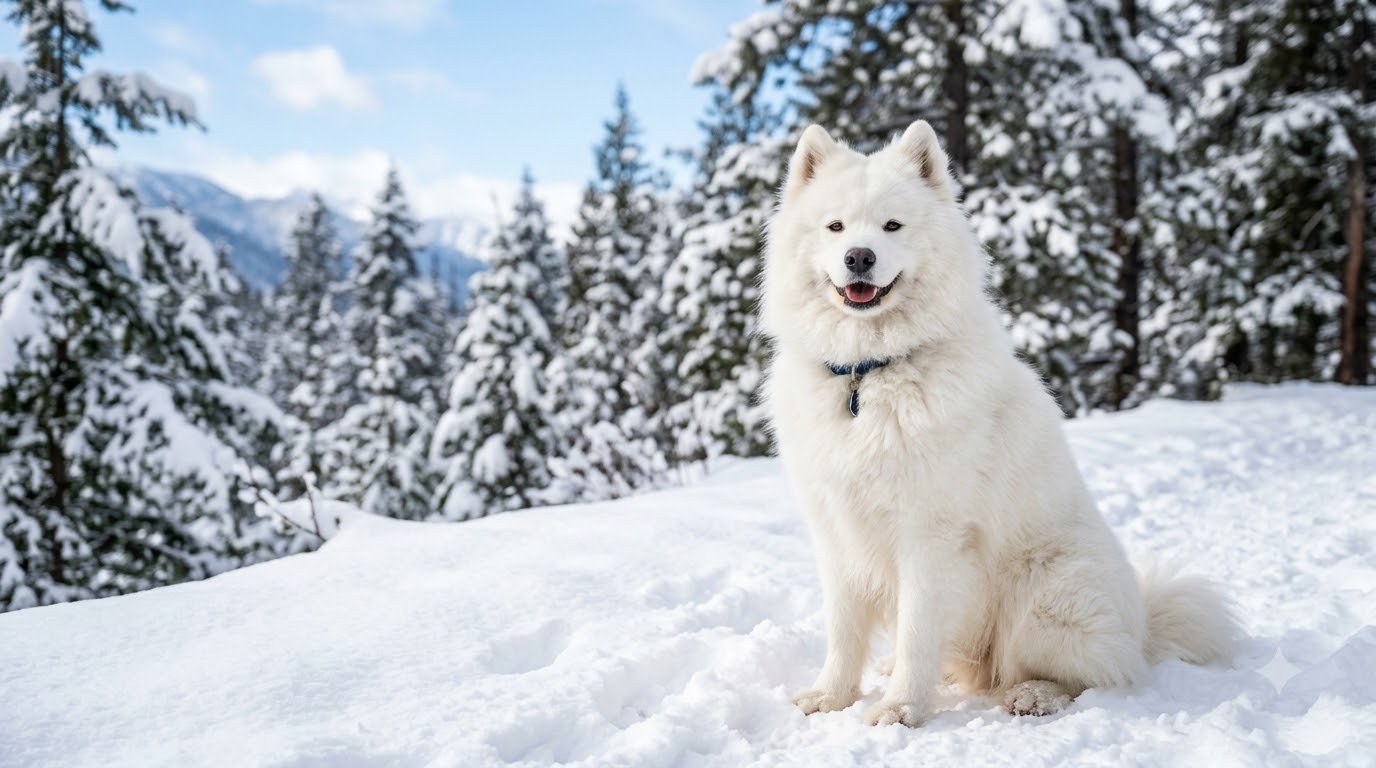
Bred by the nomadic Samoyede people of Siberia to herd reindeer, pull sleds, and sleep alongside families for warmth, the Samoyed is known for its brilliant white coat and famously friendly "Sammy smile." Gentle, playful, and deeply people-oriented, Samoyeds were never bred for guarding, making them poor watchdogs but wonderful companions.

Siberia (Russia)Origin
Working GroupBreed Group
12 - 14 YearsLife Expectancy

QUICK OVERVIEW

Active families
Owners committed to grooming
Cooler climates
Owners wanting a guard dog

About the Samoyed

Bred by the nomadic Samoyede people of Siberia to herd reindeer, pull sleds, and sleep alongside families for warmth, the Samoyed is known for its brilliant white coat and famously friendly "Sammy smile." Gentle, playful, and deeply people-oriented, Samoyeds were never bred for guarding, making them poor watchdogs but wonderful companions.

Last updated: August 12, 2026
Read Full History
Key Facts

Bred by the Samoyede people of Siberia to herd reindeer and pull sleds
Known for a distinctive upturned mouth shape called the "Sammy smile"
Famous for a brilliant, fluffy white double coat built for extreme cold
Historically slept alongside family members inside tents for warmth

Is Samoyed Right for You?

Active families
Owners committed to grooming
Cooler climates
Owners wanting a guard dog
Explore More Breeds →

Photo Gallery

View All Breeds →

The Samoyed has a thick, dense, brilliant white double coat coat in white, white and biscuit, cream, with heavy (seasonal blowouts) shedding year-round.

Personality

FriendlyRarely aloof or aggressive, Samoyeds tend to greet strangers and other dogs with genuine warmth.
GentleKnown for a soft, patient temperament, generally excellent with children and other pets.
PlayfulRetains a puppyish enthusiasm for play well into adulthood.
VocalNaturally prone to barking and vocalizing, a trait from their working heritage as herding and alert dogs.

Care & Needs

GroomingRequires brushing several times weekly to manage their thick double coat, with daily brushing needed during heavy seasonal blowouts.
Exercise60 minutes of daily activity — a genuinely energetic working breed that needs substantial physical outlets.
Cool ClimateTheir thick coat is built for extreme cold, making hot climates significantly more challenging for this breed.
CompanionshipForms close bonds with family and does poorly when isolated for long periods, given their historically close working relationship with people.

Did You Know?

Samoyeds were used on several historic polar expeditions, including Roald Amundsen's successful 1911 journey to the South Pole, where the breed's endurance proved essential.

Samoyeds have been serving humans in many important roles including: Reindeer Herders , Sled Dogs and Polar Expedition Dogs .

Health & Common Issues

Hip DysplasiaA joint condition documented in the breed; screening breeding stock helps manage lifetime risk.
DiabetesSamoyeds have a somewhat elevated documented rate of diabetes compared to many breeds, making weight management and regular checkups valuable.
Progressive Retinal AtrophyA hereditary eye condition documented in the breed that can lead to gradual vision loss.

Training & Exercise

  • Provide substantial daily exercise before expecting good indoor behavior — an under-exercised Samoyed can become vocal or destructive.
  • Use positive reinforcement consistently; this friendly breed responds well to reward-based training.
  • Address vocal tendencies early with consistent training, channeling their natural alertness productively.
  • Establish grooming routines early, since regular brushing will be a lifelong necessity given their coat density.

History & Origin

Ancient Developed by the nomadic Samoyede people of Siberia over centuries for herding reindeer, pulling sleds, and providing warmth.
Late 1800s Brought to Europe by polar explorers who used Samoyeds on Arctic and Antarctic expeditions.
1906 Officially recognized by the American Kennel Club.
Today Valued primarily as a friendly, gentle family companion, retaining the distinctive smile and brilliant white coat that made the breed famous.

Frequently Asked Questions

Are Samoyeds good guard dogs?
No, generally not — bred to be friendly companions rather than protectors, Samoyeds tend to greet strangers warmly, which makes them poor choices for guard duty despite their alert, vocal nature.
Do Samoyeds shed a lot?
Yes, significantly — their thick double coat sheds heavily year-round with intense seasonal blowouts, requiring frequent brushing to manage loose fur.
Are Samoyeds good with children?
Yes, generally — their gentle, playful, patient temperament makes them well suited to families, including households with children and other pets.

Related Guides for Samoyed Owners

You Might Also Like

Love Samoyeds?
Get expert tips, care guides & stories straight to your inbox.
No spam Unsubscribe anytime 100% Free