No matches found. Try a different search term.
HomeDog BreedsShiba Inu
DOG BREED PROFILE

Shiba Inu

— Bold. Independent. Alert.

One of Japan's oldest and smallest native dog breeds, the Shiba Inu was originally bred for hunting small game in mountainous terrain. Bold, independent, and famously cat-like in temperament, Shibas are known for a strong-willed personality and a distinctive vocalization often called the "shiba scream."

JapanOrigin
Non-Sporting GroupBreed Group
13 - 16 YearsLife Expectancy

QUICK OVERVIEW

Experienced owners
Owners who accept an independent temperament
Households with secure fencing
First-time or very passive owners

About the Shiba Inu

One of Japan's oldest and smallest native dog breeds, the Shiba Inu was originally bred for hunting small game in mountainous terrain. Bold, independent, and famously cat-like in temperament, Shibas are known for a strong-willed personality and a distinctive vocalization often called the "shiba scream."

Last updated: August 12, 2026
Read Full History
Key Facts

One of Japan's oldest native dog breeds, designated a natural monument
Often described as having a cat-like, independent personality unusual among dogs
Known for a distinctive high-pitched vocalization nicknamed the "shiba scream"
Naturally clean, often self-grooming similarly to cats

Is Shiba Inu Right for You?

Experienced owners
Owners who accept an independent temperament
Households with secure fencing
First-time or very passive owners
Explore More Breeds →

Photo Gallery

View All Breeds →

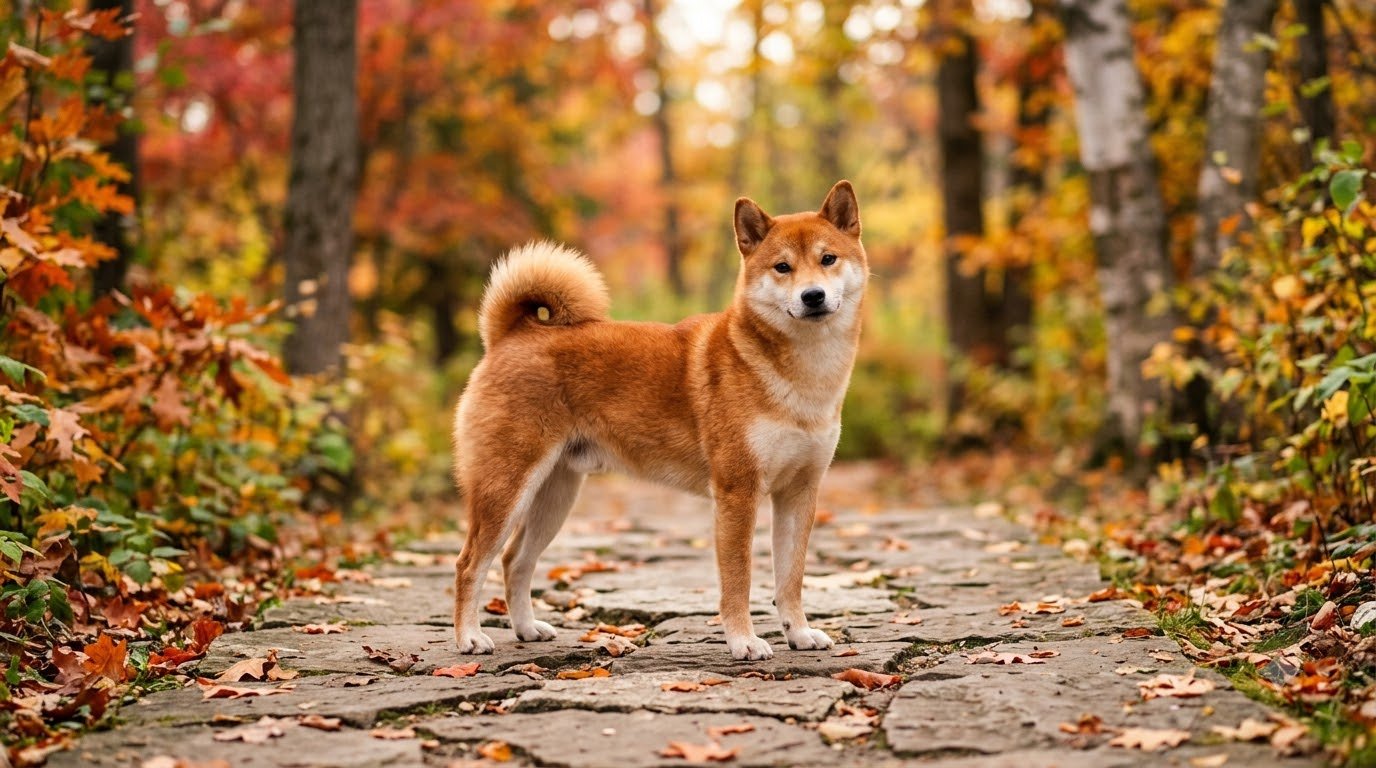
The Shiba Inu has a short, dense double coat coat in red, black and tan, sesame, cream, with high (seasonal blowouts) shedding year-round.

Personality

BoldConfident and self-assured, Shibas were bred for independent hunting decisions in rugged terrain.
IndependentDoesn't seek constant approval the way many dog breeds do, often behaving more like a cat in temperament.
AlertNaturally watchful and quick to react to unfamiliar sights or sounds.
LoyalForms close bonds with family despite their independent streak, though rarely overtly clingy.

Care & Needs

ContainmentA securely fenced yard is essential — Shibas have a strong prey drive and are known for skillful escape attempts.
Exercise45-60 minutes of daily activity; a genuinely active breed despite their compact size.
GroomingBrushing 2-3 times weekly, with significantly more during seasonal coat blowouts.
TrainingRequires patient, consistent, positive-reinforcement training given their independent, sometimes stubborn nature.

Did You Know?

The Shiba Inu became widely known internationally through internet culture, particularly the "Doge" meme, which significantly boosted the breed's global popularity in the 2010s.

Shiba Inus have been serving humans in many important roles including: Small-Game Hunters and Companion Dogs .

Health & Common Issues

Hip DysplasiaA joint condition documented in the breed; screening breeding stock helps manage lifetime risk.
Patellar LuxationA common small-to-medium breed joint issue where the kneecap slips out of place.
AllergiesSome documented predisposition to skin allergies in the breed, sometimes requiring diet or environmental management.

Training & Exercise

  • Use positive reinforcement exclusively — Shibas are independent-minded and respond poorly to harsh correction, often becoming more stubborn.
  • Socialize extensively as a puppy, given their naturally reserved, sometimes reactive temperament with unfamiliar dogs.
  • Never rely on off-leash recall in unfenced areas, given their strong prey drive and escape-artist reputation.
  • Keep training sessions short and rewarding, matching their independent, sometimes easily-bored temperament.

History & Origin

Ancient One of Japan's oldest dog breeds, used for centuries to hunt small game and birds in mountainous terrain.
1920s-1930s Nearly went extinct due to distemper outbreaks and World War II food shortages, before dedicated breeding programs revived the population.
1936 Designated a Japanese natural monument in recognition of its cultural and historical significance.
1954 Introduced to the United States by American servicemen returning from Japan.

Frequently Asked Questions

Are Shiba Inus good for first-time dog owners?
Generally not recommended — their independent, sometimes stubborn temperament and strong prey drive require experienced, consistent handling that can be challenging for first-time owners.
Why do Shiba Inus scream?
It's a well-documented breed vocalization, often triggered by frustration, excitement, or unwanted handling — nicknamed the "shiba scream," it's a normal (if startling) breed trait rather than a sign of pain in most cases.
Are Shiba Inus good with other dogs?
Not always — same-sex aggression and a general independent streak mean careful, gradual introductions and ongoing socialization matter more for this breed than for more naturally sociable breeds.

Related Guides for Shiba Inu Owners

You Might Also Like

Love Shiba Inus?
Get expert tips, care guides & stories straight to your inbox.
No spam Unsubscribe anytime 100% Free