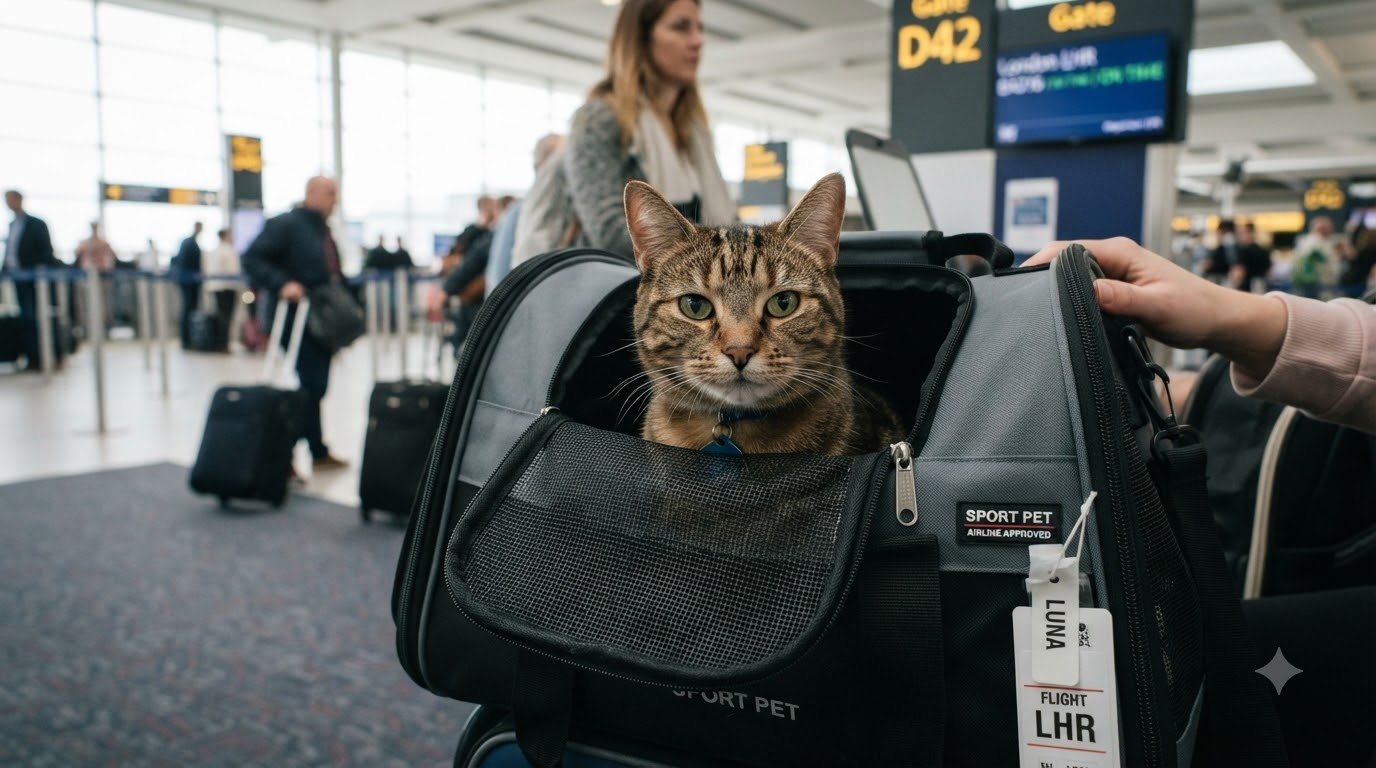
In-cabin pet travel on international flights is possible with many airlines, but policies vary enough by carrier and route that assuming a domestic policy applies internationally is a common and costly mistake.
Why Do Policies Vary So Much by Route?
An airline’s in-cabin pet policy often differs between domestic and international flights, and sometimes between different international destinations on the same airline, due to varying import regulations, aircraft type, and route-specific operational rules. Always confirm the policy for your exact route rather than relying on general airline information.
What Are the Typical In-Cabin Requirements?
- Size and weight: combined pet-plus-carrier weight typically capped around 15-20 pounds, though the exact limit varies by airline
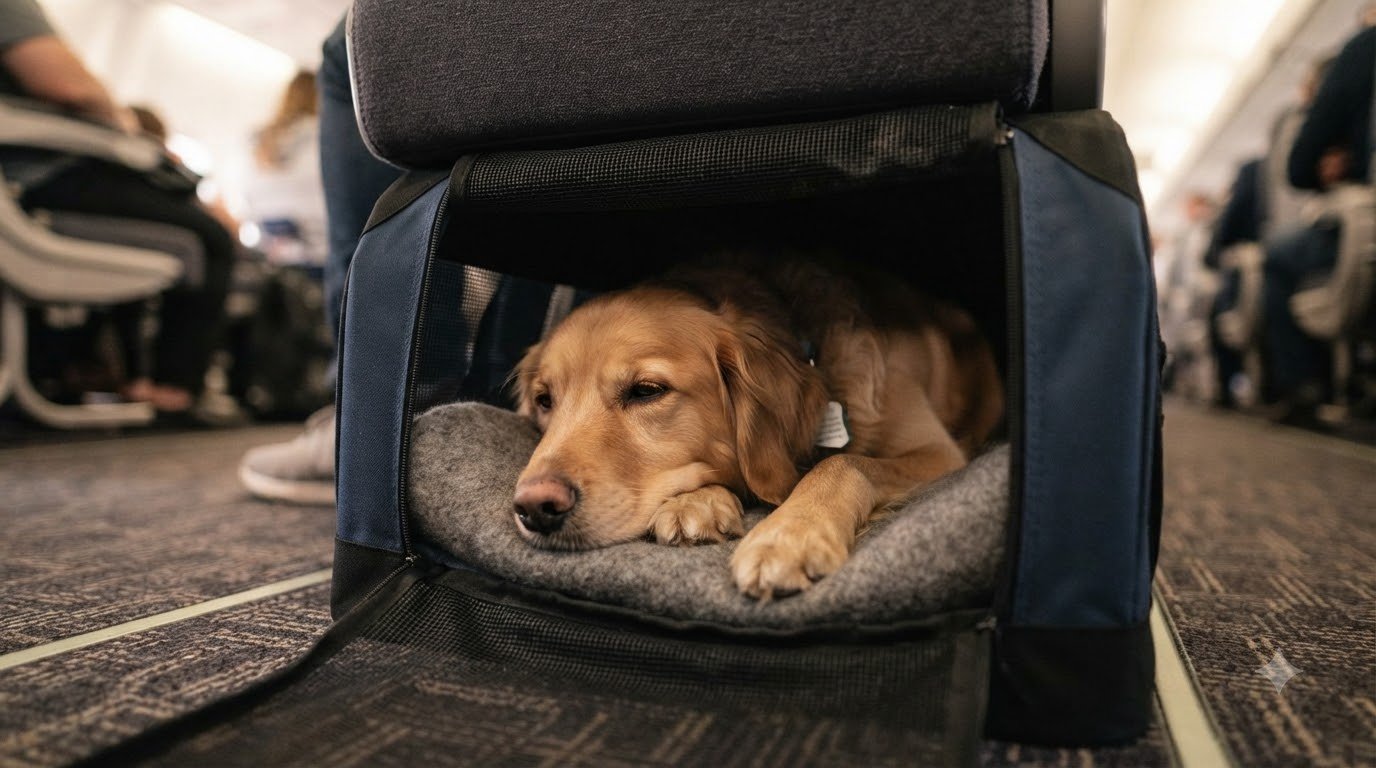
- Carrier type: usually must be a soft-sided, airline-approved carrier that fits fully under the seat in front of you
- Species and breed restrictions: generally limited to small dogs and cats; many airlines exclude or add restrictions for brachycephalic (flat-faced) breeds due to breathing-related travel risk
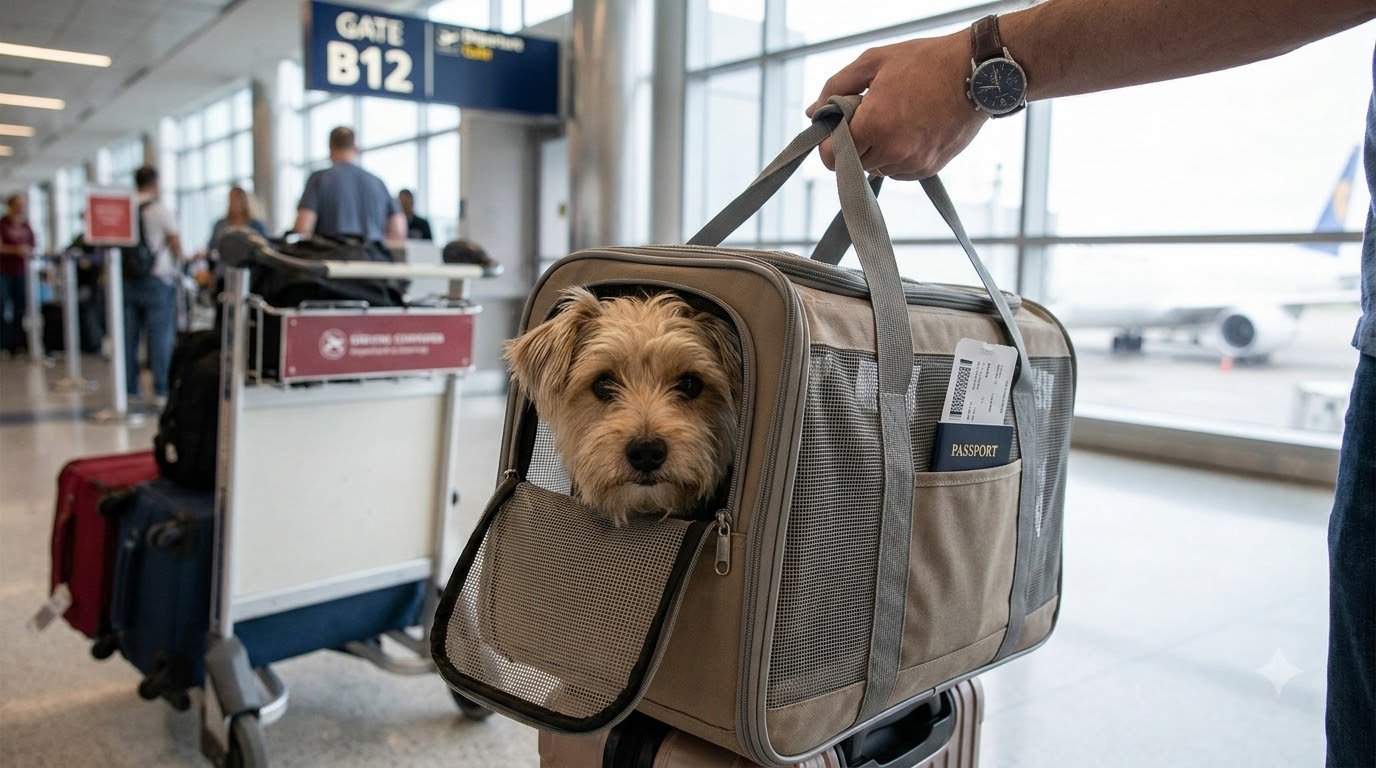
- Documentation: valid health certificate, up-to-date vaccination records, and any destination-specific import paperwork, checked separately from the airline booking
- Advance booking: most airlines cap the number of in-cabin pets per flight, and that allotment often fills before the flight is full, especially on popular international routes
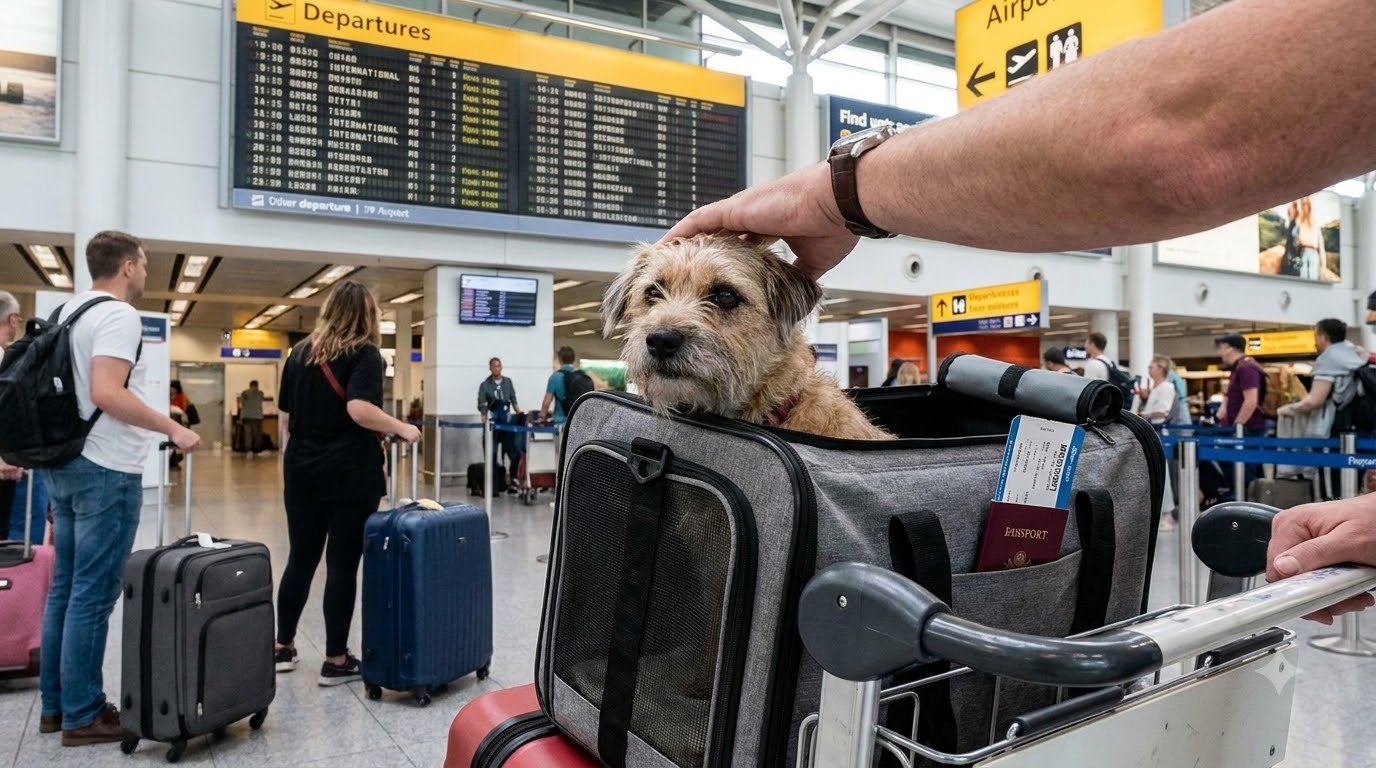
What Should You Confirm Before Booking?
- Whether the specific route allows in-cabin pets at all — some airlines only permit this on certain international routes, not all
- The exact size/weight limit and carrier dimension requirements for that airline
- Any breed restrictions that might apply to your specific pet
- Additional documentation or fees required for the destination country, separate from the airline’s own policy
- How far in advance you need to book the pet’s spot, given per-flight caps
Why Do Larger Pets Face a Different Process Entirely?
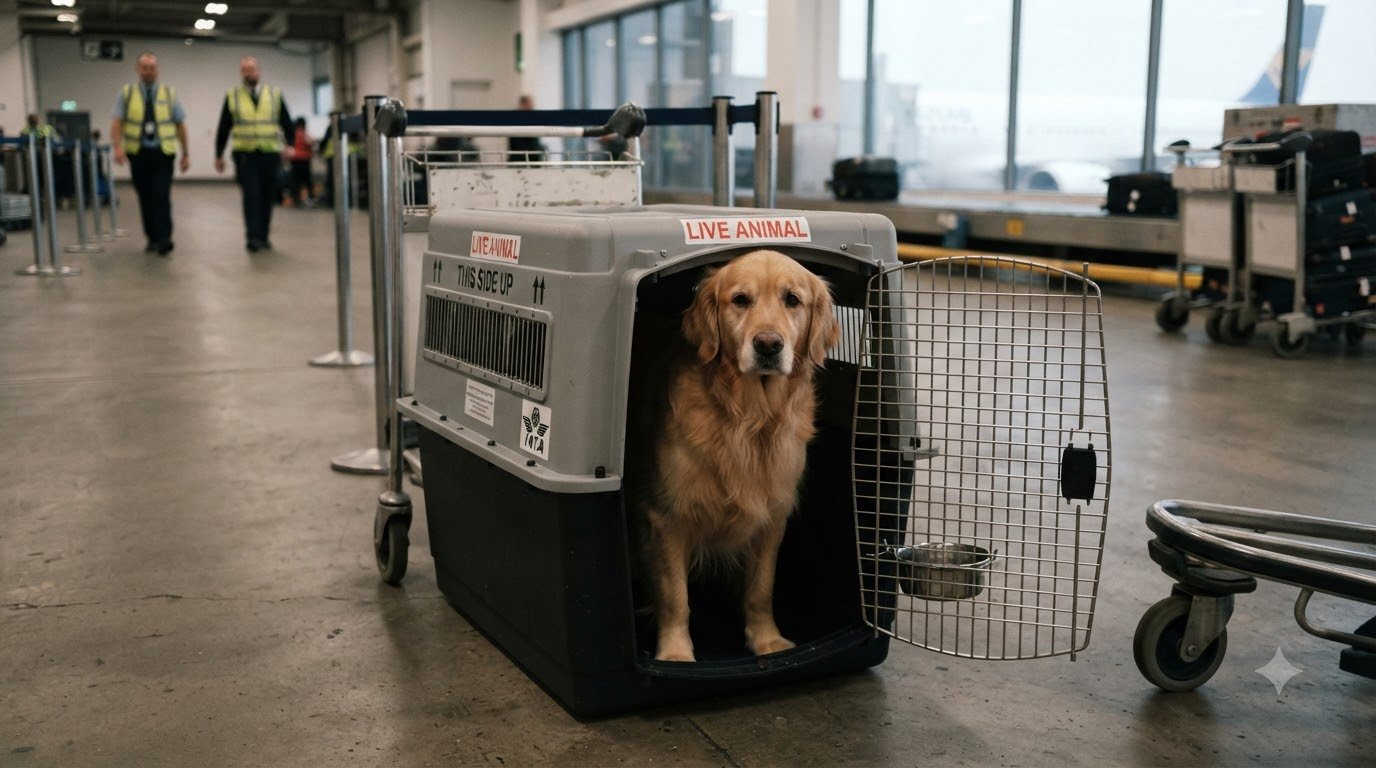
Pets that don’t meet in-cabin size limits typically travel as checked baggage or cargo, which involves different documentation, temperature restrictions, and often additional planning around connecting flights and layover conditions. This is a meaningfully different process from in-cabin travel and should be researched separately if your pet doesn’t qualify for the cabin.
What’s the Best Practical Approach?
Contact the airline’s pet travel department directly — not just the general booking line — to confirm current policy for your specific route, since these policies do change and vary by season and operational factors. Booking pet travel early, and reconfirming details closer to your travel date, reduces the risk of last-minute surprises on what’s already a logistically complex trip.