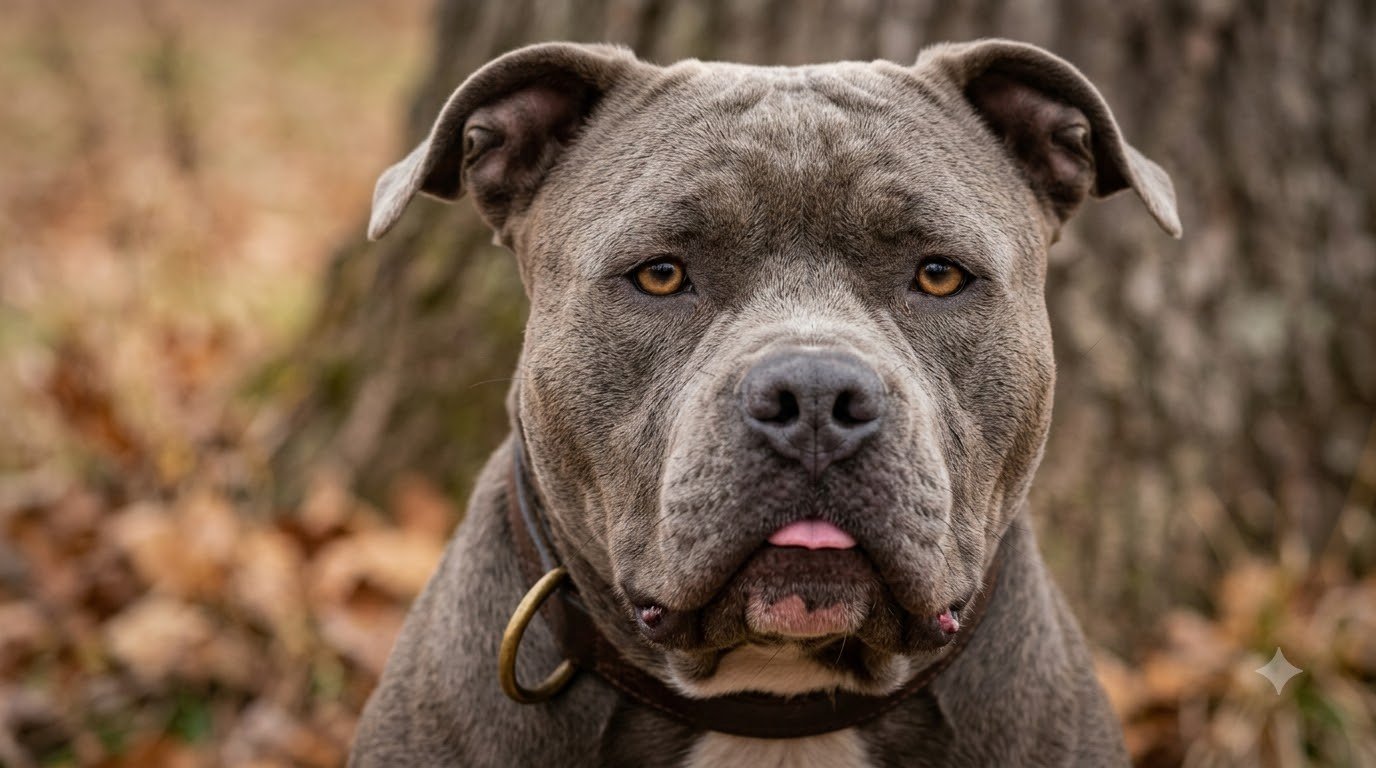
The American Bully is a relatively young breed, developed specifically to be a muscular-looking but even-tempered companion — not a working or fighting dog. Understanding that intent matters for judging what one is actually like to own.
What Is an American Bully?
The American Bully was developed in the United States starting in the 1990s, primarily by crossing the American Pit Bull Terrier with the American Staffordshire Terrier, with some lines incorporating Bulldog or Mastiff influence for added bulk. Breeders selected specifically for a stocky, heavily muscled build and a stable, people-focused temperament, moving deliberately away from the gameness and dog-aggression historically bred into some Pit Bull lines. The United Kennel Club recognized the American Bully as its own breed in 2013; the American Bully Kennel Club (ABKC) maintains the primary breed standard.
What Size Classes Does the American Bully Come In?
- Pocket — the smallest class, generally under 17 inches at the shoulder
- Standard — the most common class, roughly 17-20 inches, heavily muscled build
- Classic — similar height to Standard but a leaner, less bulky frame
- XL — the largest class, generally exceeding 20 inches for males, often 80-150 lbs
These are size classes within one breed, not separate breeds — an XL Bully and a Pocket Bully share the same standard and lineage, just bred toward different ends of the size range.
What Temperament Should You Expect?
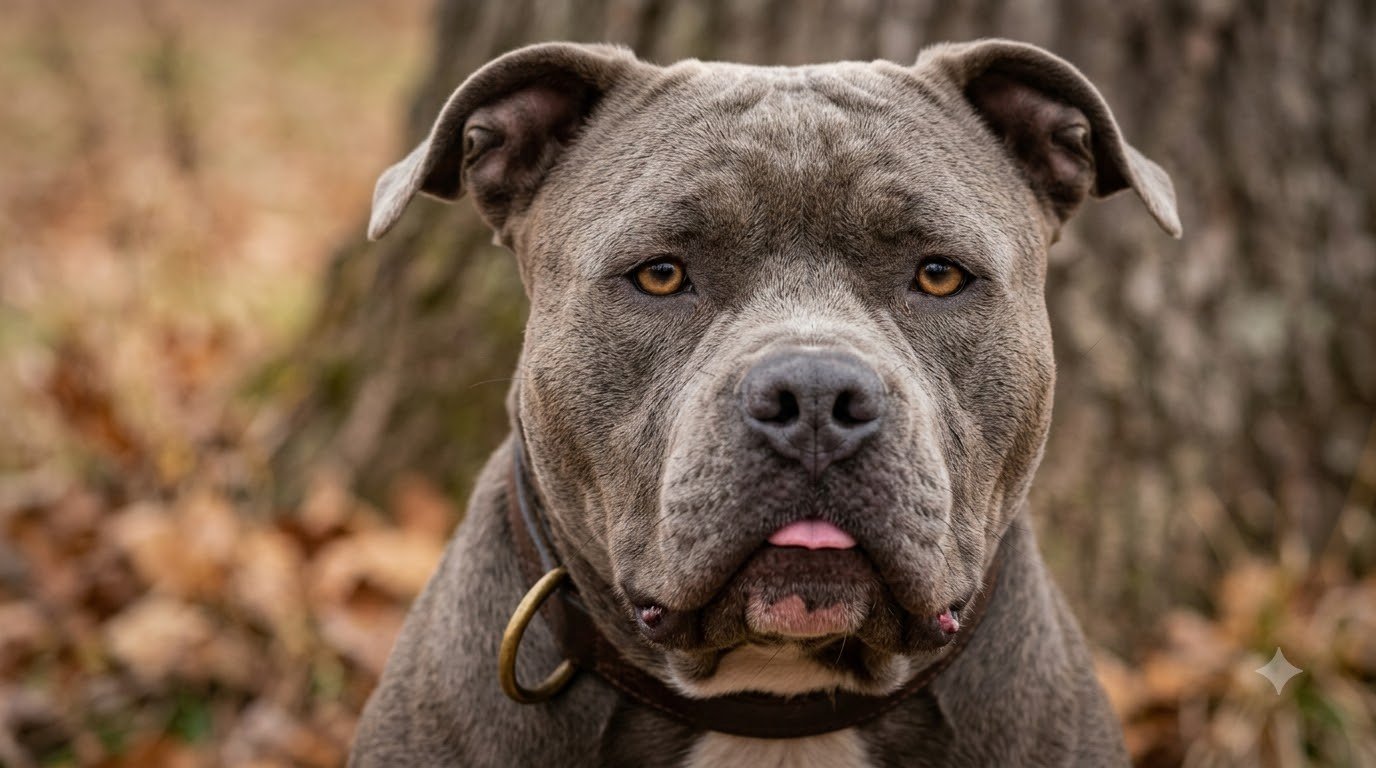
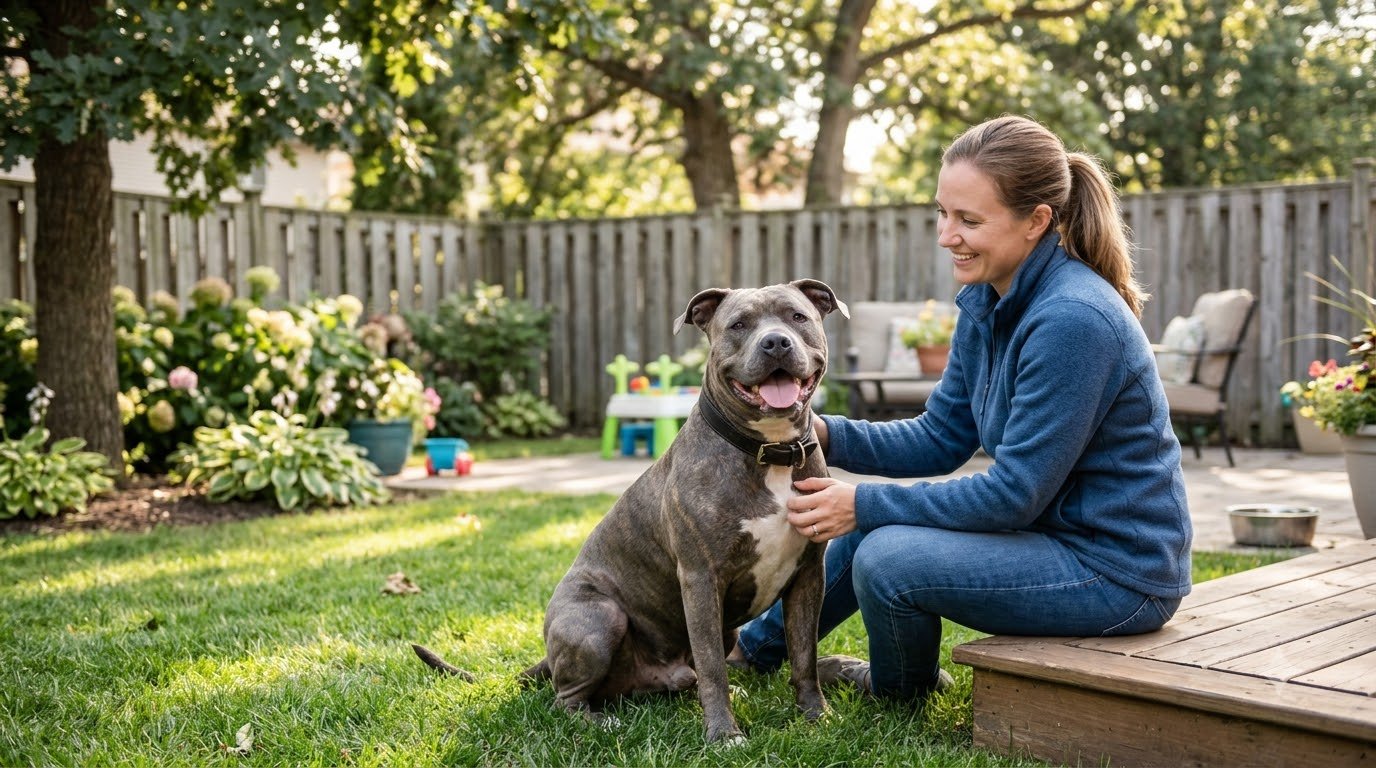
Bred specifically as a companion, the American Bully is commonly described as affectionate, eager to please, and good with familiar children and adults when properly socialized. That said, its strength and size mean training and socialization aren’t optional extras — an American Bully that’s under-socialized or poorly managed is a much harder problem to handle than a smaller breed with the same gap in training.
What Health Issues Are Common in the Breed?
- Hip and elbow dysplasia — a real concern in the heavier-boned XL and Standard classes especially
- Brachycephalic-adjacent breathing issues — some lines with a more compressed face and thick neck can labor more in heat or during exertion
- Skin fold and allergy issues — common in heavily wrinkled individuals, needing regular cleaning
- Joint strain from rapid growth — XL Bullies especially can gain significant weight during puppyhood, and controlling growth rate matters for long-term joint health
What Should You Know Before Getting One?
- Ask breeders for hip/elbow health testing on both parents, regardless of size class
- Plan for real daily structure — training and socialization, not just exercise
- Check your homeowner’s or renter’s insurance and local housing rules before committing, since bully-type breeds are sometimes affected by breed-specific policies even when the individual dog has no history of issues
- Budget for a large-breed dog’s lifetime food, vet, and grooming costs if you’re considering a Standard or XL Bully specifically