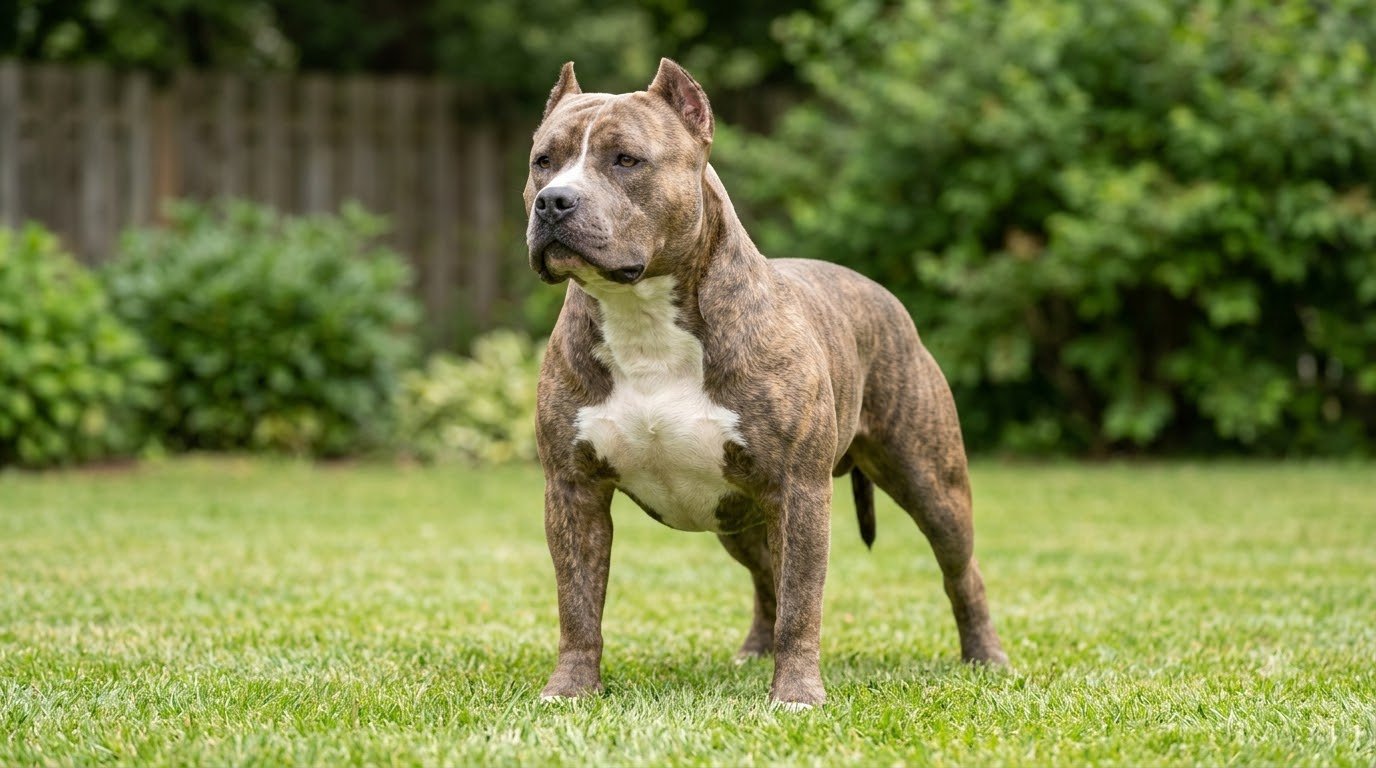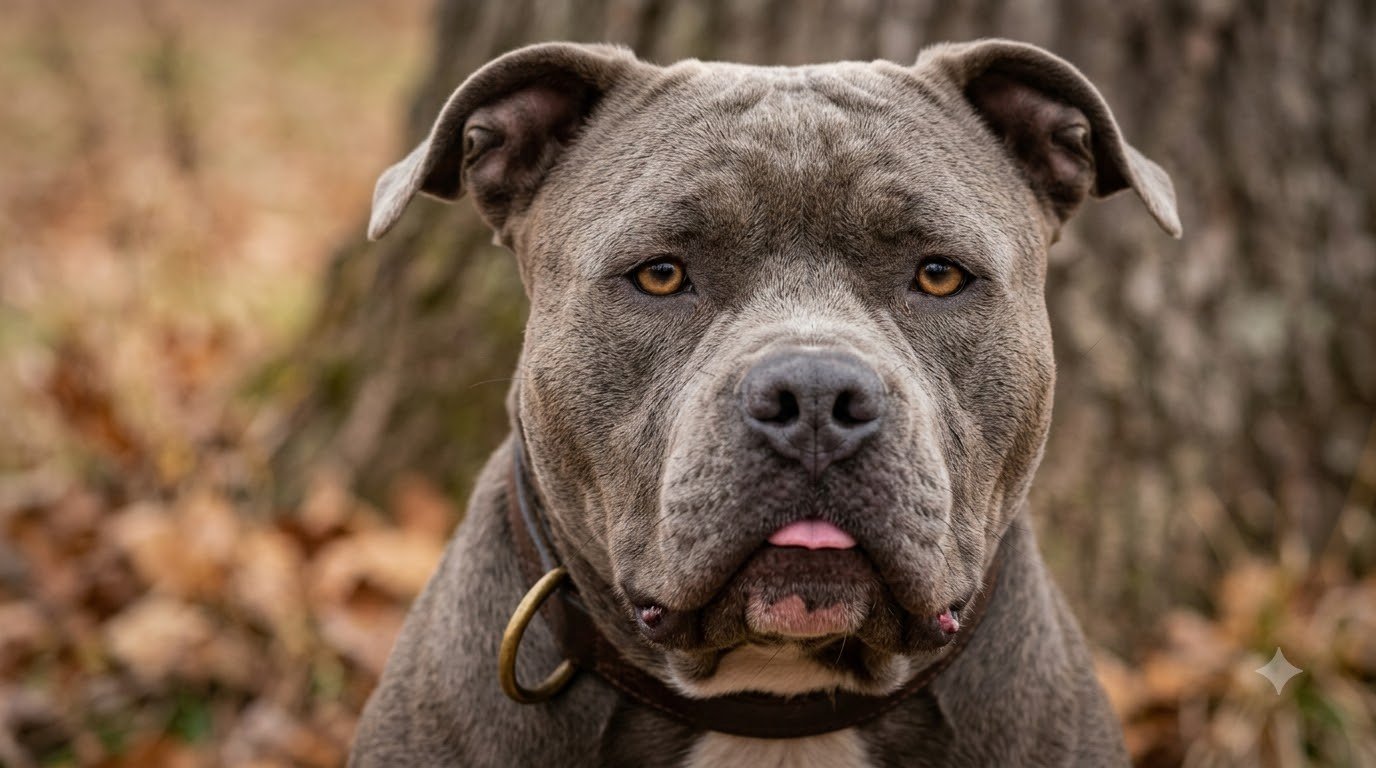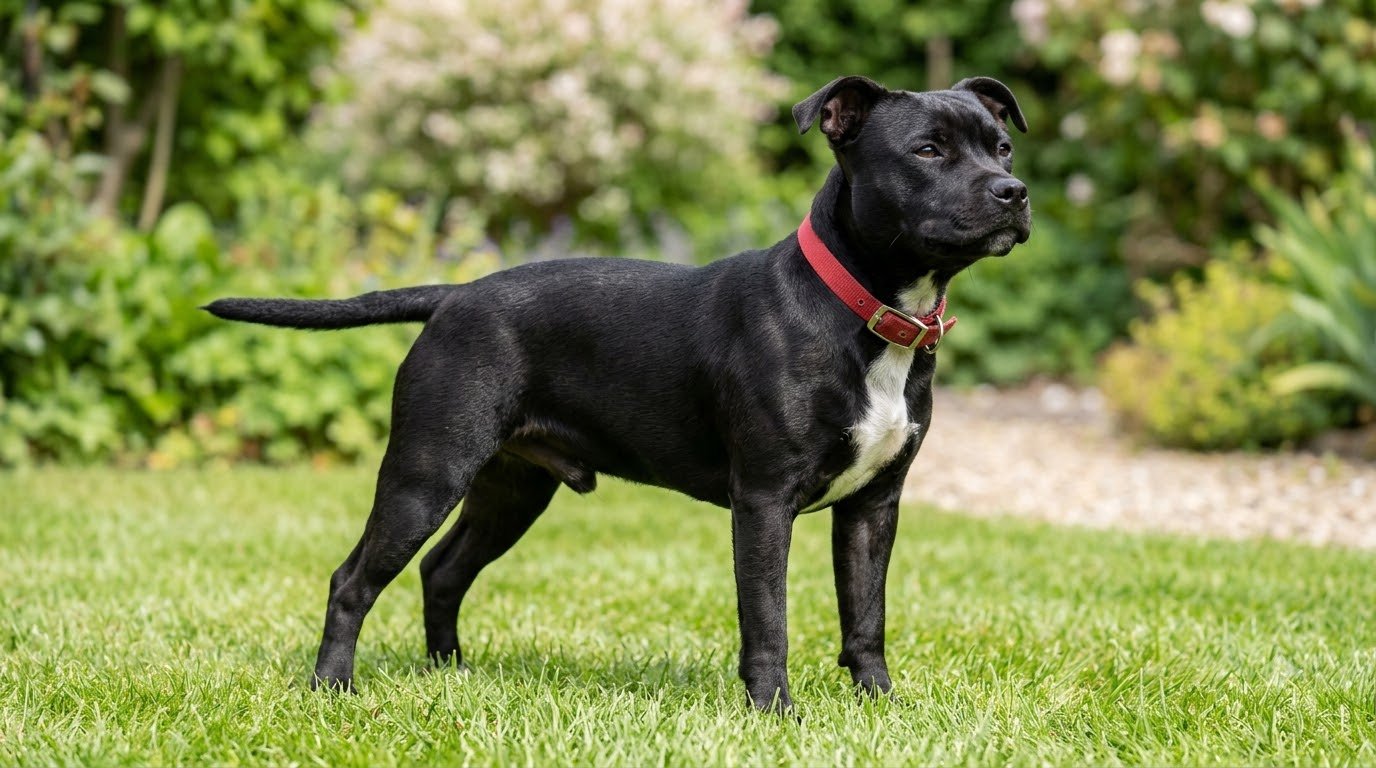
The Bully Kutta shares a name with the American Bully purely by coincidence — this is a centuries-old South Asian mastiff breed with its own history, standard, and temperament, unrelated in lineage to the American breed it’s often confused with online.
What Is a Bully Kutta?
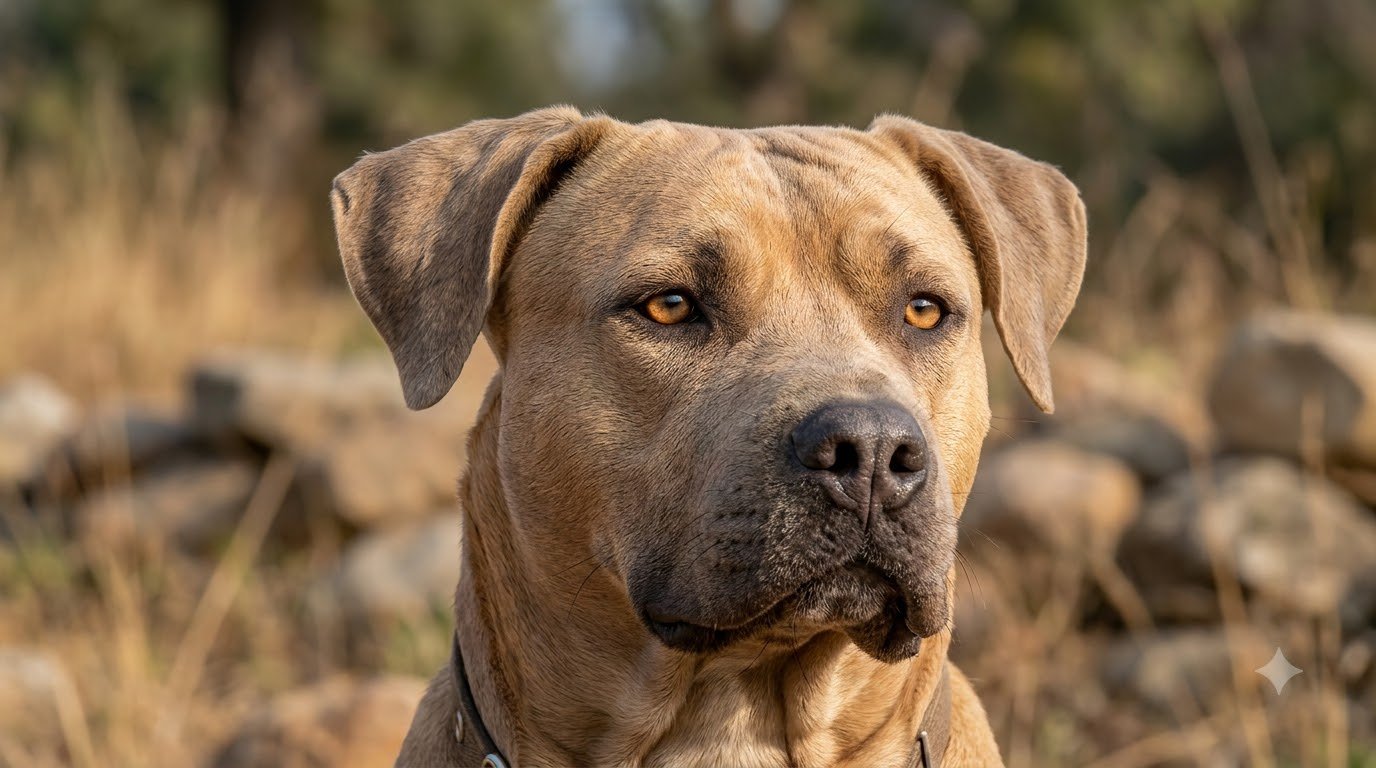
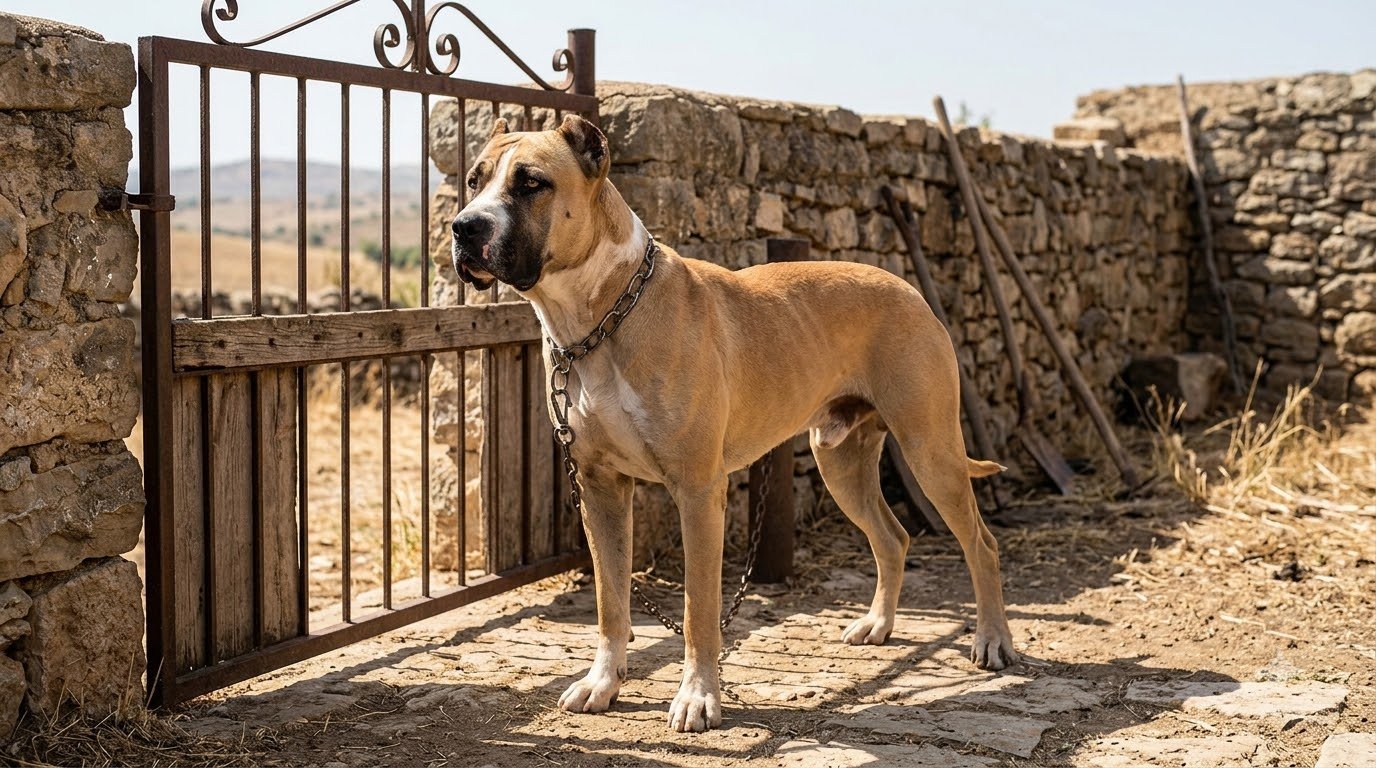
Also known as the Indian Mastiff or Pakistani Mastiff, the Bully Kutta originates from the Indian subcontinent, with some lines tracing back to the 16th century. Historically bred as a hunting dog capable of taking on large game, and later favored as a guard dog, it developed through a mix of local mastiff-type dogs and large working breeds introduced during earlier periods of regional trade and colonization. It’s a working and guardian breed at its core, not a companion breed bred down for a docile temperament the way the American Bully was.
Is a Bully Kutta Related to the American Bully?
No, and this is worth stating plainly because the similar name causes real confusion. The Bully Kutta is a mastiff-type breed from South Asia with an independent, centuries-old lineage. The American Bully is a US breed developed in the 1990s from American Pit Bull Terrier and American Staffordshire Terrier bloodlines. They differ enormously in size, structure, and breeding purpose — a Bully Kutta commonly outweighs even an XL American Bully — and the overlap in name is coincidental, not genetic.
What Temperament and Care Does a Bully Kutta Need?
The Bully Kutta is typically confident, loyal to its family, and naturally wary of strangers — traits consistent with its guarding history. It can be assertive toward other dogs, which makes early, consistent socialization important rather than optional. Its size alone means daily exercise, structured training, and secure containment (a Bully Kutta can be a capable jumper and digger) all matter more than they would for a smaller breed. Coat care is minimal given its short coat, but joint health monitoring matters given its size and rapid growth as a puppy.
What Should You Know Before Getting One?
- This is not a beginner’s breed — most breed guides specifically recommend an experienced, confident owner
- Early socialization with people and other animals is essential given the breed’s natural wariness of strangers
- Secure, tall fencing matters given the breed’s size, strength, and guarding instincts
- Budget for a giant breed’s food, vet, and medication costs, which scale up significantly with body weight
- Check local breed-specific legislation before acquiring one, since some jurisdictions restrict large guardian/mastiff-type breeds by size or by name specifically