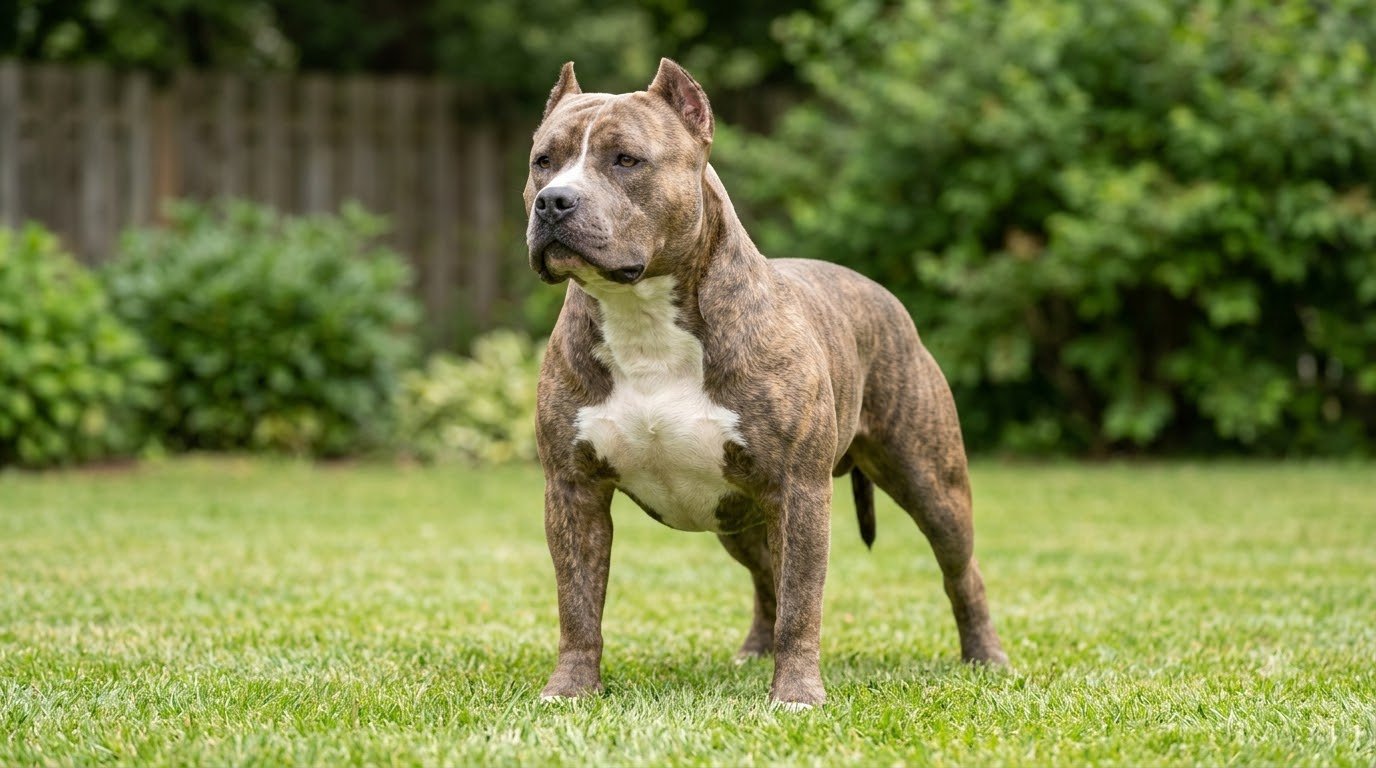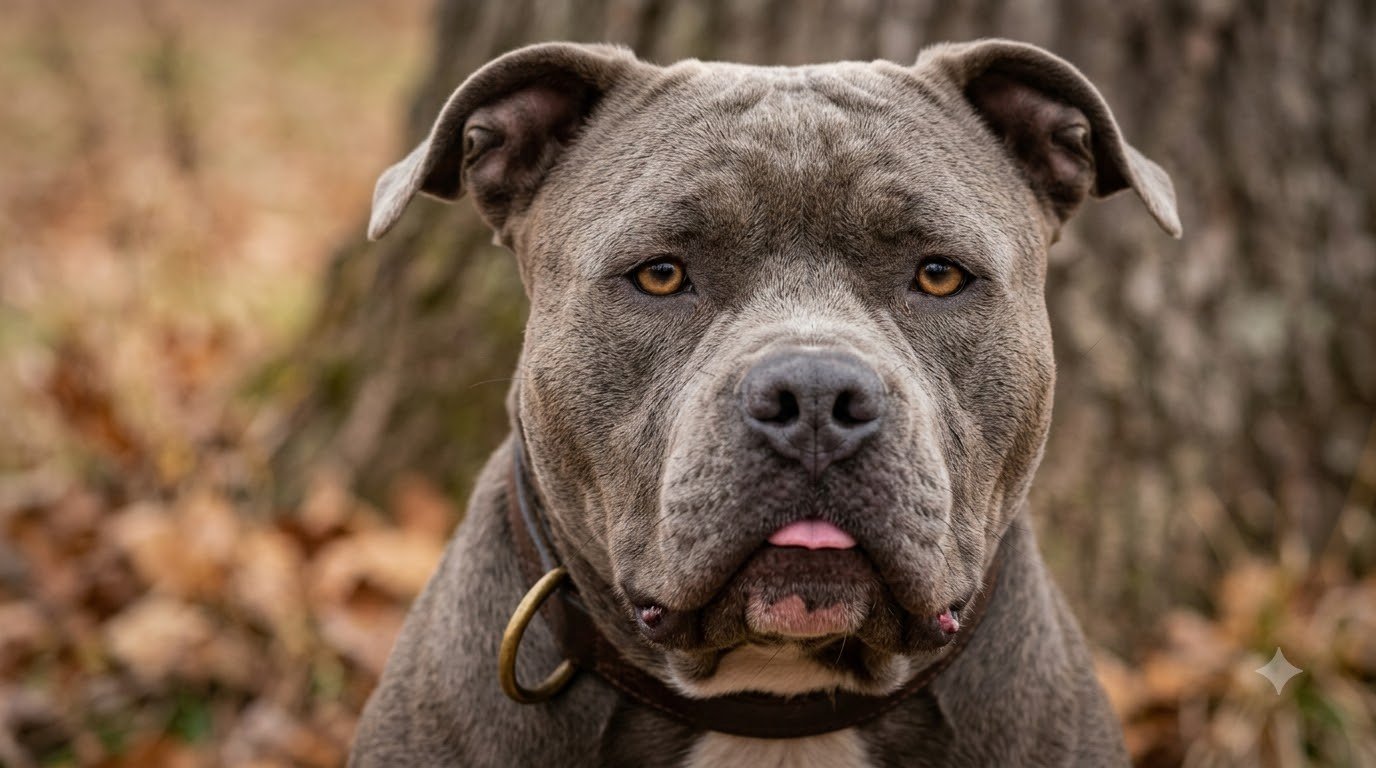
“Bully dog” isn’t a breed at all — it’s an umbrella term covering a whole family of breeds, and understanding where that label actually comes from clears up a lot of confusion about what a “bully breed” dog is actually like to own.
Where Does the Term “Bully Breed” Come From?
The term traces back to Molosser-type dogs bred in medieval Europe for bull-baiting, a bloodsport where dogs were bred for gripping strength and tenacity against much larger animals. When bull-baiting was outlawed, breeders redirected those bloodlines toward companionship, guarding, and later toward dogfighting in some lines — which is part of why “bully breed” carries an outsized reputation today that doesn’t reflect what the modern versions of these breeds are typically like.
Which Breeds Count as Bully Breeds?
- American Pit Bull Terrier and American Staffordshire Terrier — often the breeds people picture first
- American Bully — a newer, purpose-bred companion breed descended from the above
- Staffordshire Bull Terrier and Bull Terrier — British bully breeds with their own distinct standards
- Bullmastiff and Boxer — larger Molosser-descended bully breeds, less commonly labeled this way but sharing the ancestry
- Bulldog varieties (English, French, American) and even Boston Terriers and Pugs — smaller companion breeds still classified under this umbrella by physical resemblance and shared history

Are Bully Breeds Naturally Aggressive?
No — the term describes shared ancestry and a general physical type, not temperament. Most bully breeds today have been bred for generations specifically as companion or family dogs, and studies on dog behavior consistently find that individual temperament is shaped far more by socialization, training, and specific lineage than by breed category alone. The reputation many bully breeds carry is disproportionate to what’s actually documented about typical individual behavior, though their strength and size still make training and socialization genuinely important, as with any powerful breed.
What Should You Actually Judge Before Getting a Bully Breed?
- Meet the individual dog or, for a puppy, its parents — temperament varies far more within the bully category than the umbrella term suggests
- Ask about the specific breed or mix, not just “bully,” since care needs and size range enormously across this group
- Check local breed-specific legislation and your insurance/housing situation, since many restrictions target “bully breeds” broadly rather than any one specific breed
- Prioritize a breeder or shelter that’s transparent about lineage and any known behavioral history