“Beginner-friendly” among exotic pets doesn’t mean low-effort — it means the species is more tolerant of small mistakes, has widely available care information, and doesn’t require rare or highly specialized equipment. A handful of species genuinely fit that description; many popularly sold “easy” exotics don’t.
What Makes an Exotic Pet Actually Beginner-Friendly?
A few consistent traits separate genuinely manageable first exotic pets from ones that only look easy in a pet store:
- A tolerant temperature and humidity range, so small fluctuations don’t cause immediate health problems
- Well-documented care requirements, since decades of keepers means fewer unknowns and more reliable information
- Predictable, available diet, ideally something that doesn’t require live feeder insects that need their own care
- Calm temperament, especially for species that will be handled regularly
Which Reptiles Suit Beginners?
Leopard geckos are widely considered one of the most manageable pet reptiles — they’re small, docile, don’t require UVB lighting (though many keepers now provide low-level UVB as a best practice), and eat a straightforward insect diet.
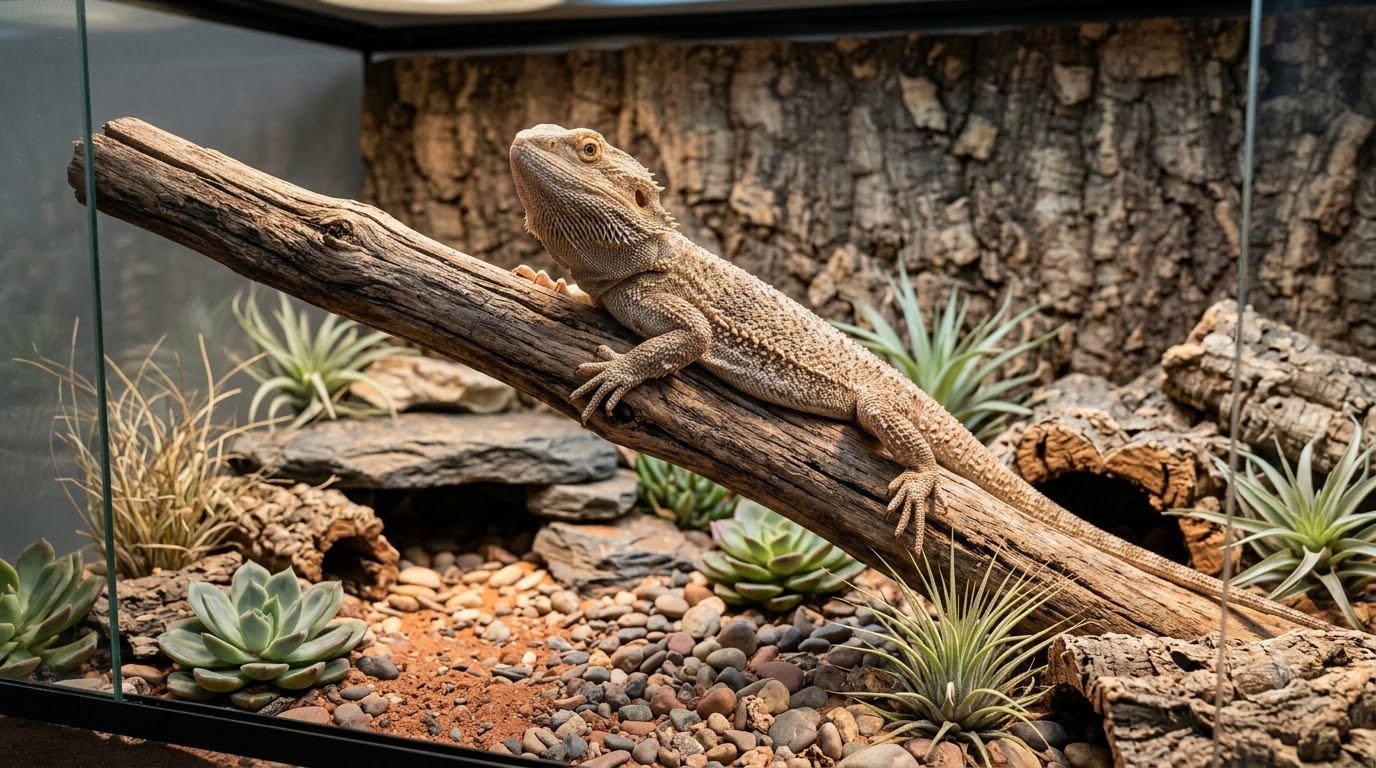
Bearded dragons are similarly popular for beginners: calm, often described as enjoying gentle handling, and well-documented — though they do need UVB lighting and a larger enclosure as adults than many first-time owners expect.
Corn snakes are a common beginner snake recommendation — manageable size, calm temperament, and infrequent feeding (often just once every week or two as adults) makes them lower-maintenance day-to-day than many other exotics.
Which Small Exotic Mammals Are More Demanding Than They Look?
Sugar gliders and hedgehogs are frequently marketed as easy “pocket pets,” but both have care requirements that catch new owners off guard — sugar gliders are highly social and can struggle without a same-species companion, and both have specific dietary needs that are easy to get wrong with generic pet-store food.
Which Birds Suit First-Time Bird Owners?
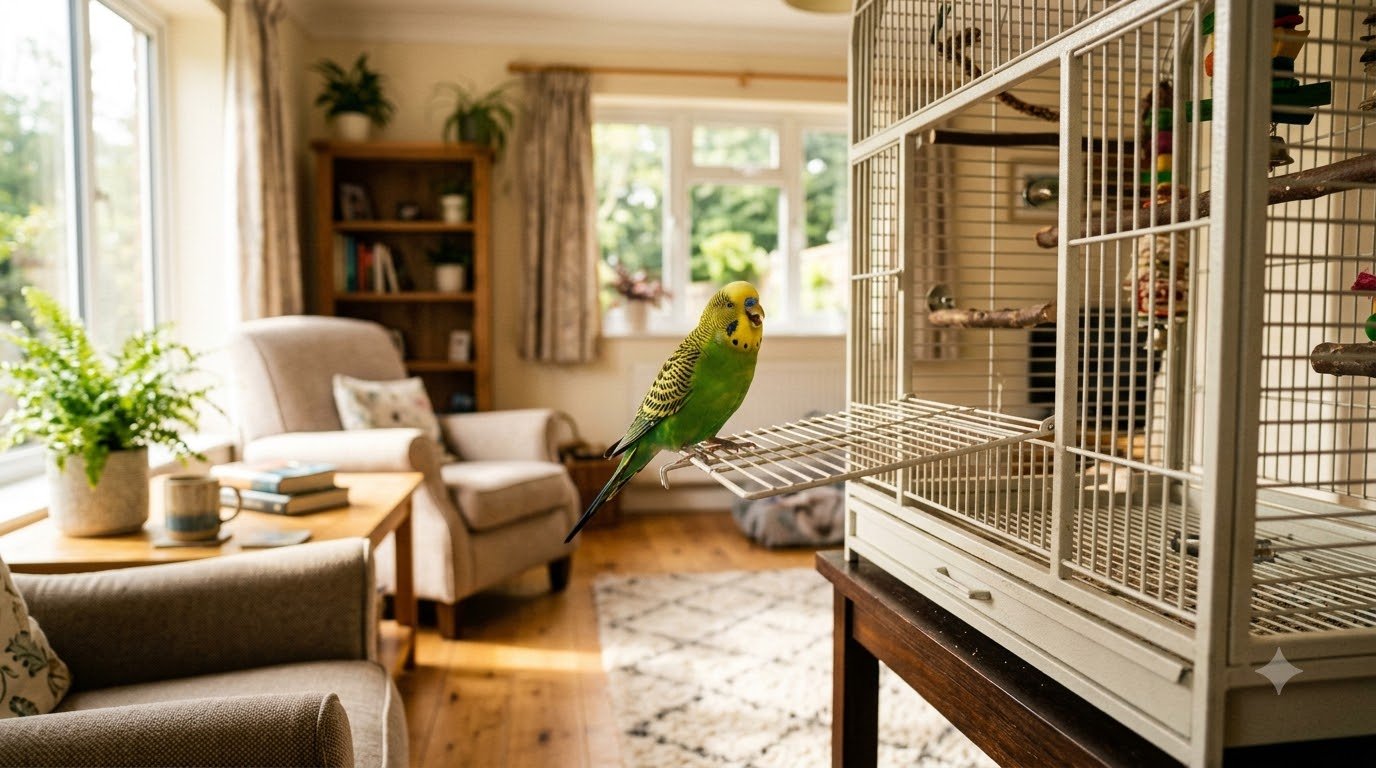
Budgies and cockatiels are the most commonly recommended beginner birds — smaller, less expensive, and generally more tolerant of a learning-curve owner than larger parrot species, which can live 40+ years and have considerably more complex social and behavioral needs.
What Should You Confirm Before Choosing Any of These?
- That the specific species is legal to own in your state and city
- That you can source the correct enclosure, heating/lighting, and diet locally or online reliably
- That a vet with exotic-animal experience is reasonably accessible to you
- That you’re prepared for the animal’s full adult size and lifespan, not just how it looks as a juvenile