Small living space rules out very little in pet ownership — it mostly changes which pets fit well without extra effort, and which ones need more deliberate management to work.
What Actually Matters for Apartment-Friendly Pets?
Space itself is only one factor. Noise level, exercise needs, and how self-contained the pet’s care routine is all matter as much as, or more than, square footage:
- Noise, since thin walls and close neighbors make a loud pet a bigger issue than in a detached house
- Exercise needs, since a high-energy pet in a small space without an outlet tends to develop behavior problems
- Odor and cleanup, since smells and mess are more noticeable and harder to contain in a smaller footprint
Which Pets Suit Small Spaces Well?
Cats are consistently one of the best-suited pets for apartment living — they don’t need outdoor walks, are naturally territorial in a way that adapts well to a defined indoor space, and mainly need room for a litter box, scratching post, and some vertical space (a cat tree) rather than square footage.
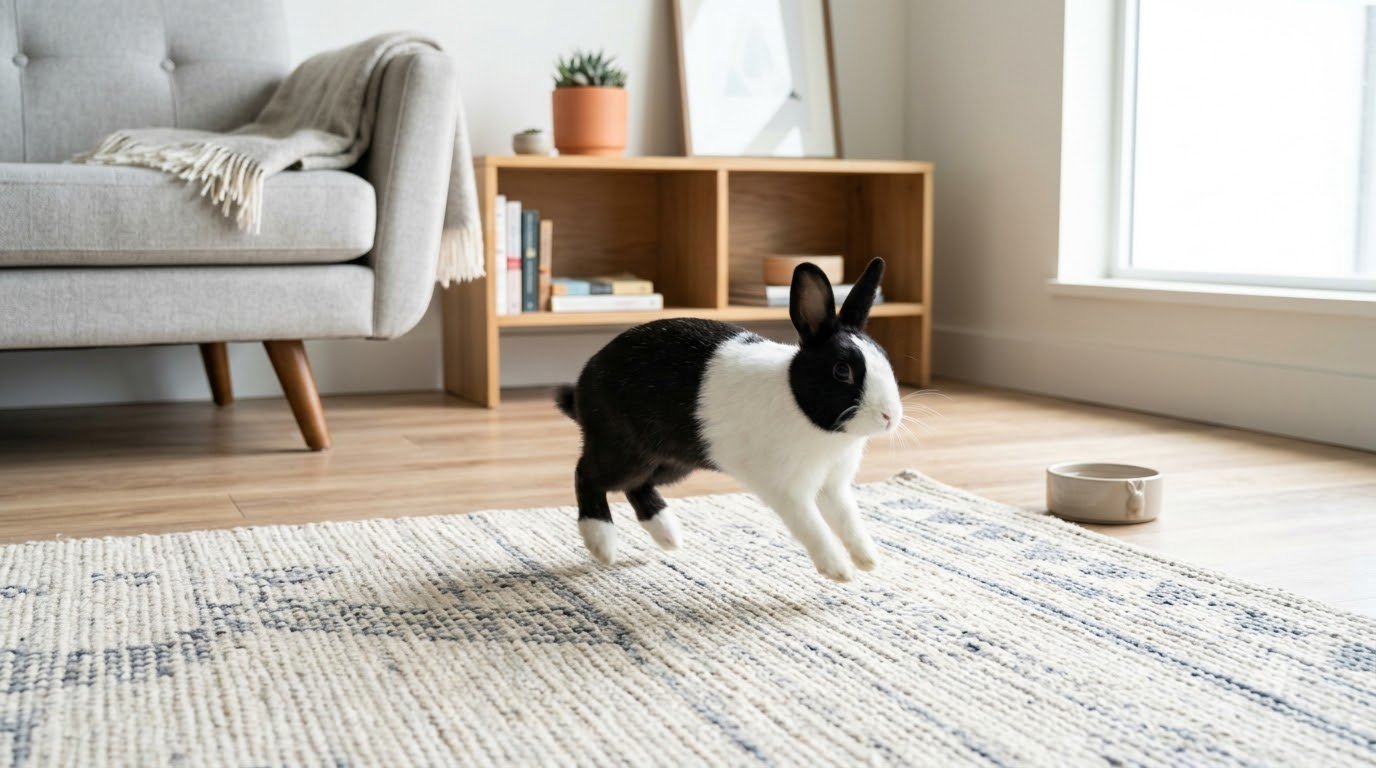
Rabbits are quieter than most people expect, can be litter trained, and don’t require outdoor access — though they do need daily supervised exercise time outside their enclosure to stay healthy and happy.
Guinea pigs and hamsters have genuinely small space requirements and straightforward routines, making them a common and reasonable choice for smaller apartments, though they’re better suited as their own pet than as a substitute for a more socially interactive one.
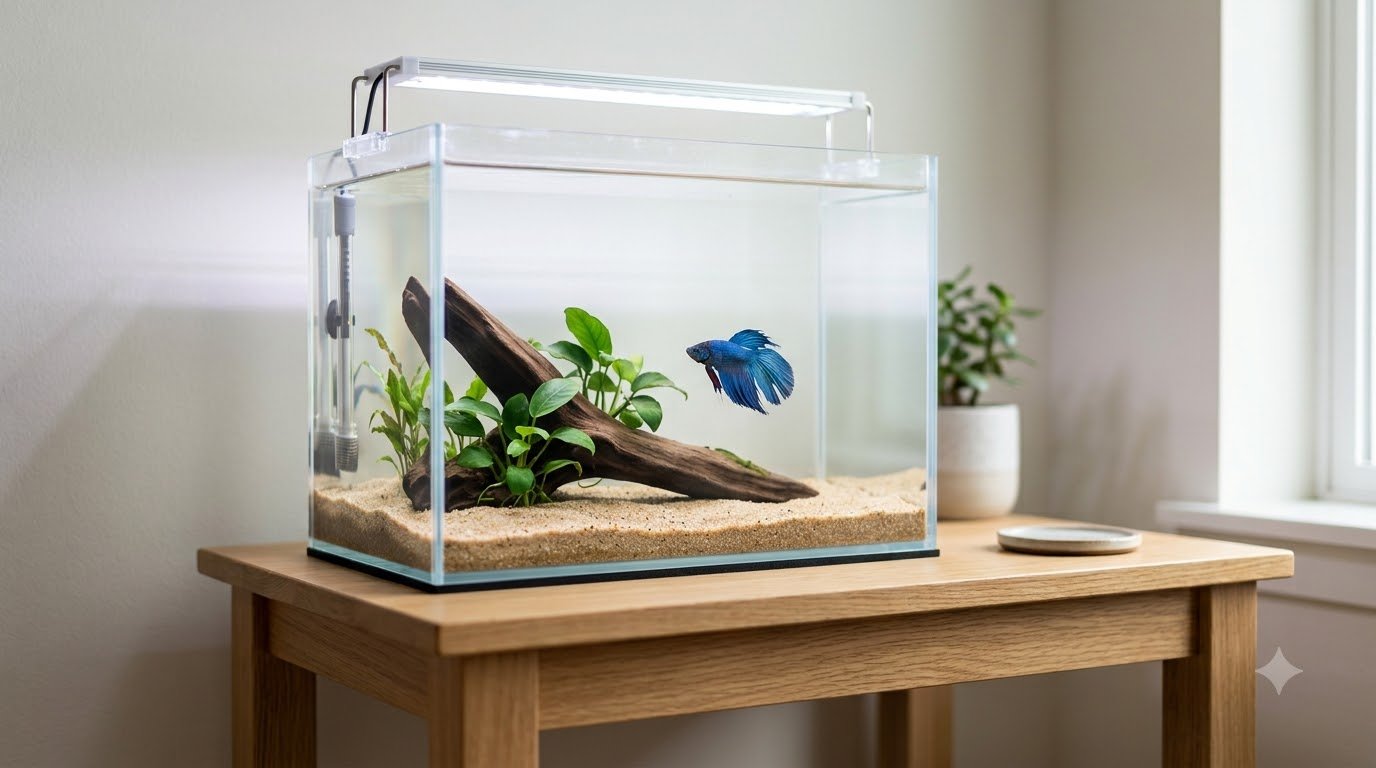
Fish require essentially no floor space beyond the tank itself, no walks, and no noise — a strong option for renters with strict pet policies or very limited space, though tank size still needs to match the species properly.
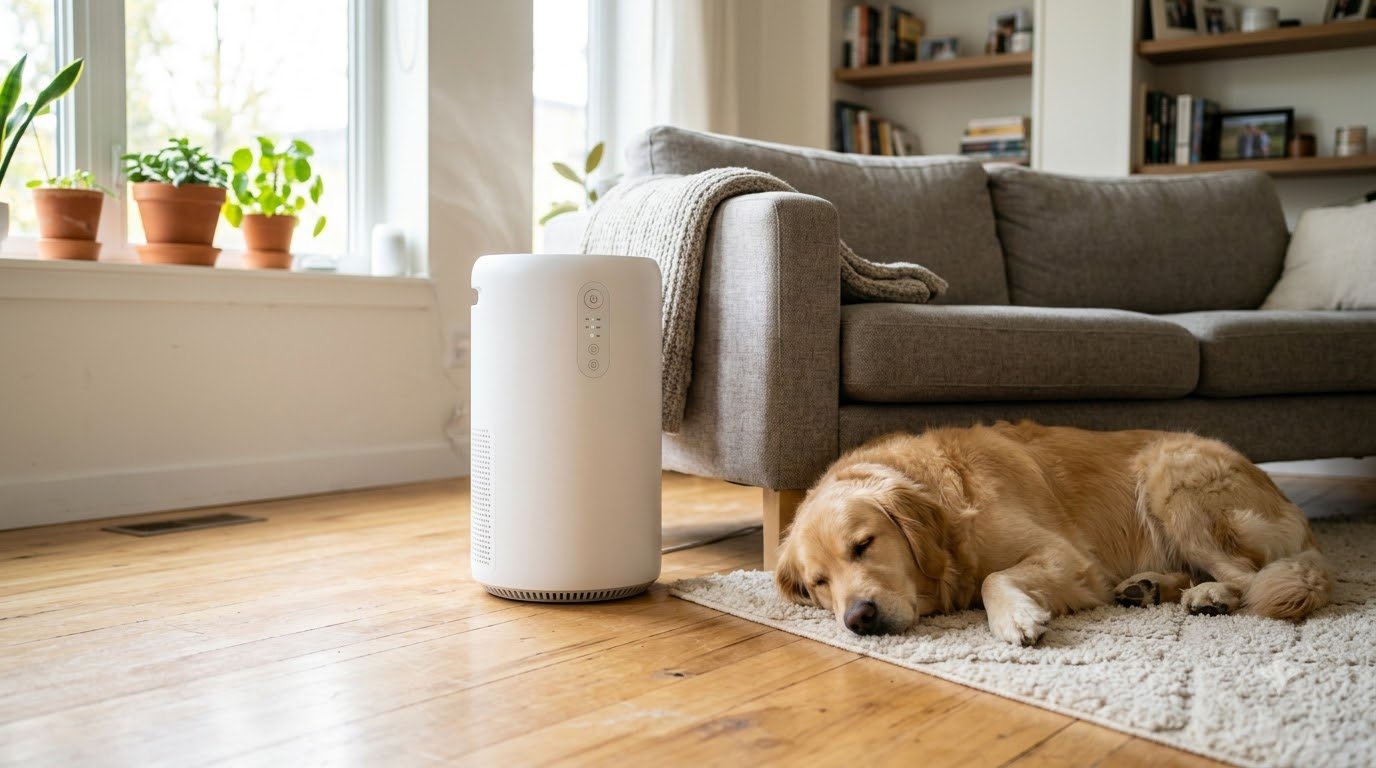
Small or calm dog breeds can do well in apartments, but success depends more on matching a specific dog’s energy level and exercise needs to your daily routine than on size alone.
Which Pets Are Harder to Manage in a Small Space?
High-energy large dog breeds bred for work or endurance (working and herding breeds especially) generally struggle in an apartment without a very committed daily exercise routine — not because of size, but because their energy needs are harder to fully meet indoors. Birds, while physically small, can also be a surprising challenge: several common pet species are considerably louder than their size suggests, which matters more in an apartment than a house.
How Should You Actually Decide?
- Be honest about your daily schedule and how much active exercise or attention you can realistically provide
- Check your lease or HOA rules for pet restrictions, weight limits, or breed restrictions before choosing
- Consider noise tolerance for your specific building — some pets that are “fine” in a house become a bigger issue with shared walls
- Match the specific animal’s needs to your space, not just the general species — a calm, older dog and a high-energy puppy of the same breed are very different apartment fits