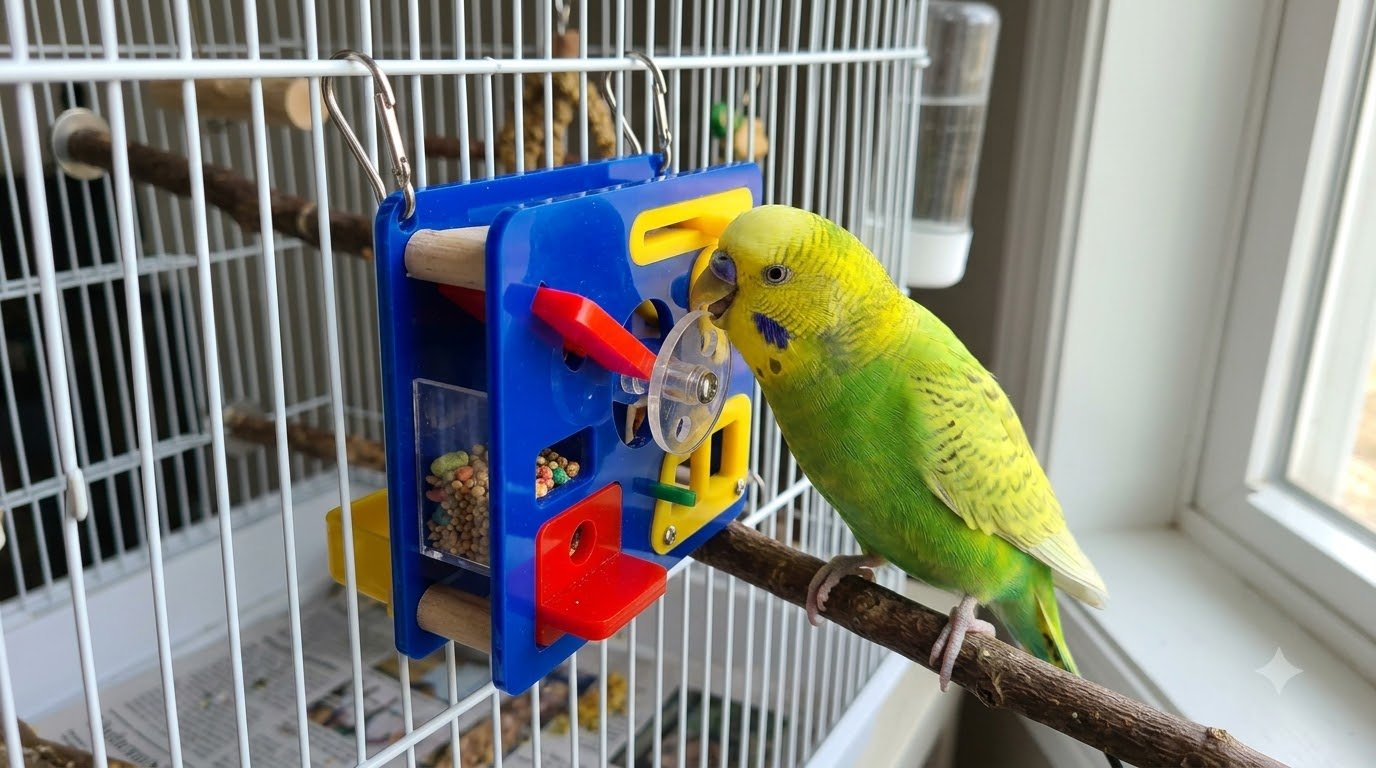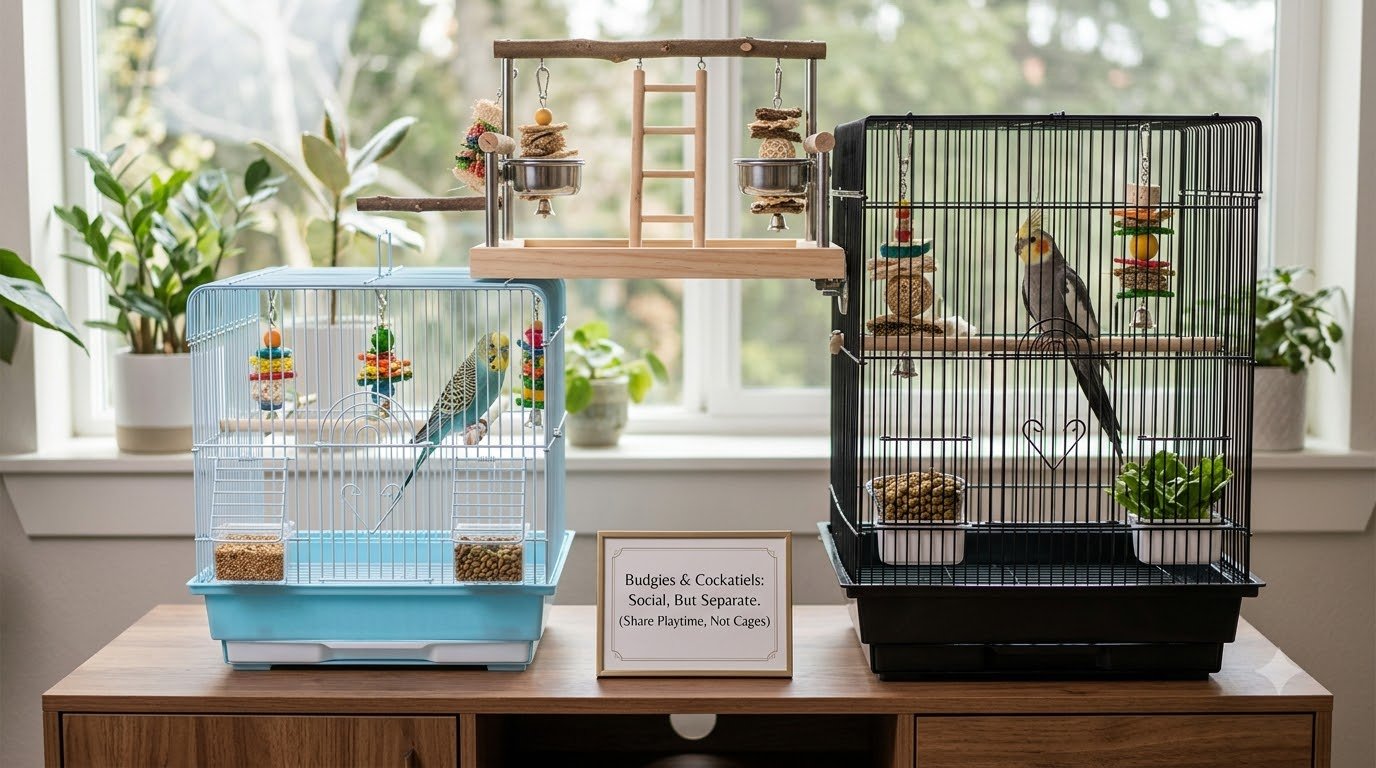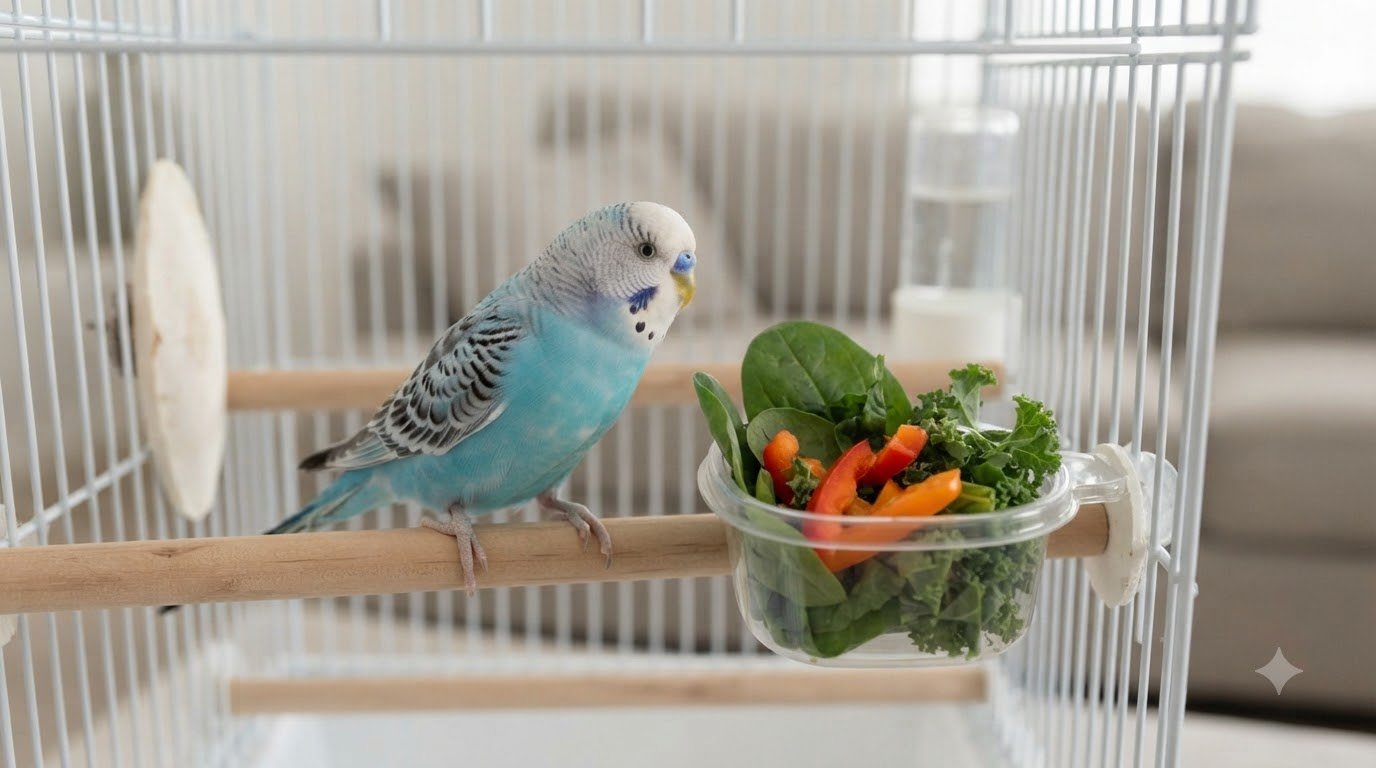
Choosing the right first pet bird matters more than most new owners expect — species differences in noise level, lifespan, and social needs are large enough that the wrong match often ends in a bird being rehomed within the first year.
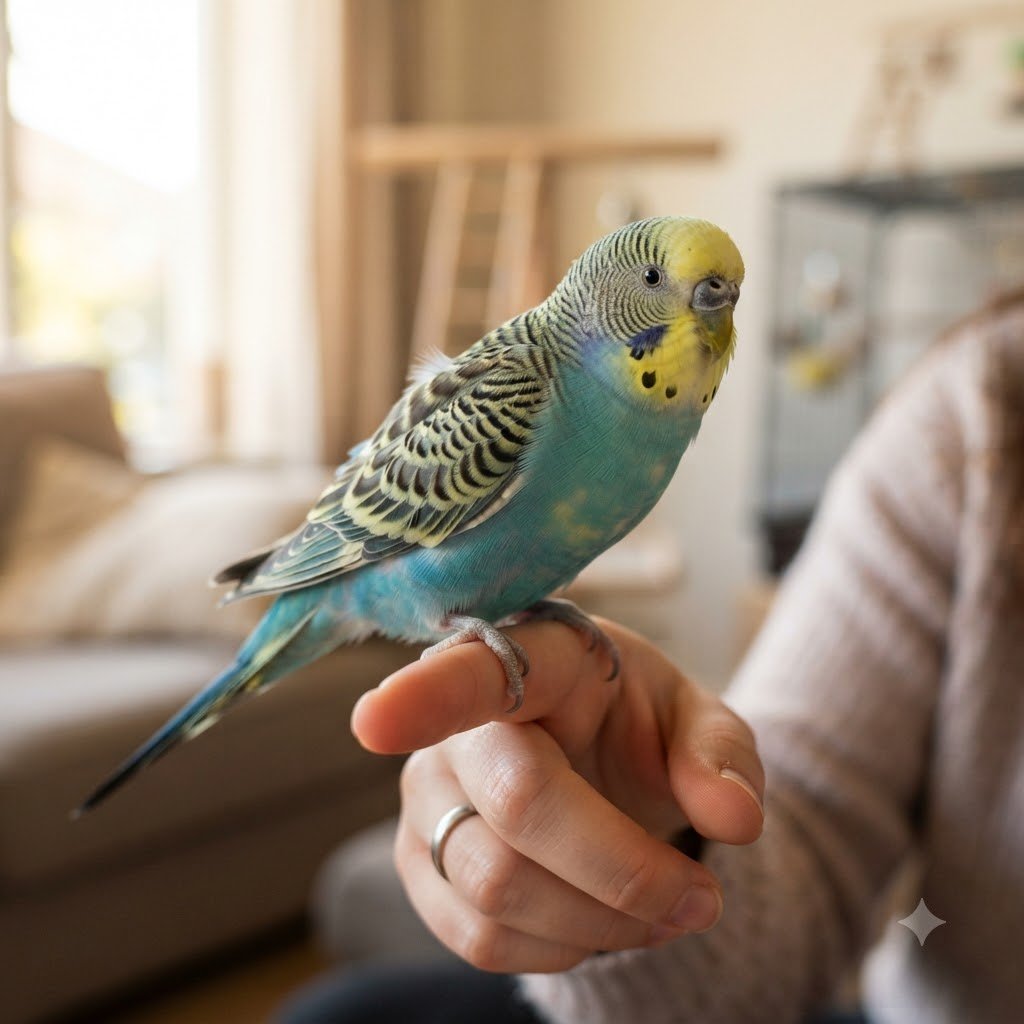
Are Budgies the Right Classic Starter Bird for You?
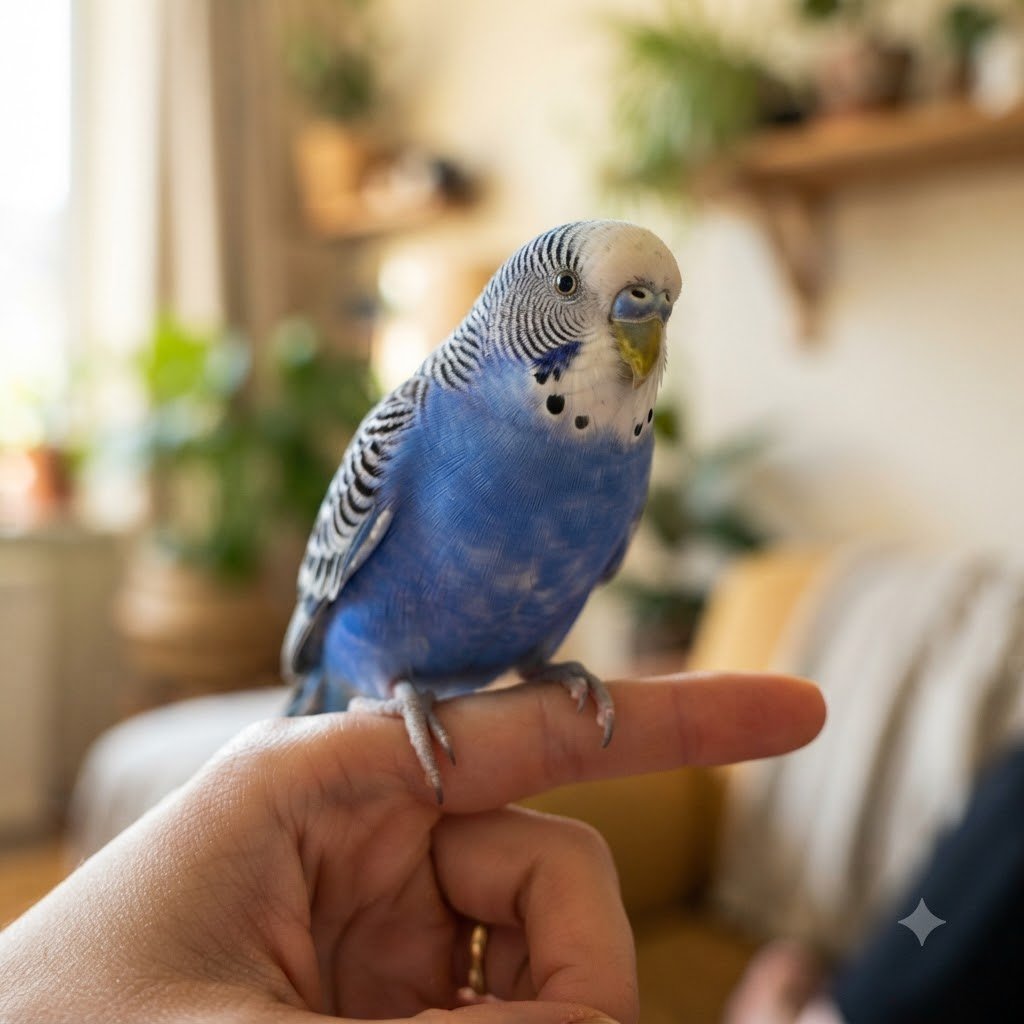
Budgies (parakeets) are the most common first pet bird for good reason:
- Small size means modest cage and food costs
- Relatively quiet — a soft chatter rather than a piercing call
- Can learn to mimic words and simple tricks with consistent handling
- Typical lifespan of 5-10 years, a manageable commitment for a first bird
- Widely available and inexpensive compared to larger parrot species
Is a Cockatiel Worth the Step Up in Personality and Lifespan?
Cockatiels offer more personality and a longer commitment than budgies:
- Distinctive crest and whistle-based calls, louder than a budgie but still moderate
- Often form especially strong bonds with one person
- Lifespan of 15-20 years — a genuinely longer commitment
- Need slightly more cage space and daily out-of-cage time than budgies
What Other Parakeets Are Beginner-Friendly?
Beyond budgies, several other parakeet species suit first-time owners reasonably well, though each comes with its own noise and space considerations — research the specific species before committing, since “parakeet” covers dozens of distinct birds with different needs.
What Questions Should You Ask Before Choosing?
- How much noise can your household realistically tolerate daily?
- Are you prepared for a 5-year commitment, or a 20+ year one?
- Do you have space for a cage with adequate room to stretch wings and move between perches?
- Can you commit to daily interaction, not just weekly cage cleaning?
- Is anyone in the household allergic to bird dander, which can trigger respiratory sensitivity over time?
Whichever species you choose, talk to an avian-experienced vet before bringing a bird home — not every general veterinary practice treats birds, and finding one in advance saves stress if a health issue comes up later.