Many foods that are perfectly safe for humans, or even for dogs and cats, are seriously dangerous for pet birds — and because birds are small with fast metabolisms, even a small amount of the wrong food can cause a rapid, serious reaction.
What Foods Are Most Dangerous to Pet Birds?
- Avocado: Contains persin, a compound specifically toxic to birds that can cause cardiac and respiratory distress — this is one of the most important foods to avoid entirely
- Chocolate: Contains theobromine and caffeine, both toxic to birds and capable of causing cardiac symptoms and seizures
- Caffeine: Found in coffee, tea, and many sodas, and can cause cardiac arrhythmias in birds even in small amounts
- Alcohol: Extremely toxic to birds’ fast metabolisms and can cause organ failure
- Onions and garlic: Can damage red blood cells and cause anemia in birds, whether raw, cooked, or powdered
- Salt: Birds are highly sensitive to sodium, and excess salt can cause dehydration, kidney dysfunction, and other serious issues
- Fruit seeds and pits: Apple seeds and stone-fruit pits (cherry, peach, plum, apricot) contain compounds that release cyanide when metabolized
Are There Foods That Seem Safe but Actually Aren’t?
Some foods that are fine for other pets, or even considered “healthy,” carry hidden risks for birds specifically:
- Dairy products: Birds lack the enzyme to properly digest lactose, so dairy can cause digestive upset
- Mushrooms: Some varieties can be toxic to birds, and it’s difficult to guarantee a “safe” type at home, so it’s best to avoid mushrooms entirely
- Raw or dried beans: Contain a toxin that’s neutralized by proper cooking, but raw or undercooked beans are dangerous
- High-fat or high-sugar human snacks: Not immediately toxic in most cases, but can contribute to obesity and related health problems given birds’ small size and specific nutritional needs
How Much of a Toxic Food Is “Too Much”?
Given birds’ small body size, even small amounts of a genuinely toxic food (like avocado or chocolate) can cause a serious reaction — there generally isn’t a “safe small amount” for these specific items. This is different from foods that are just nutritionally unbalanced rather than toxic, where the concern is more about proportion over time rather than any single bite.
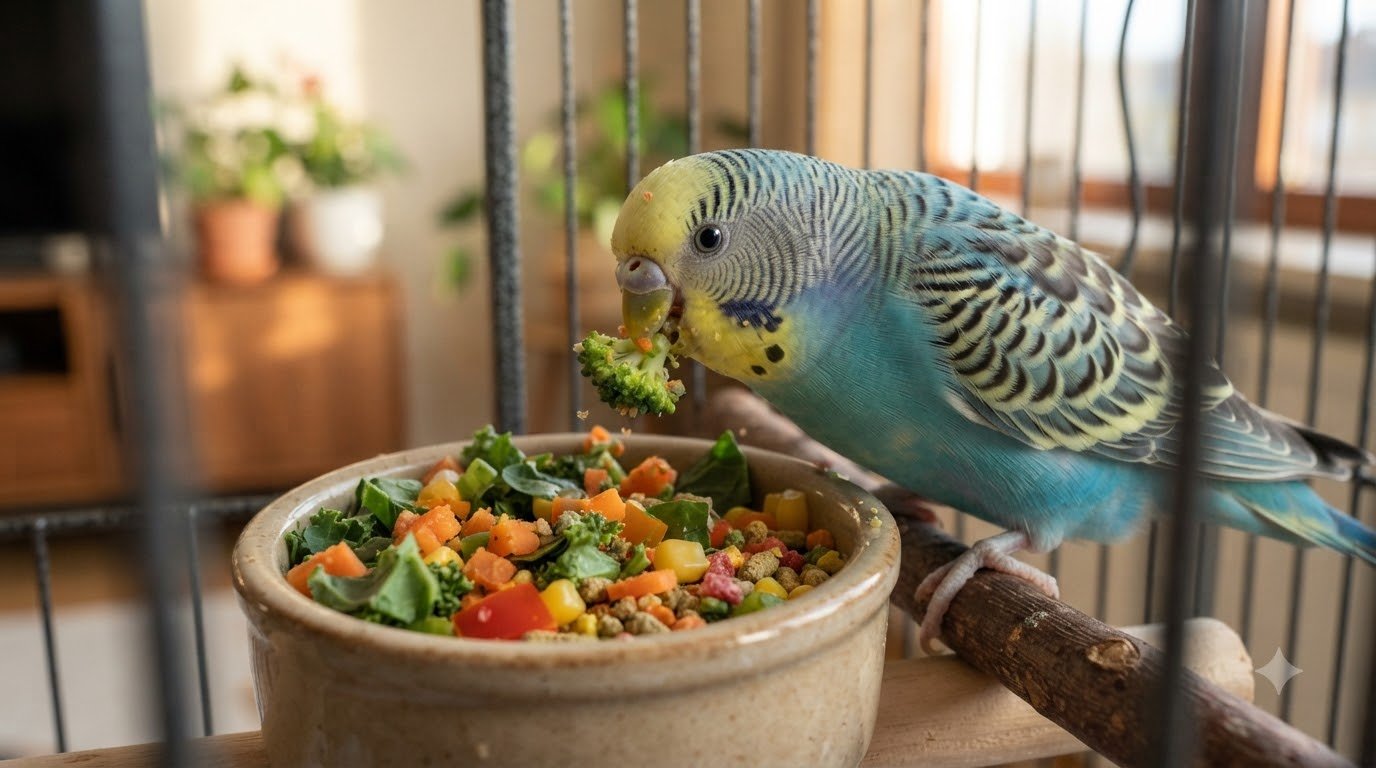
What Should You Do If Your Bird Eats Something on This List?
Contact an avian vet or a poison control hotline immediately, with details on exactly what was eaten and roughly how much. Don’t wait to see if symptoms appear before seeking guidance — birds’ fast metabolisms mean toxic effects can progress quickly, and getting ahead of it matters far more than with larger, slower-metabolizing pets.
What’s the Safest General Approach?
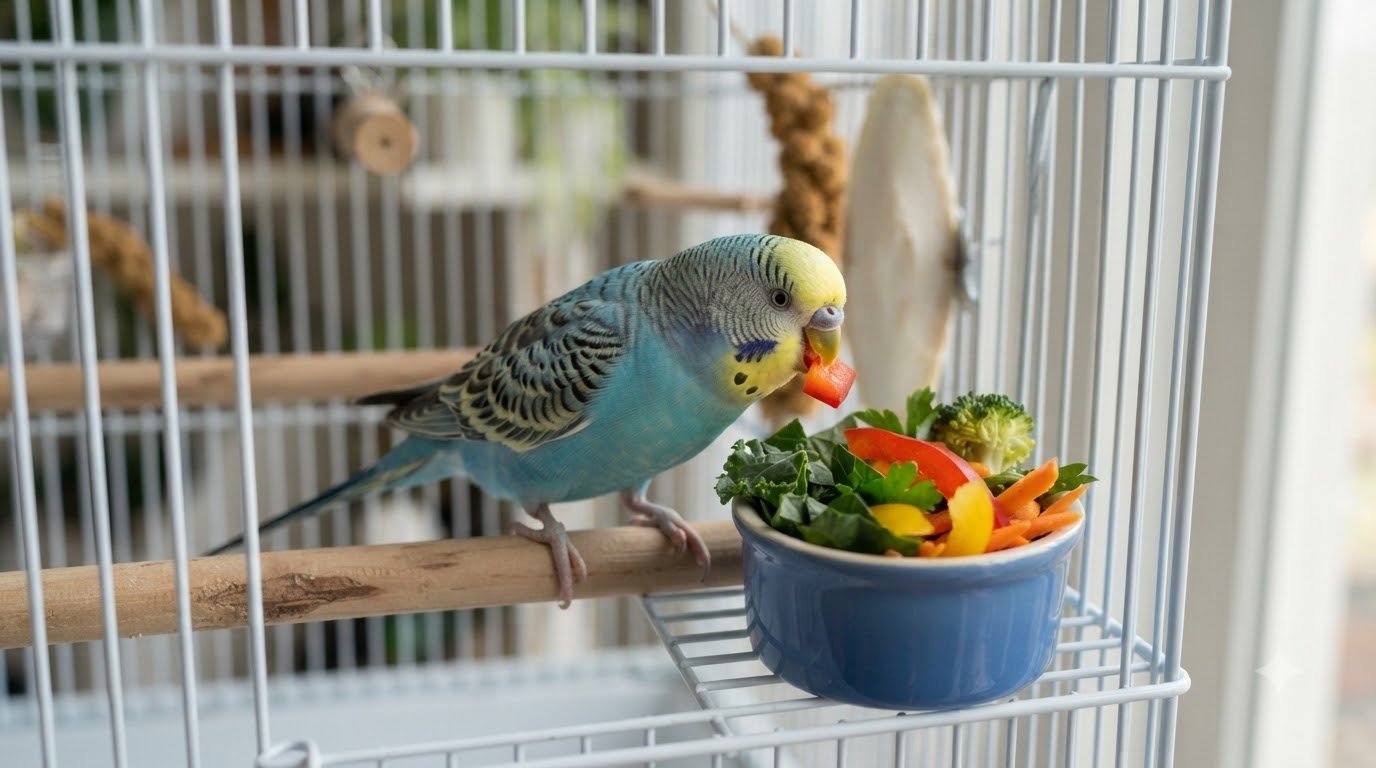
Sticking to foods specifically known to be safe for your bird’s species, rather than assuming “healthy for humans” means “healthy for birds,” is the most reliable way to avoid an accidental exposure. If you’re ever unsure about a specific food, checking with your avian vet before offering it is a simple habit that avoids the guesswork entirely.