Dobermans are a lean, athletic, deep-chested breed, and that combination shapes their nutrition needs in two specific ways: a genuine benefit from protein-forward nutrition to support their muscular build, and a real need for bloat-conscious feeding practices given their elevated risk for this life-threatening condition.
What Does a Doberman’s Muscular Build Mean for Their Diet?
As a working breed built for athleticism, Dobermans generally do well on a good-quality, protein-forward diet that supports lean muscle mass. The specific right amount varies by individual activity level and life stage, so working with your vet to calibrate rather than simply maximizing protein is the more reliable approach.
Why Does Feeding Technique Matter So Much for This Breed?
Dobermans are a deep-chested breed, which carries an elevated risk for bloat (gastric dilatation-volvulus) — a sudden, life-threatening twisting of the stomach. Feeding multiple smaller meals rather than one large one, and avoiding vigorous exercise immediately before or after eating, are meaningful risk-reduction steps for this breed specifically, more so than for breeds without the same chest structure.
What Should Owners Know About Grain-Free Diets and This Breed?
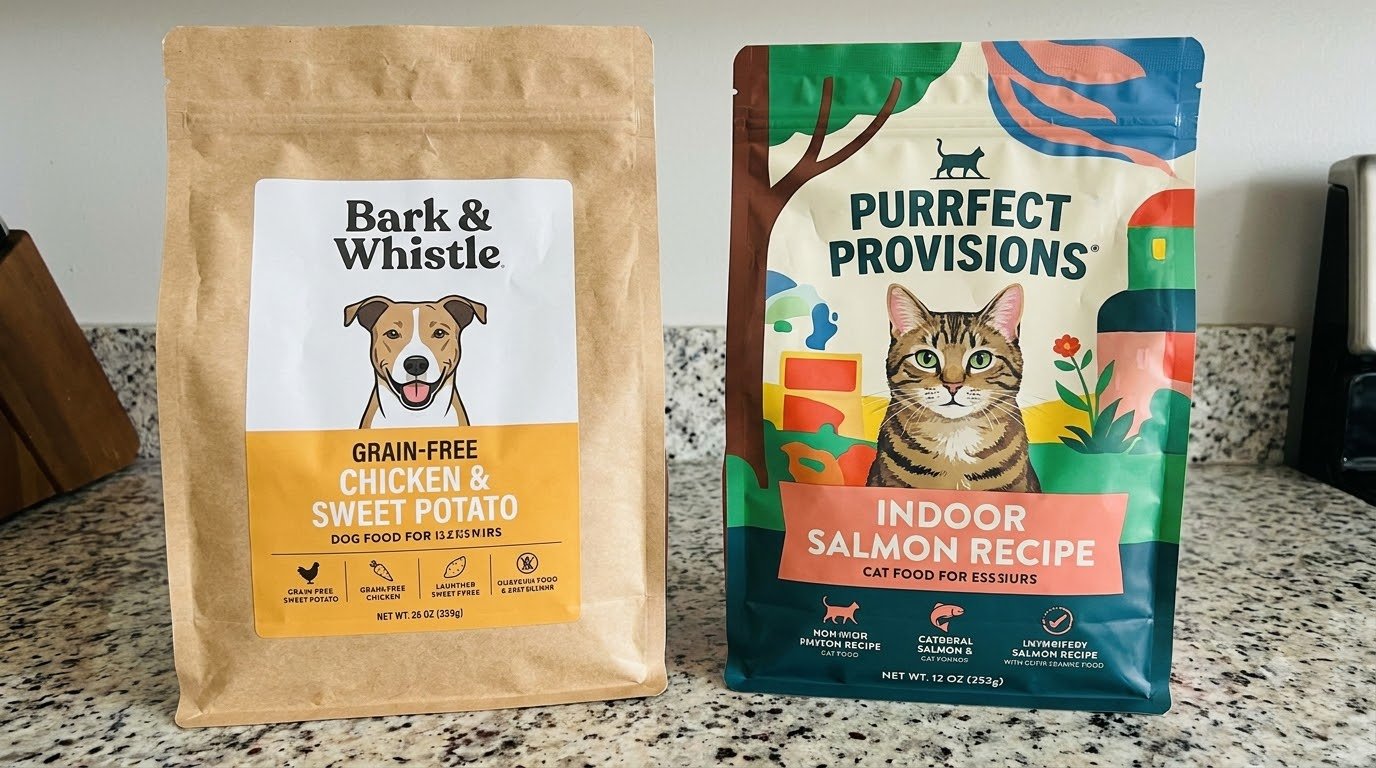
Dobermans have a notably elevated rate of dilated cardiomyopathy, a heart muscle condition, and researchers have investigated a possible link between certain grain-free, legume-heavy diets and heart disease risk in predisposed breeds. This doesn’t mean grain-free is automatically unsafe, but it’s a conversation worth having with your vet specifically because of this breed’s existing cardiac risk profile.
What Are Practical Feeding Guidelines for a Doberman?
- Feed two or more smaller meals rather than one large meal, to help reduce bloat risk
- Avoid strenuous exercise for at least an hour before and after meals
- Discuss protein levels and grain-free formulas specifically with your vet, given the breed’s cardiac risk profile
- Monitor body condition closely — a lean, athletic breed can mask weight gain under muscle more easily than a naturally stockier dog