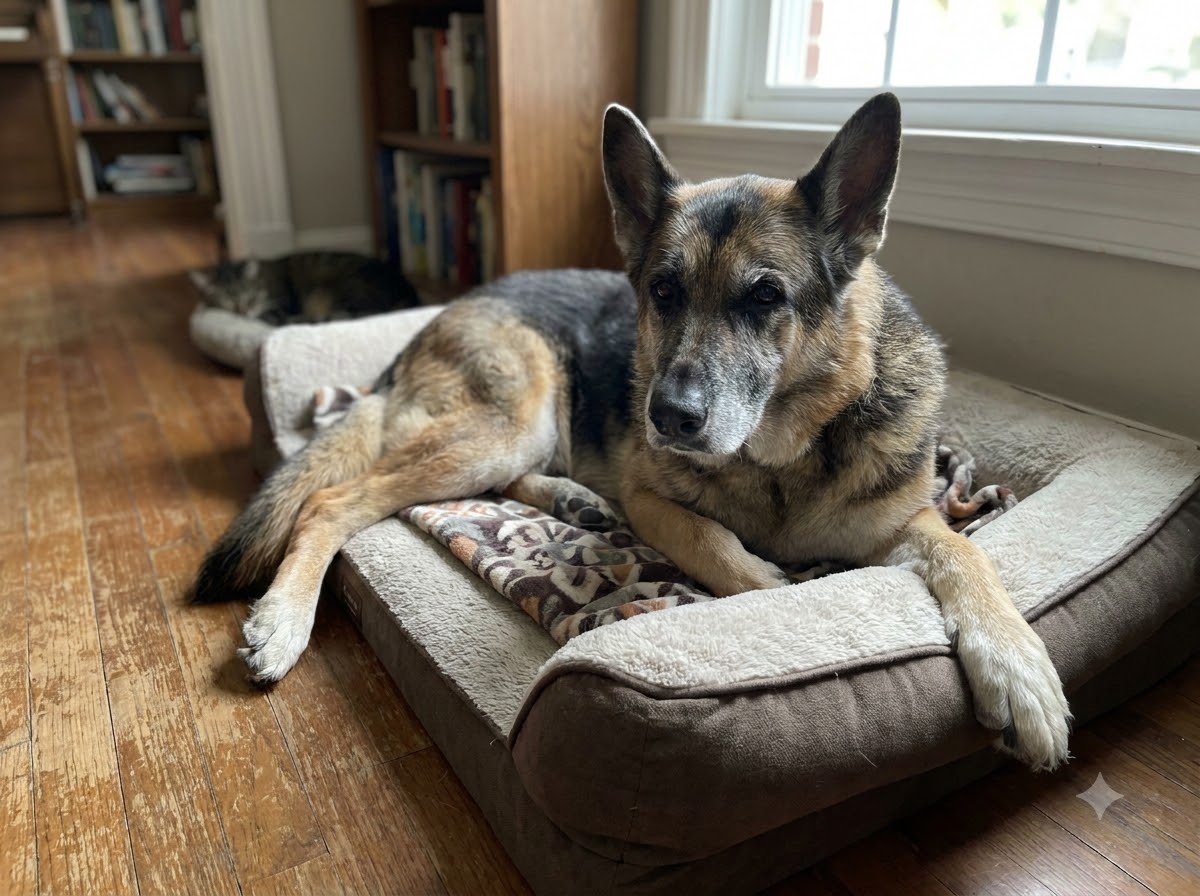
The German Shepherd Husky mix — widely nicknamed the Gerberian Shepsky — pairs two intelligent, high-drive working breeds. The result is usually an athletic, striking-looking dog that needs a genuinely active household to thrive, more than most mixed breeds.
What Is a Gerberian Shepsky?
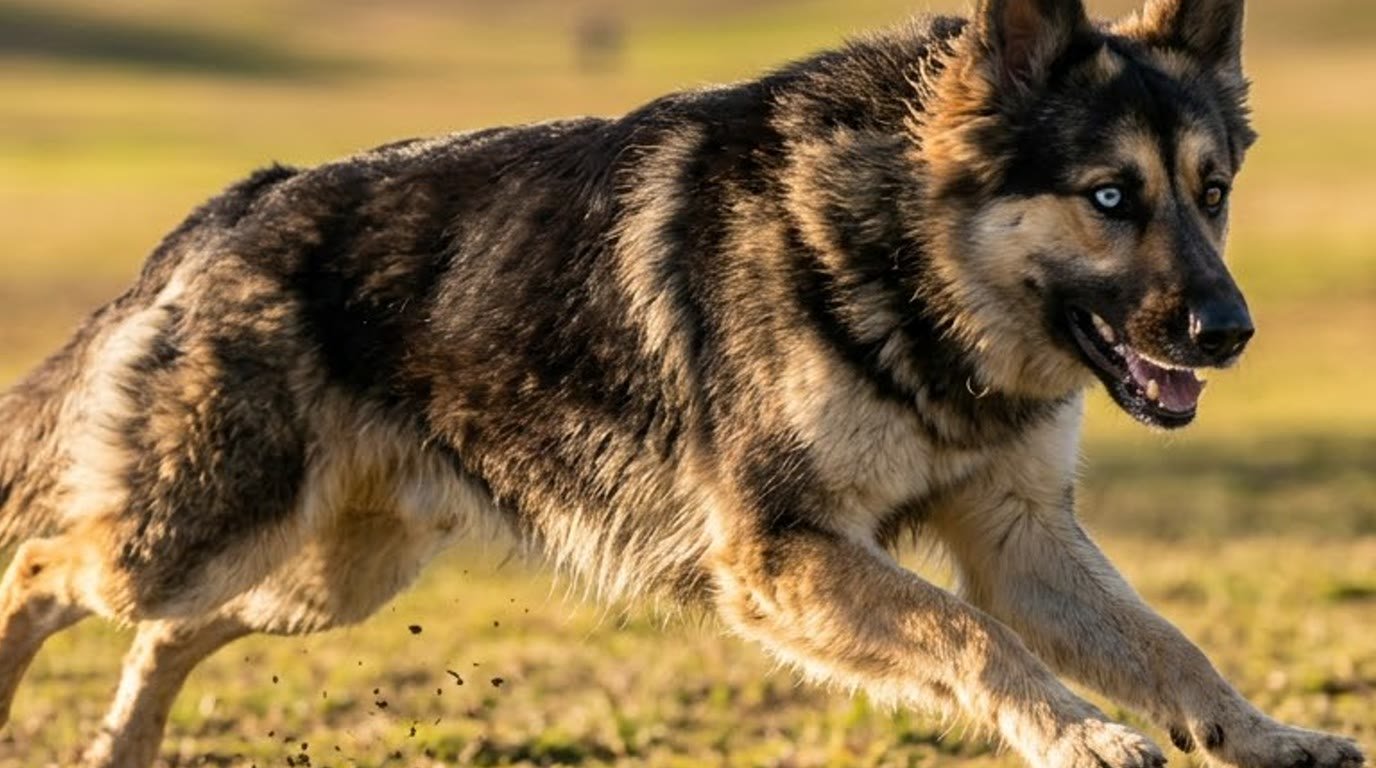
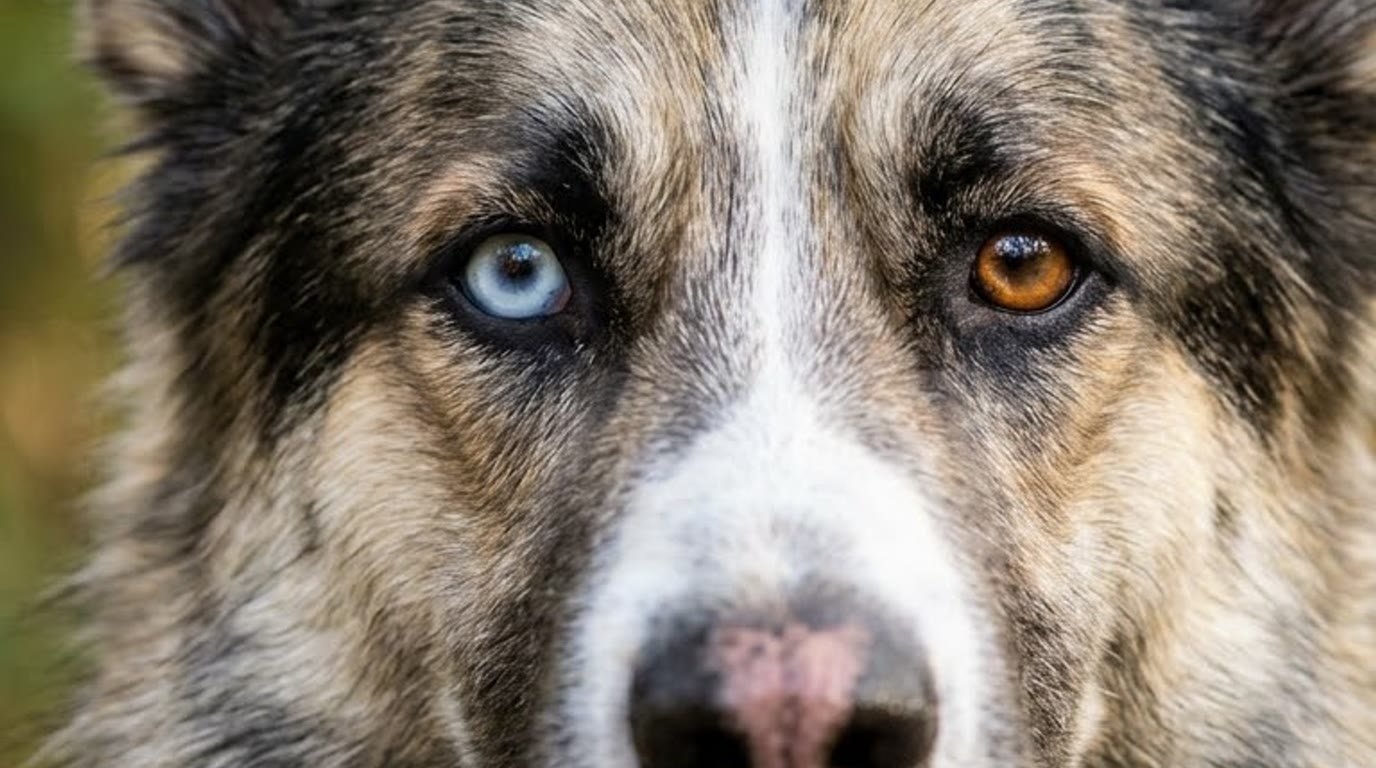
It’s a first-generation or multi-generation cross between a German Shepherd and a Siberian Husky, both herding/working-heritage breeds bred for endurance and intelligence. Appearance varies widely — some lean toward the Husky’s lighter build, blue or bi-colored eyes, and thick coat, while others favor the German Shepherd’s larger frame and darker coloring. Because both parent breeds are physically capable and mentally active, this mix isn’t a low-maintenance companion breed by either lineage.
What Temperament and Energy Level Should You Expect?
Expect high energy and high intelligence from both sides, plus a strong independent streak that Huskies are known for combined with the German Shepherd’s trainability and drive to work. This combination makes the Shepsky rewarding for an experienced, active owner and genuinely difficult for a low-activity household — under-stimulated dogs of this cross are prone to destructive chewing, excessive vocalization (a trait Huskies are famous for), and escape attempts, since both parent breeds were bred to cover long distances.
What Health Issues Come From Both Parent Breeds?
- Hip and elbow dysplasia — a well-documented German Shepherd predisposition that can carry into the mix
- Degenerative myelopathy — a progressive spinal condition more common in German Shepherds than most breeds
- Eye conditions — Huskies carry a higher documented rate of progressive retinal atrophy and juvenile cataracts, worth discussing with a vet and, where available, a breeder’s health testing
- Bloat (GDV) — relevant if the mix leans toward the GSD’s deeper chest structure
Is a German Shepherd Husky Mix Right for You?
- Commit to 60-90 minutes of real daily exercise, not just yard time — both parent breeds were built for sustained physical work
- Plan for secure, tall fencing given the Husky side’s well-known escape and digging tendencies
- Start training and socialization early, leaning on the German Shepherd side’s trainability to work with the Husky side’s independence
- Ask about hip/elbow screening and eye testing on both sides of the pedigree when adopting from a breeder
- Be honest about your household’s activity level before committing — this is one of the higher-energy mixes a first-time owner can take on