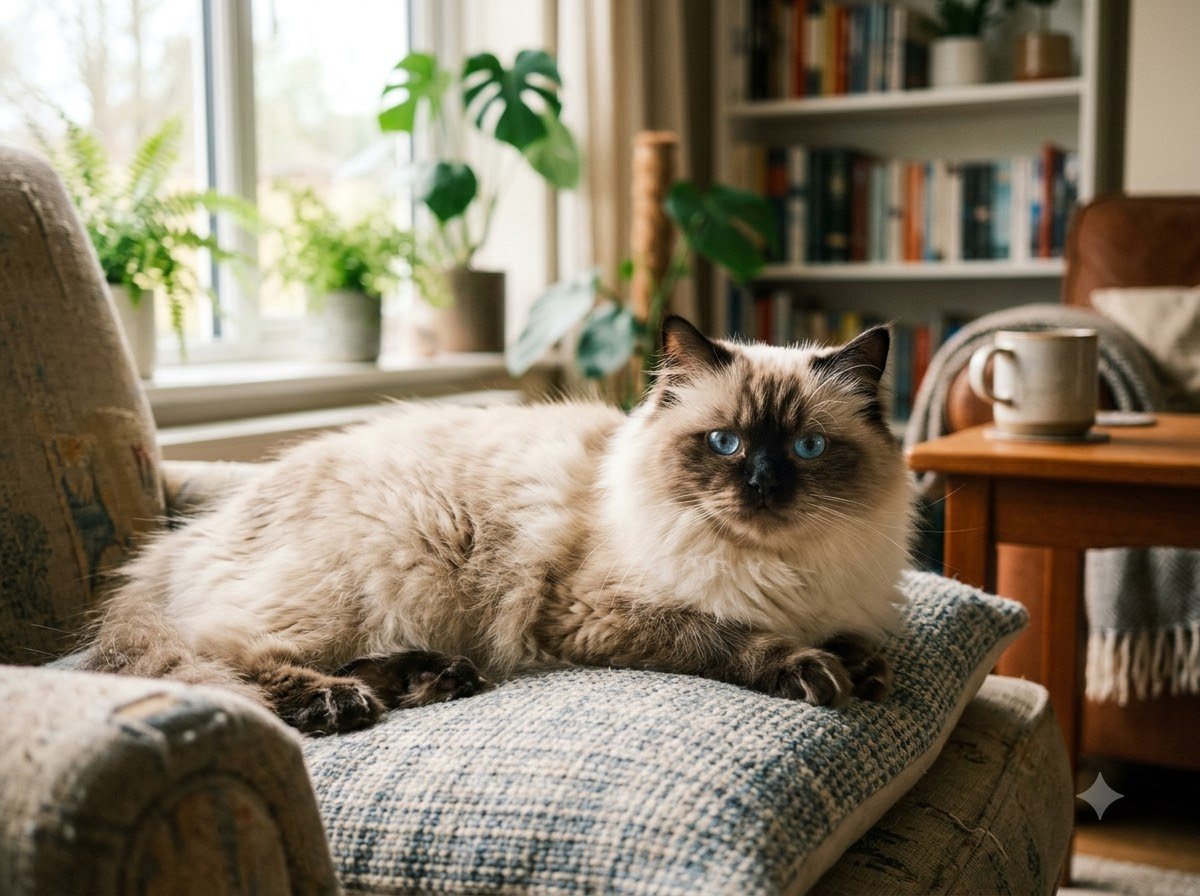
Himalayan cats — a breed developed by crossing Persians with Siamese for their coloring — inherited much of the Persian’s calm, low-activity temperament along with a long, dense coat. Both traits shape this breed’s nutrition needs: lower calorie requirements than more active cats, and a real dietary connection to coat health.
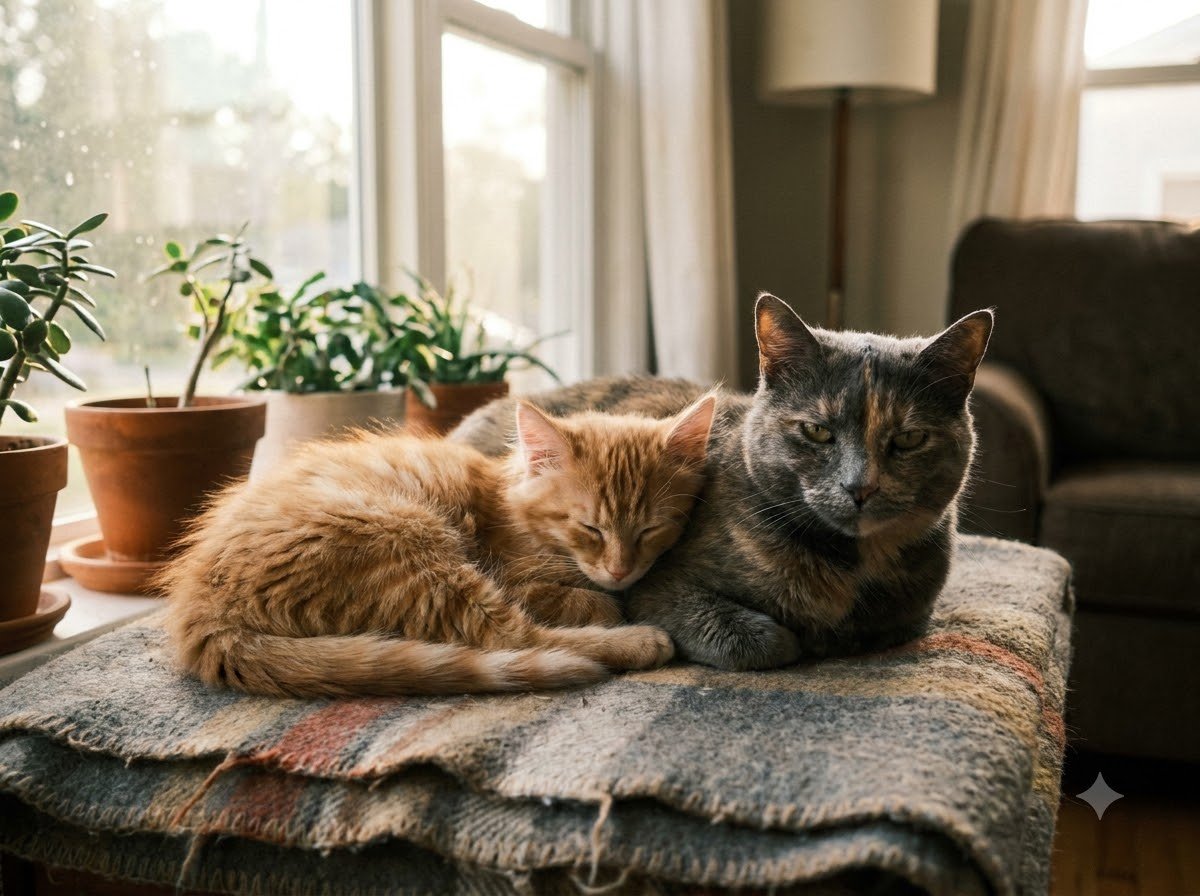
Why Do Himalayans Need Careful Portion Control?
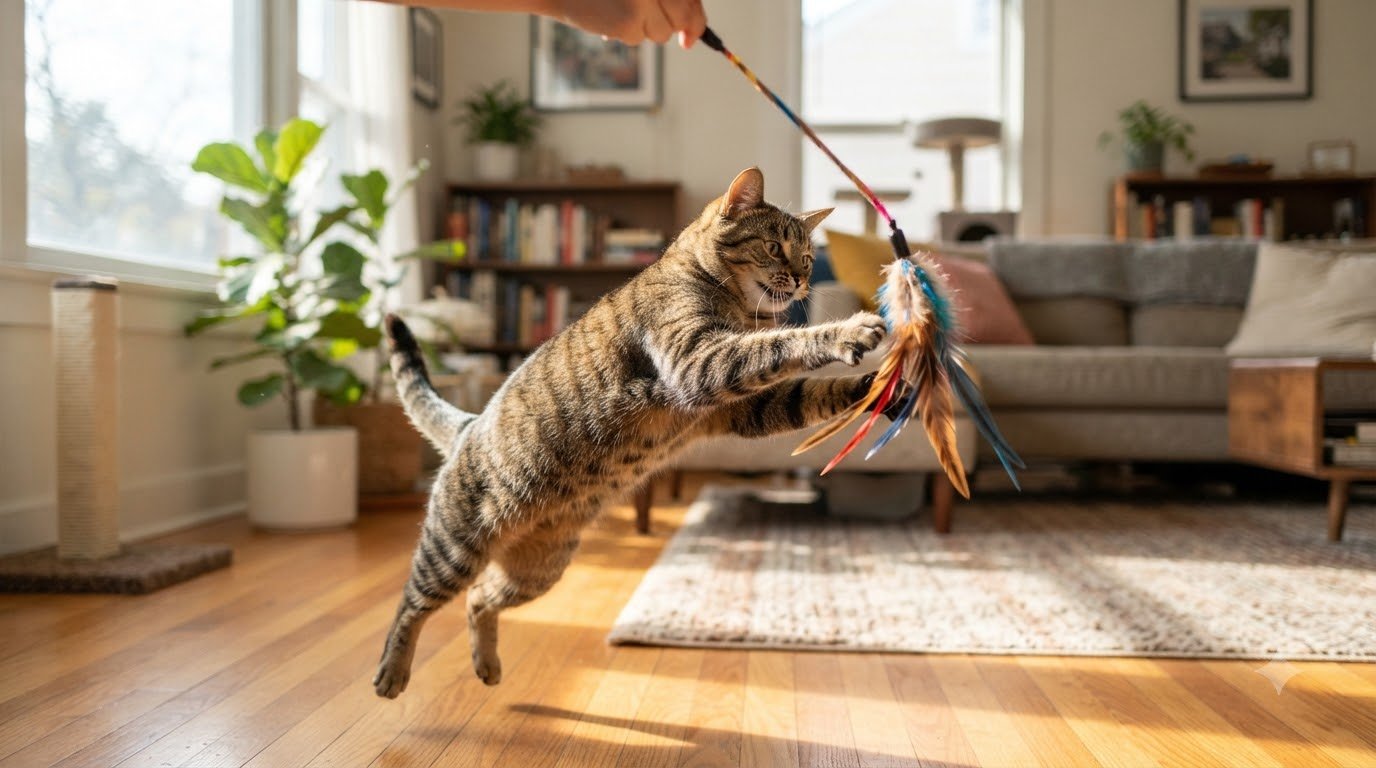
Like their Persian relatives, Himalayans tend toward a calm, low-energy lifestyle that burns through fewer calories than more active breeds. Feeding a standard portion sized for an “average” cat can lead to gradual weight gain in a breed this naturally sedentary, making portion control more actively important than for a highly active breed that self-regulates through movement.
How Does Diet Affect a Himalayan’s Coat?
A Himalayan’s long, dense coat depends partly on adequate protein and essential fatty acid intake to stay healthy and resist matting. A diet that’s nutritionally adequate but not specifically coat-supportive can still leave a Himalayan’s coat looking duller or more prone to tangling than one supported by quality protein and fatty acid sources.
What Else Should Owners Know About Feeding This Breed?
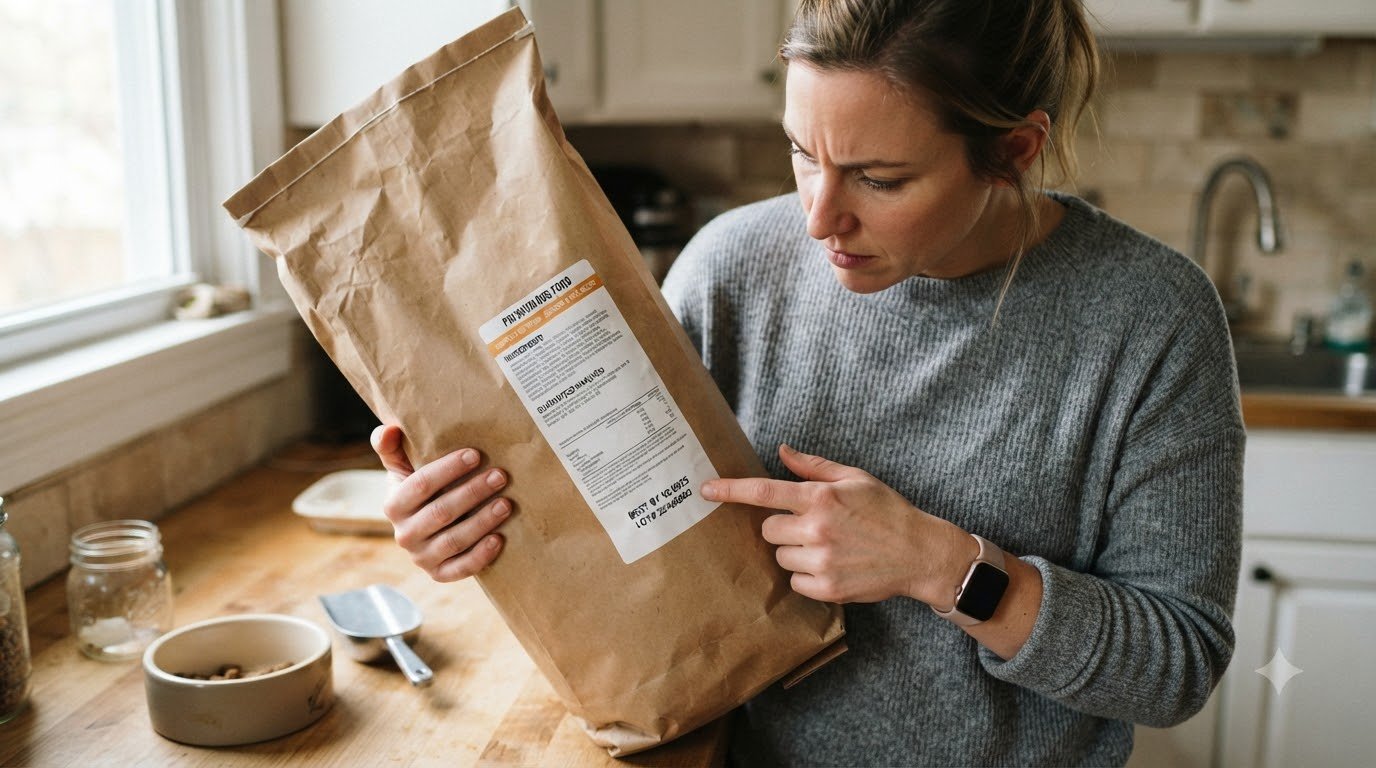
- Measure portions carefully rather than free-feeding, given the breed’s naturally low activity level
- Choose a diet with quality protein and adequate essential fatty acids to support coat health alongside general nutrition
- Ask your vet about kidney-conscious nutrition, since Himalayans share the elevated polycystic kidney disease risk associated with their Persian ancestry
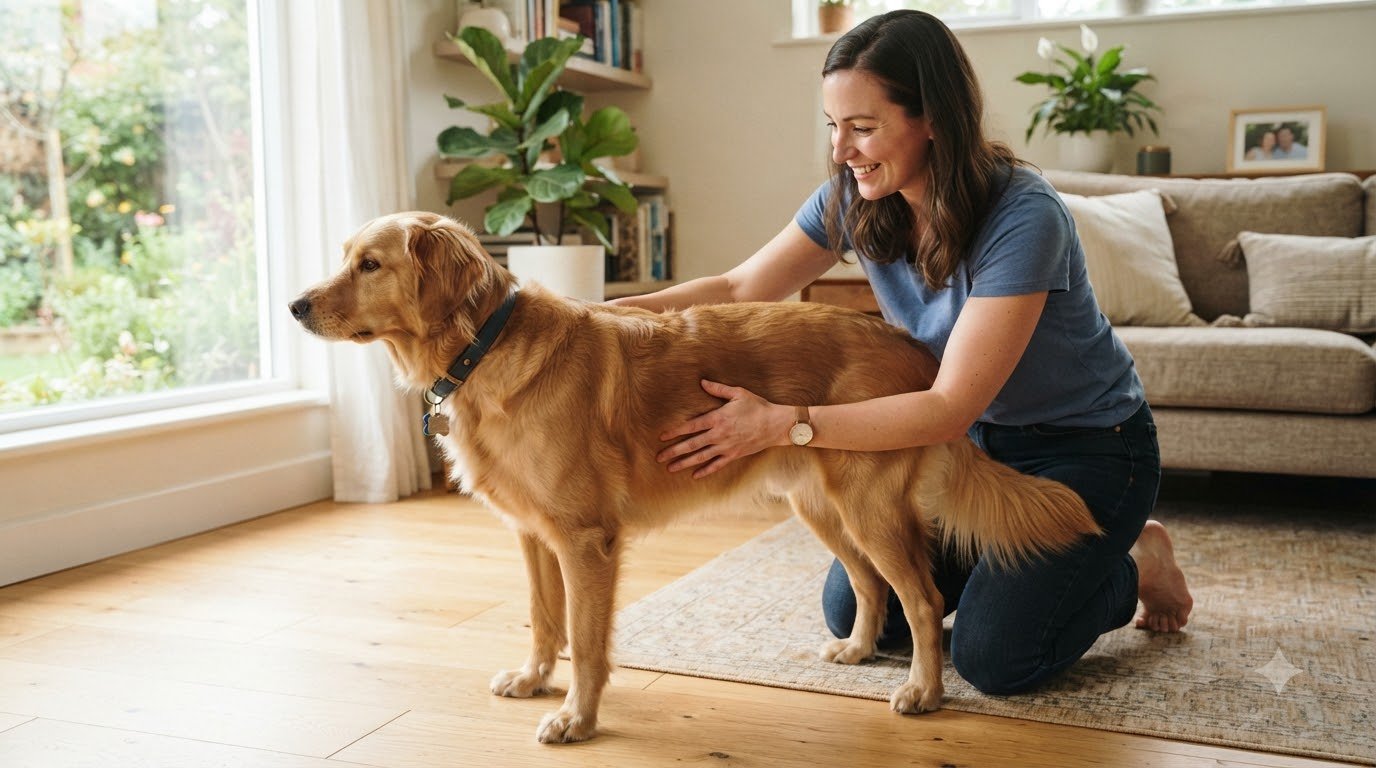
- Monitor body condition by feel, since a dense coat can make weight gain harder to spot visually, similar to other long-haired breeds