No matches found. Try a different search term.
Home / Bird Care / How Long Do Pet Birds Live? A Lifespan Guide by Species
BIRD CARE

How Long Do Pet Birds Live? A Lifespan Guide by Species

Last updated: August 13, 2026 · Written by PetsBeyondMiles Editorial Team
A species-by-species pet bird lifespan guide — from 5-year budgies to 60-year macaws — and what that means for the commitment you're making.

Pet bird lifespans vary more dramatically by species than almost any other common pet category — the difference between a budgie and a macaw isn’t a few years, it’s decades.

What Are Typical Lifespans by Species?

  • Budgies (parakeets): 5-10 years
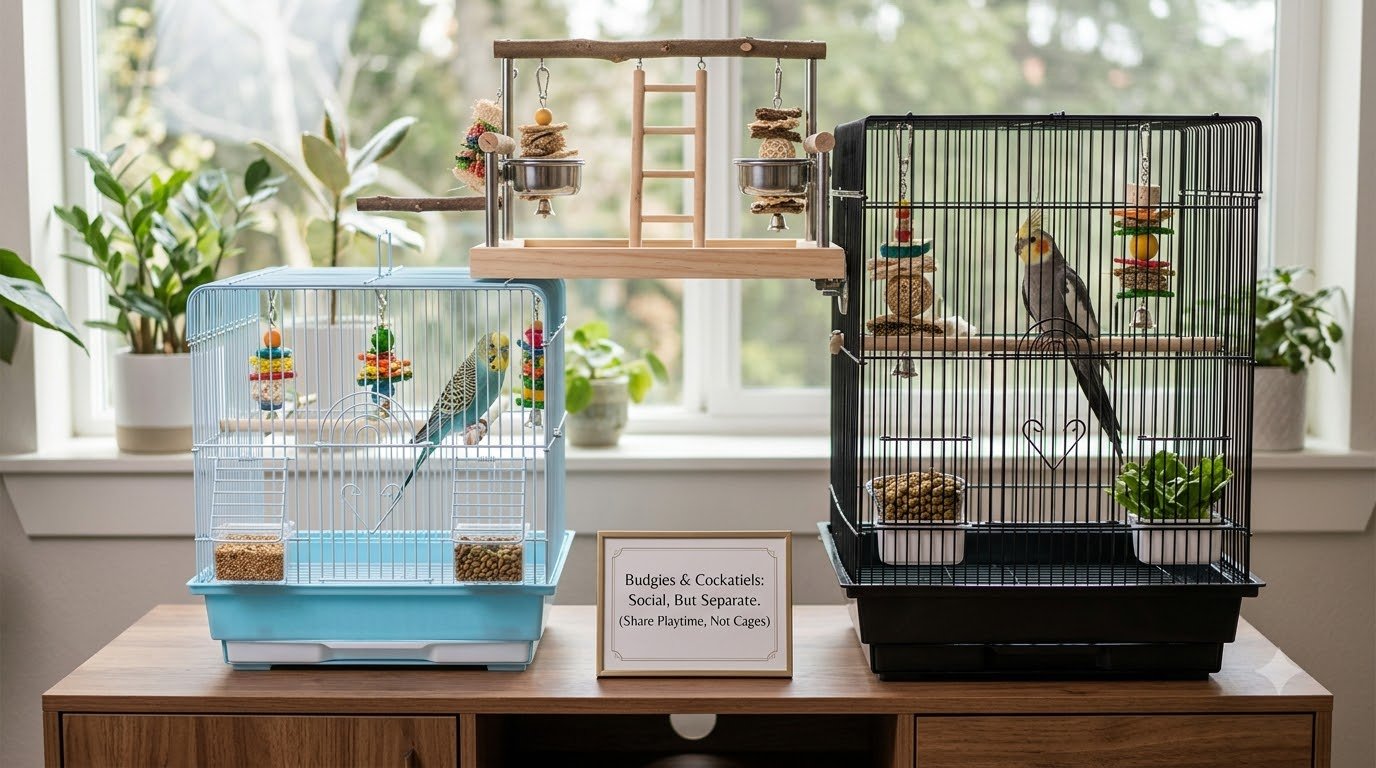
  • Cockatiels: 15-20 years
  • Lovebirds: 10-15 years
  • Conures: 20-30 years
  • African Greys: 40-60 years
  • Macaws: 40-60+ years
  • Cockatoos: 40-60+ years

These are rough averages — individual lifespan varies with genetics, diet, and care quality, sometimes considerably.
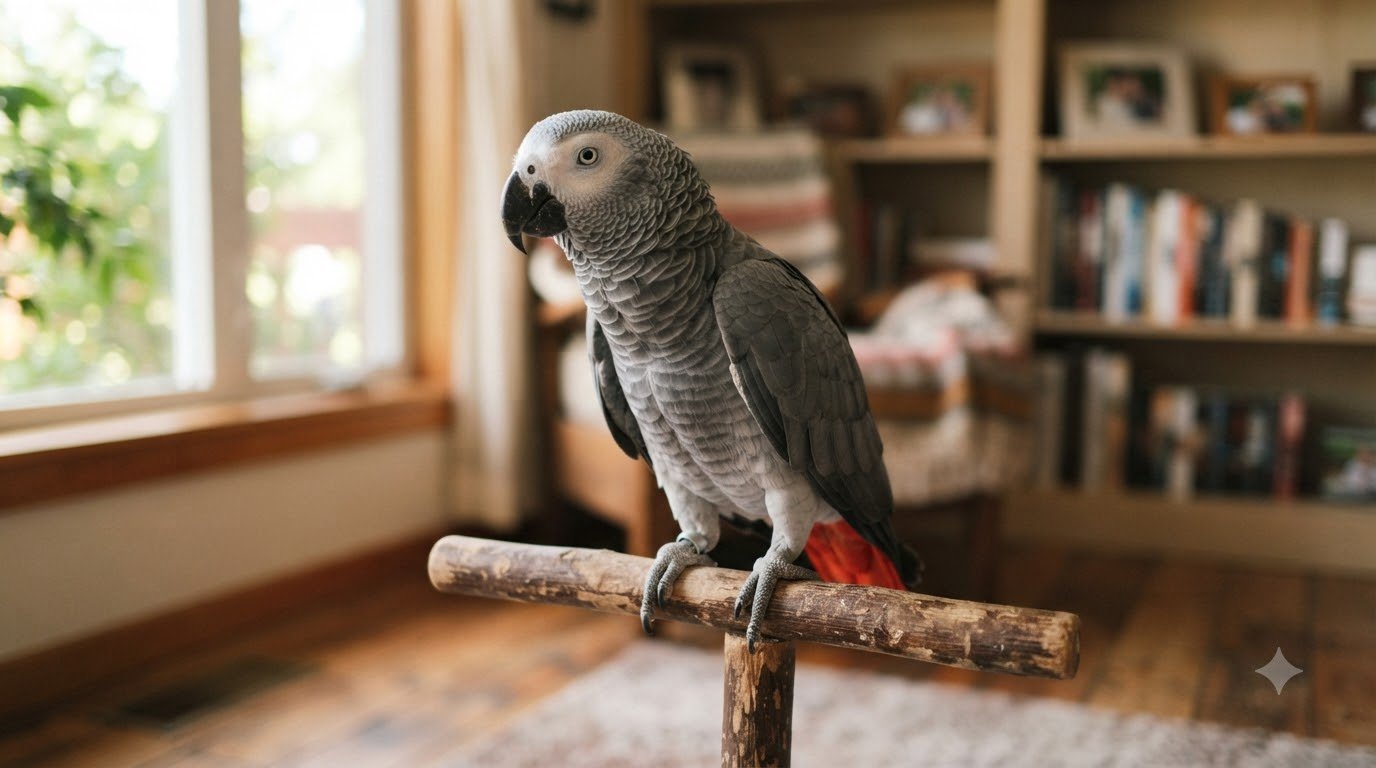
A mature parrot perched indoors, calm and alert
Larger parrots can live 40-60+ years, a genuinely multi-generational commitment.

Why Does This Matter Before You Choose a Species?

A budgie is a manageable, decade-scale commitment. A macaw or African Grey is realistically a multi-generational one — many owners of long-lived parrots need to plan for the bird outliving them, including arrangements for its care afterward. This isn’t meant to discourage choosing a longer-lived species, just to make the decision an informed one rather than a surprise five years in.

What Affects How Long a Pet Bird Actually Lives?

  • Diet quality: seed-only diets are strongly associated with shortened lifespan and chronic disease
  • Environmental safety: avoiding toxic fumes (especially overheated non-stick cookware), temperature extremes, and drafts
  • Regular avian veterinary care: catching issues early, since birds mask illness so effectively
  • Mental stimulation and social interaction: chronic stress and boredom measurably affect health outcomes over a bird’s lifetime
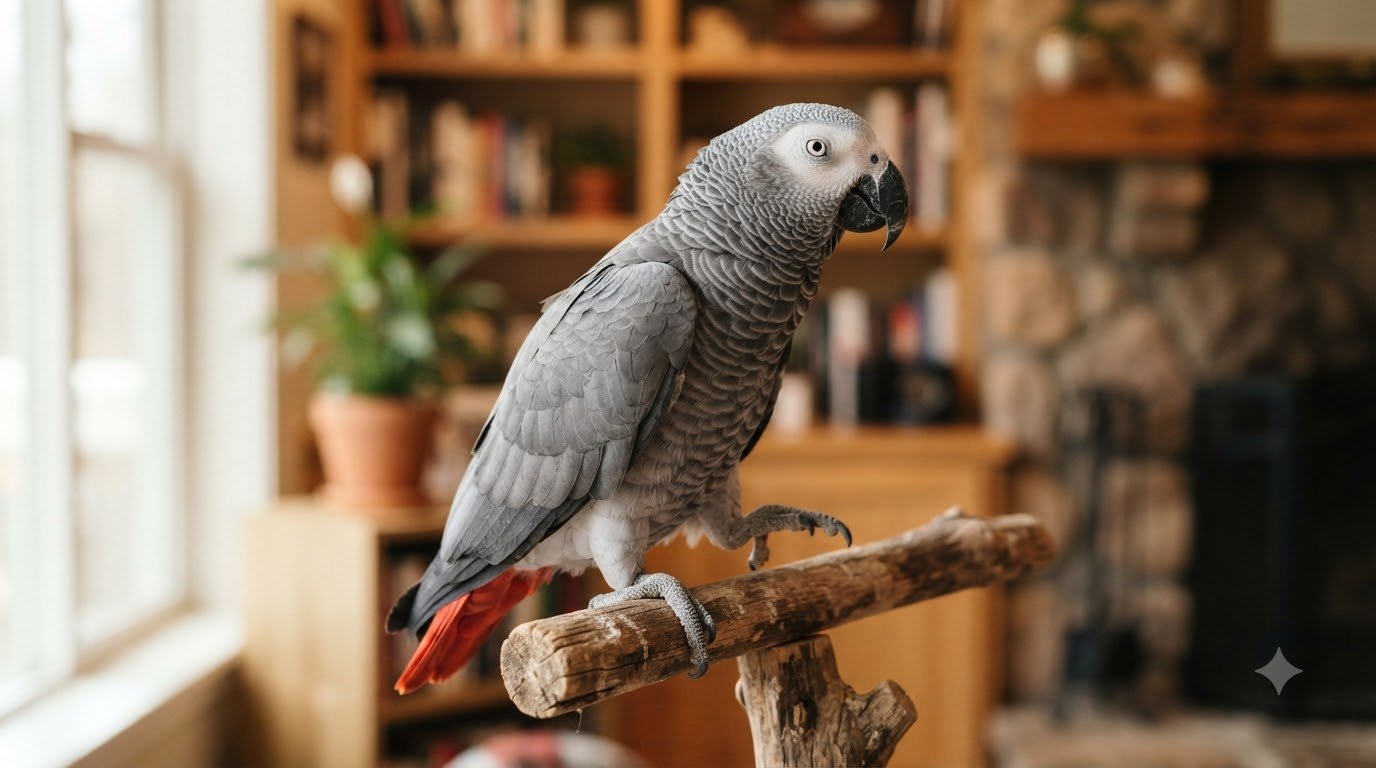
A mature parrot perched indoors, showing dignified adult plumage
Diet, environment, and vet care all shape how close a bird gets to its species' maximum lifespan.

What Are the Signs of Aging in Pet Birds?

Aging birds often show subtler signs than dogs or cats: duller or thinner plumage, decreased activity level, changes in vocalization patterns, and increased vulnerability to illness. Regular vet checkups become more important, not less, as a bird ages — much like with any aging pet.

Choosing a pet bird species is, in a real sense, choosing how long a commitment you’re prepared to make — worth weighing carefully before falling for a particular bird at the store.
FAQ

What pet bird has the longest lifespan?
Larger parrot species like macaws, African Greys, and cockatoos have the longest lifespans among common pet birds, often living 40-60+ years with good care — genuinely a multi-generational commitment.
Do smaller birds always live shorter lives?
Generally yes, though there are exceptions — budgies typically live 5-10 years while cockatiels, despite being only moderately larger, often live 15-20 years, so size alone doesn't perfectly predict lifespan.
What factors most affect a pet bird's lifespan?
Diet quality (seed-only diets shorten lifespan considerably), environmental safety (avoiding toxic fumes and temperature extremes), regular avian vet care, and mental stimulation all meaningfully affect how long a pet bird lives compared to its species' potential maximum.
Should lifespan influence which bird species I choose?
Yes, significantly — a 60-year commitment is a fundamentally different decision than a 7-year one, and many long-lived parrots end up needing rehoming when an owner's life circumstances change decades into ownership.
Do pet birds show clear signs of aging?
Yes, though more subtly than dogs or cats — aging birds may show duller plumage, decreased activity, changes in vocalization, and increased susceptibility to illness, similar in spirit to aging signs in other pets.

Related Articles