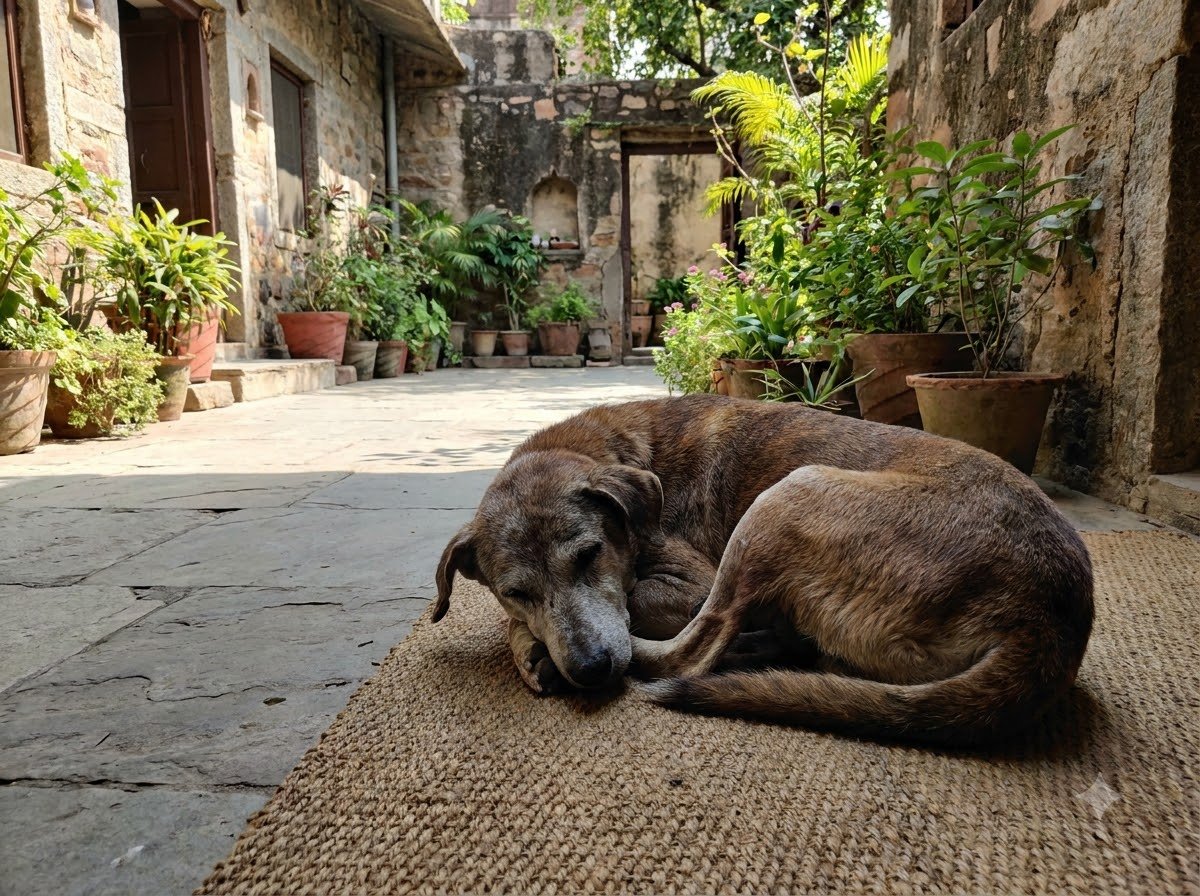
Indian Pariah Dogs (Desi dogs) are increasingly adopted internationally, including by NRI families relocating back to the US after fostering or adopting during time in India. The process follows the same core framework as any international pet move, but often comes with extra paperwork complexity if the dog was a street rescue without an established health history.
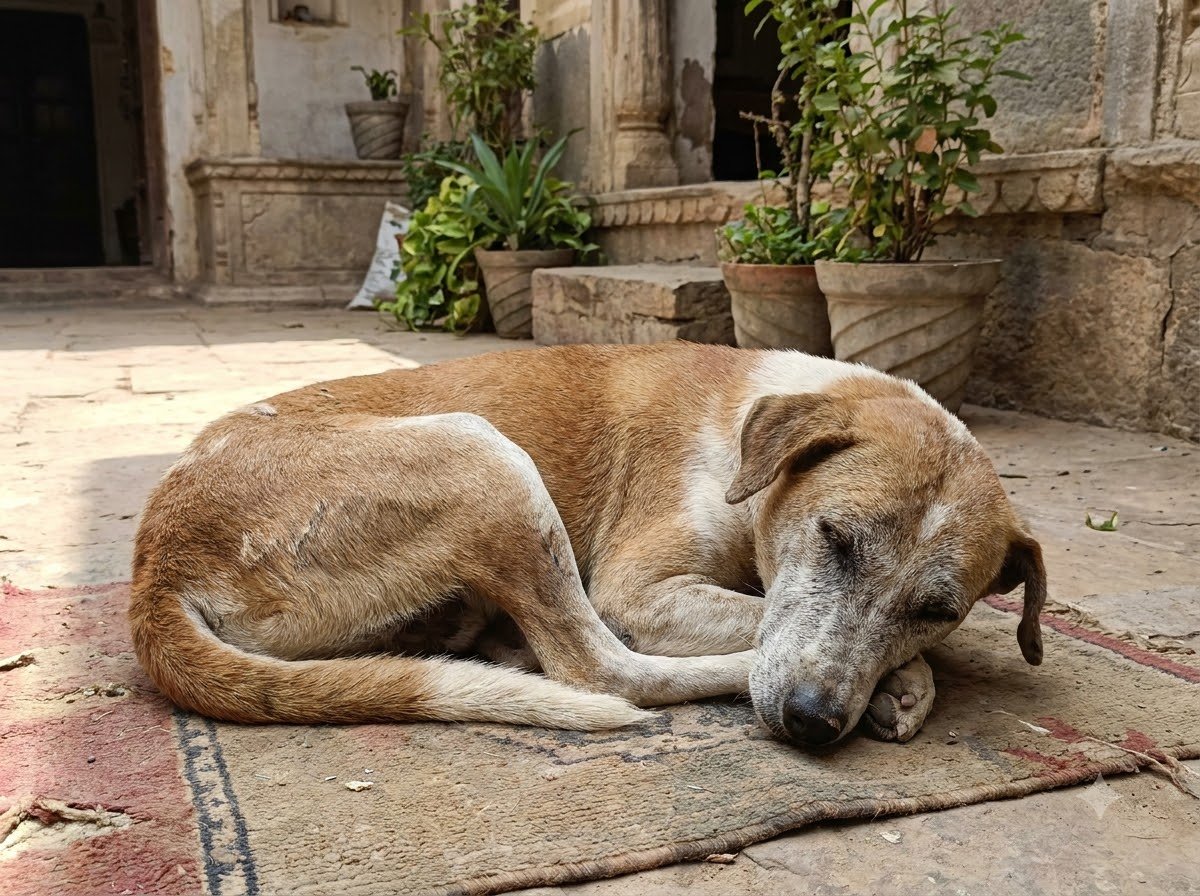
Why Can Adoption Logistics Be More Complex for Rescued Street Dogs?
A dog adopted from a shelter or off the street often doesn’t have prior vaccination records, meaning the international relocation timeline typically needs to start from a fresh vaccination series rather than building on an existing history. If the destination country requires a rabies antibody titer test — as the US does in certain circumstances — this adds meaningful lead time, since the test itself and any required waiting period take weeks to months.
What Should Prospective Adopters Plan for Timeline-Wise?
- Starting vaccinations and health documentation as early as possible after adoption, rather than close to a planned move date
- Building in extra time for titer testing if required, since results and any mandated waiting period can take longer than a standard health certificate
- Working with a vet experienced in international pet relocation paperwork specifically, since general practitioners may be less familiar with the process
- Researching rescue organizations with a specific track record in international adoption logistics, since they often have practical experience navigating common complications
What Should NRI Families Know Before Adopting for International Relocation?
- Start the health documentation process as early as possible — ideally months before any planned move, not weeks
- Confirm your destination country’s specific entry requirements for dogs, since they vary and change over time
- Ask rescue organizations directly about their experience with international adoptions before committing
- Budget extra time and cost for a street rescue’s documentation compared to a dog with an established prior health record