“Low-maintenance” means different things depending on what you’re optimizing for — daily time commitment, cost, noise, or supervision needs — and the right answer depends on which of those actually matters most in your situation.
What Does “Low-Maintenance” Actually Mean Pet to Pet?
Worth separating out, since it’s not one single quality:
- Low daily time commitment: doesn’t need walks, extensive play, or constant supervision
- Low setup complexity: doesn’t require specialized equipment to get started
- Low ongoing cost: inexpensive food, supplies, and vet care
- Low noise and mess: quiet and easy to keep clean
Very few pets score low-maintenance across all four — most trade one for another.
Which Pets Are Low on Daily Time Commitment?
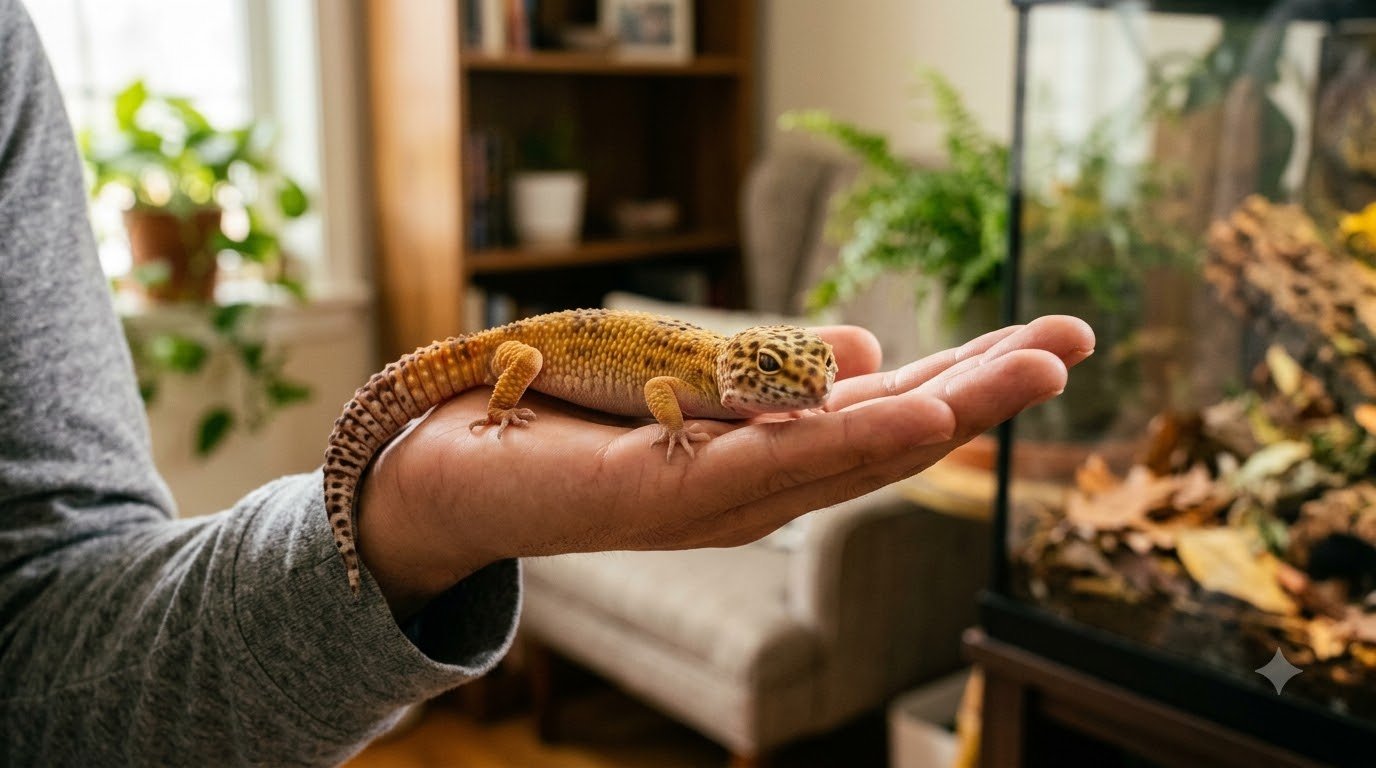
Fish top this list clearly — feeding takes minutes, and beyond routine tank maintenance, there’s no daily walk, play session, or handling requirement. Most reptiles are close behind: many species eat every few days to once a week as adults, and don’t need daily interaction to stay healthy (though many keepers do handle docile species regularly for socialization).
Which Pets Are Low on Setup Complexity?
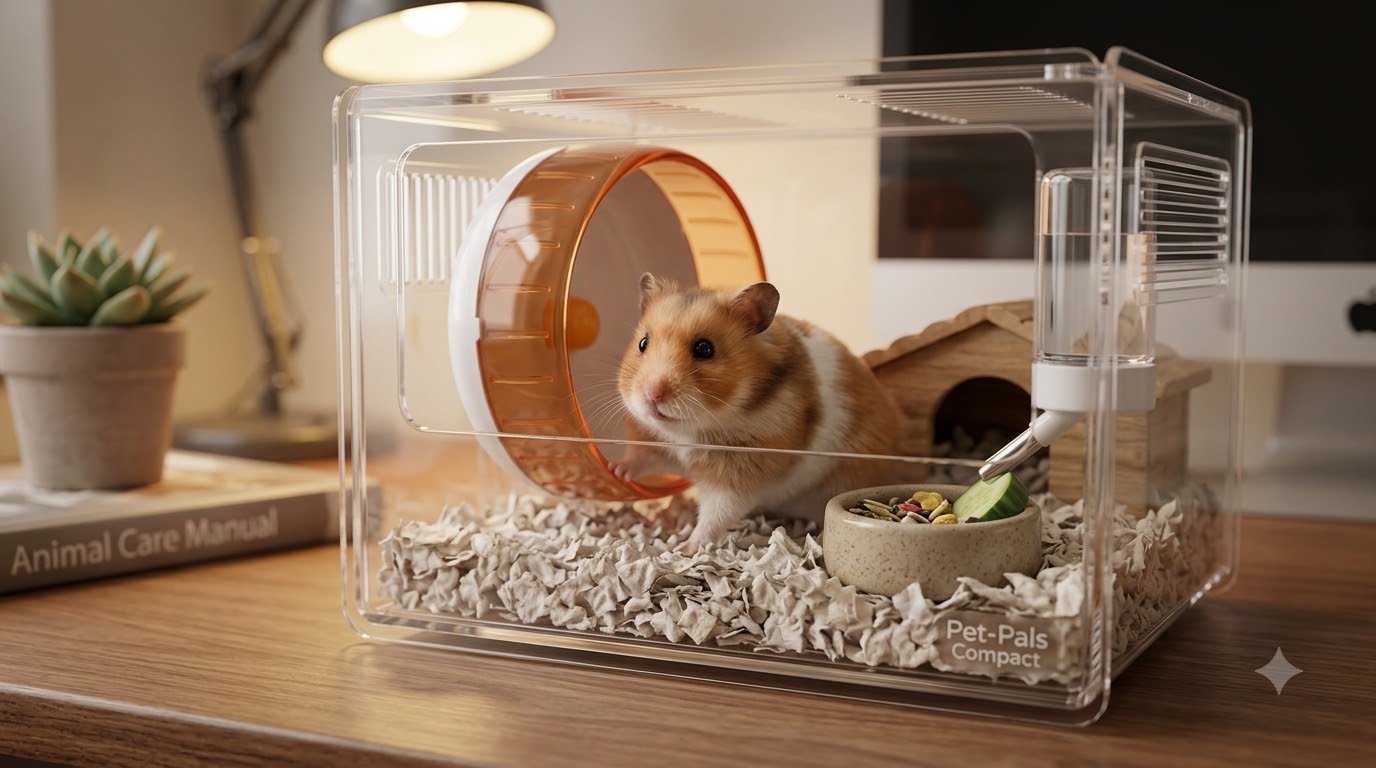
This flips the list somewhat. Small mammals like guinea pigs and hamsters need a proper cage and bedding but nothing technical — no heating equipment, no lighting rigs. Reptiles are the opposite: even a “low-maintenance” species like a leopard gecko needs correctly calibrated heating and often UVB lighting before it’s safe to bring one home, which is real upfront effort even if daily care afterward is light.
Which Pets Are Genuinely Low-Cost?
Small mammals and fish tend to have the lowest ongoing costs for food and supplies. Reptile costs vary a lot by species — a leopard gecko is inexpensive to feed, while some diets (frequent live feeder insects, specific fresh produce) add up more than people expect. Vet care is a separate consideration: exotic-animal vets can charge more per visit than general dog/cat vets, even if visits are less frequent.
Which Pets Are Quiet and Easy to Keep Clean?
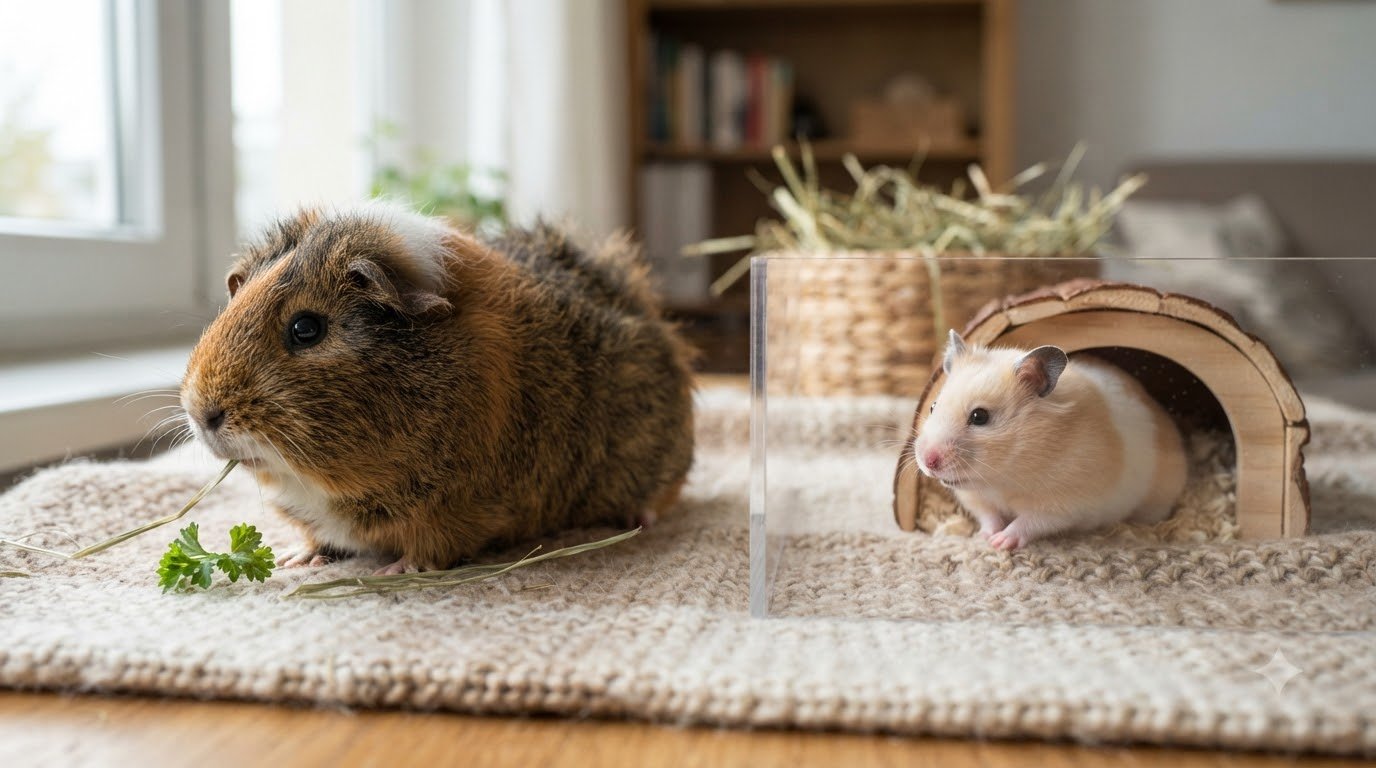
Fish and reptiles are essentially silent. Rabbits and guinea pigs are naturally quiet, though guinea pigs vocalize more than most people expect, especially around feeding time. Litter-trainable species (rabbits, some guinea pigs) simplify cleanup considerably compared to a cage that needs full bedding changes.
How Should You Weigh These Against Each Other?
- Identify which type of “low-maintenance” actually matters most for your situation — time, cost, setup, or noise
- Research the specific species you’re considering rather than the general category, since care needs vary a lot within “small mammals” or “reptiles”
- Price out setup costs honestly before assuming a pet is inexpensive just because it’s small
- Confirm you can access species-appropriate food and, if needed, an exotic-capable vet locally