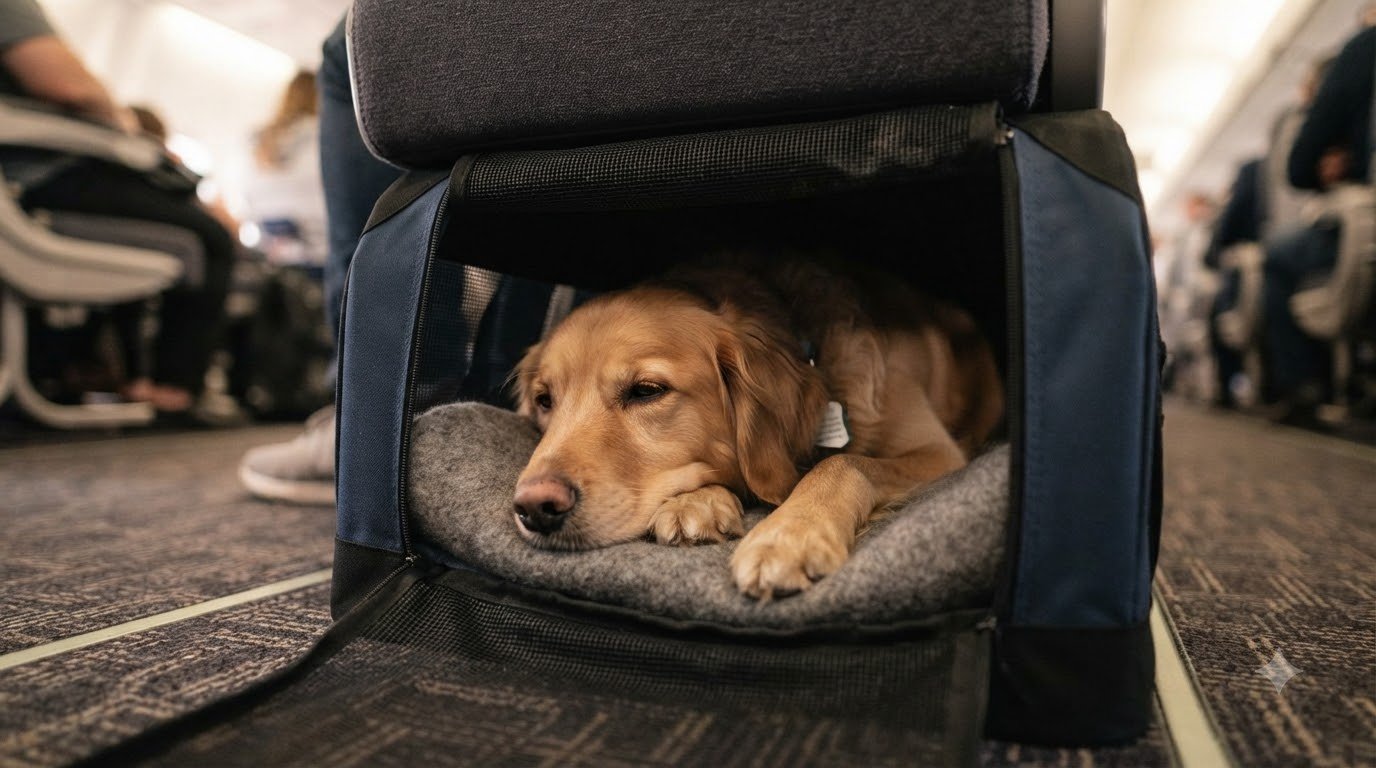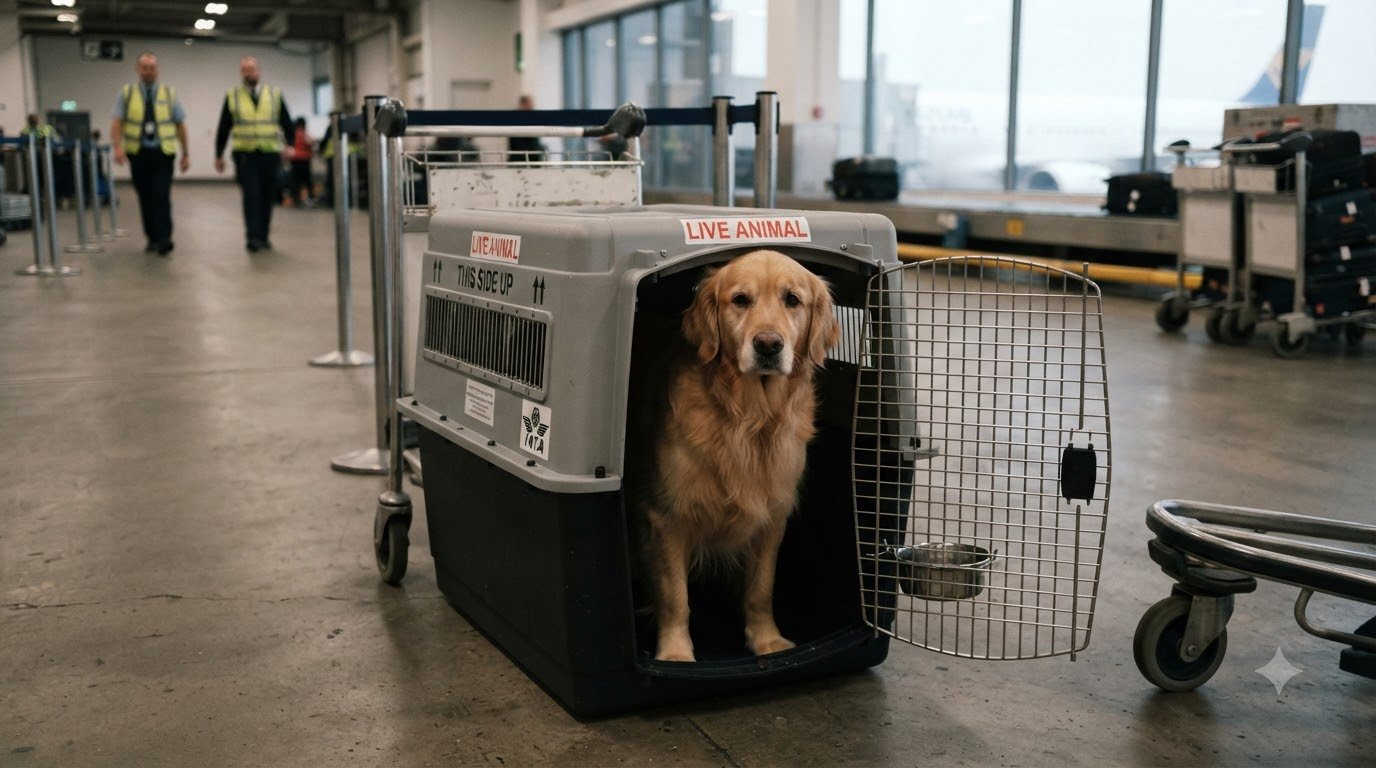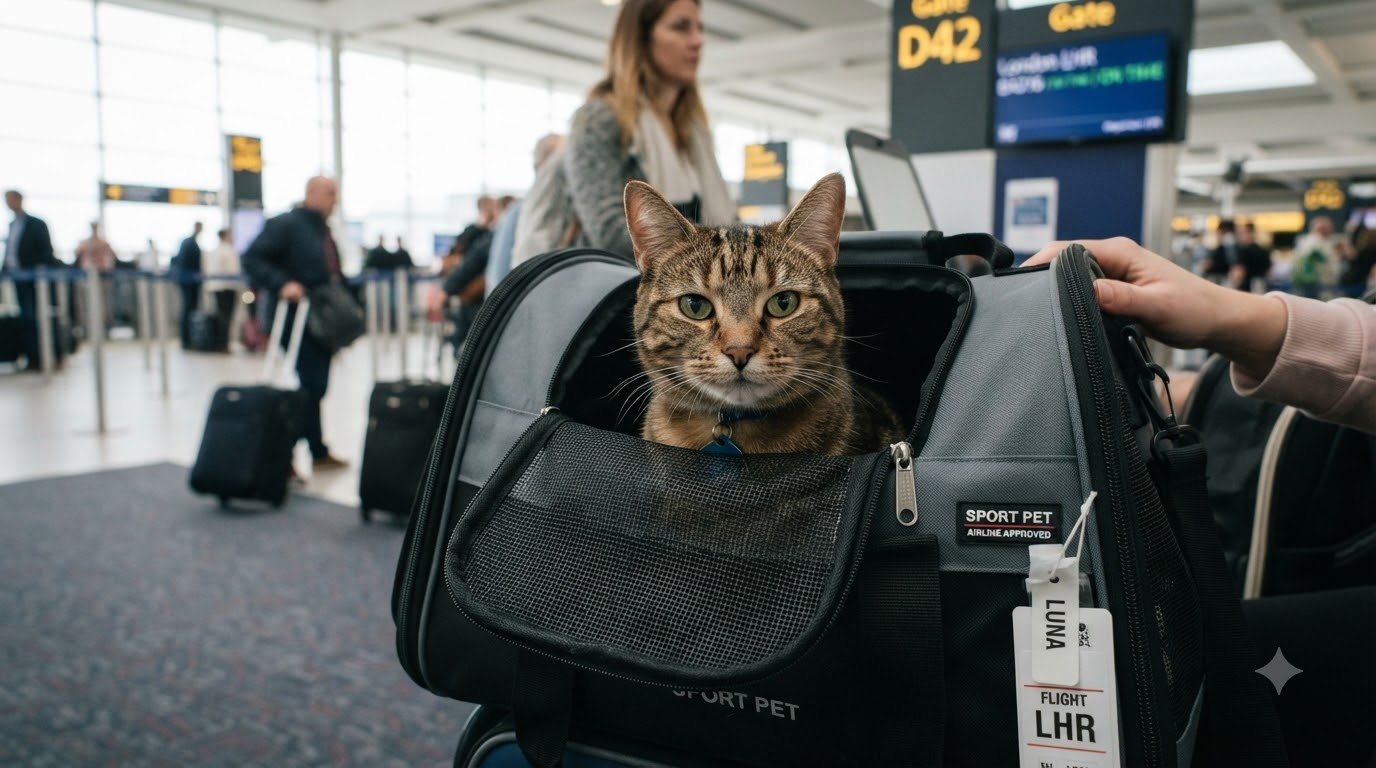
Moving a senior dog or cat from India to the US takes more planning than a routine pet relocation — airline health certificate timing, breed and age restrictions, and connection routing all matter more with an older animal. Start the paperwork process at least 3–4 months before your travel date.
What Health Documentation Does an Older Pet Need?
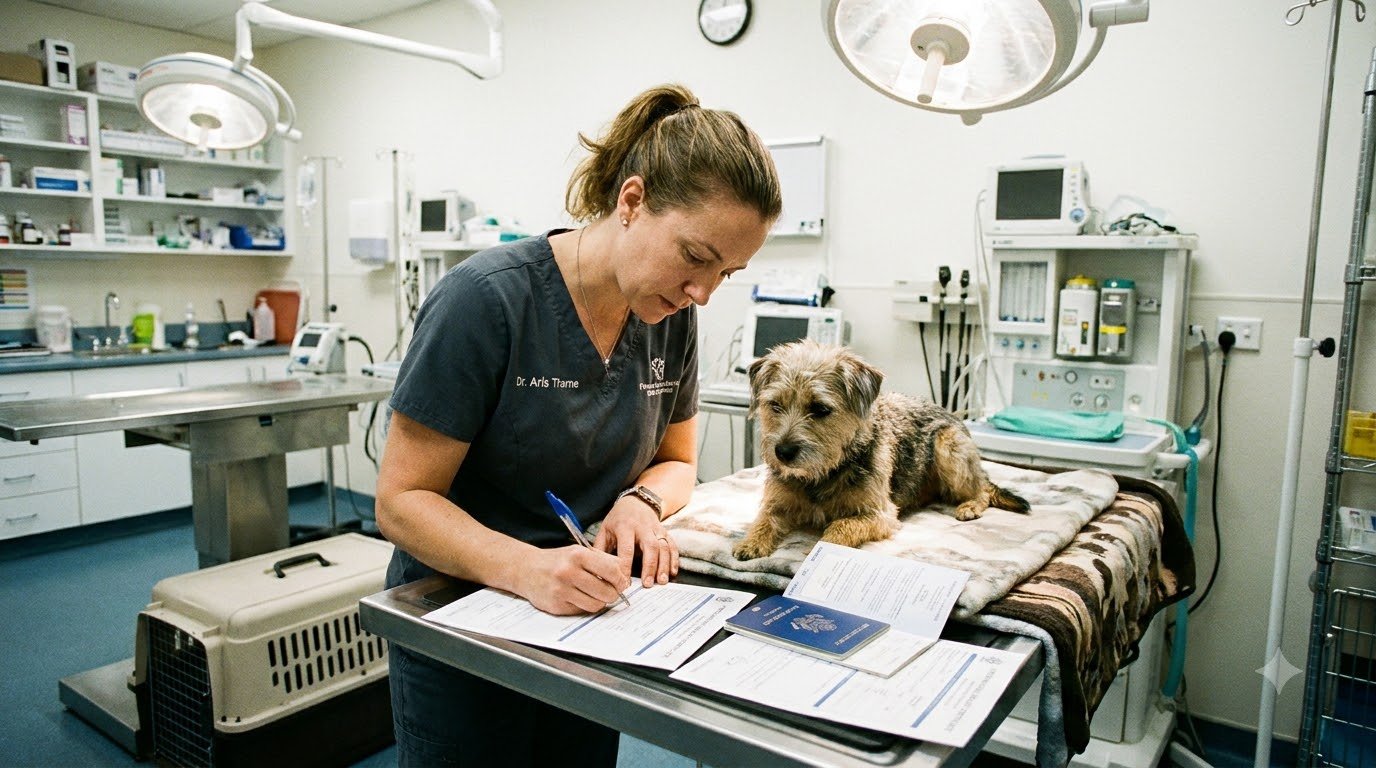
- A veterinary health certificate issued close to the travel date (most airlines require one within 10 days of departure)
- Up-to-date rabies vaccination records
- A general fitness-to-fly exam, where your vet can flag any condition that makes air travel riskier
- Any airline-specific forms, which vary by carrier and route
How Should You Choose an Airline and Route for a Senior Pet?
Direct flights are worth prioritizing even if they cost more — every layover adds ground time in unfamiliar temperature and noise conditions, which is harder on an older animal. Some airlines restrict certain breeds from cargo travel regardless of age; confirm your pet is eligible well before booking rather than after.
What Should You Expect on Arrival in the US?
Current CDC rules for dogs entering the US from India focus on rabies vaccination and, depending on recent guidance, a rabies titer test. Requirements have changed in recent years, so confirm the current rules directly with the CDC before you travel rather than relying on older advice. Cats currently face fewer entry requirements, but airline-specific rules still apply.
How Can You Reduce Stress on an Older Pet During the Move?
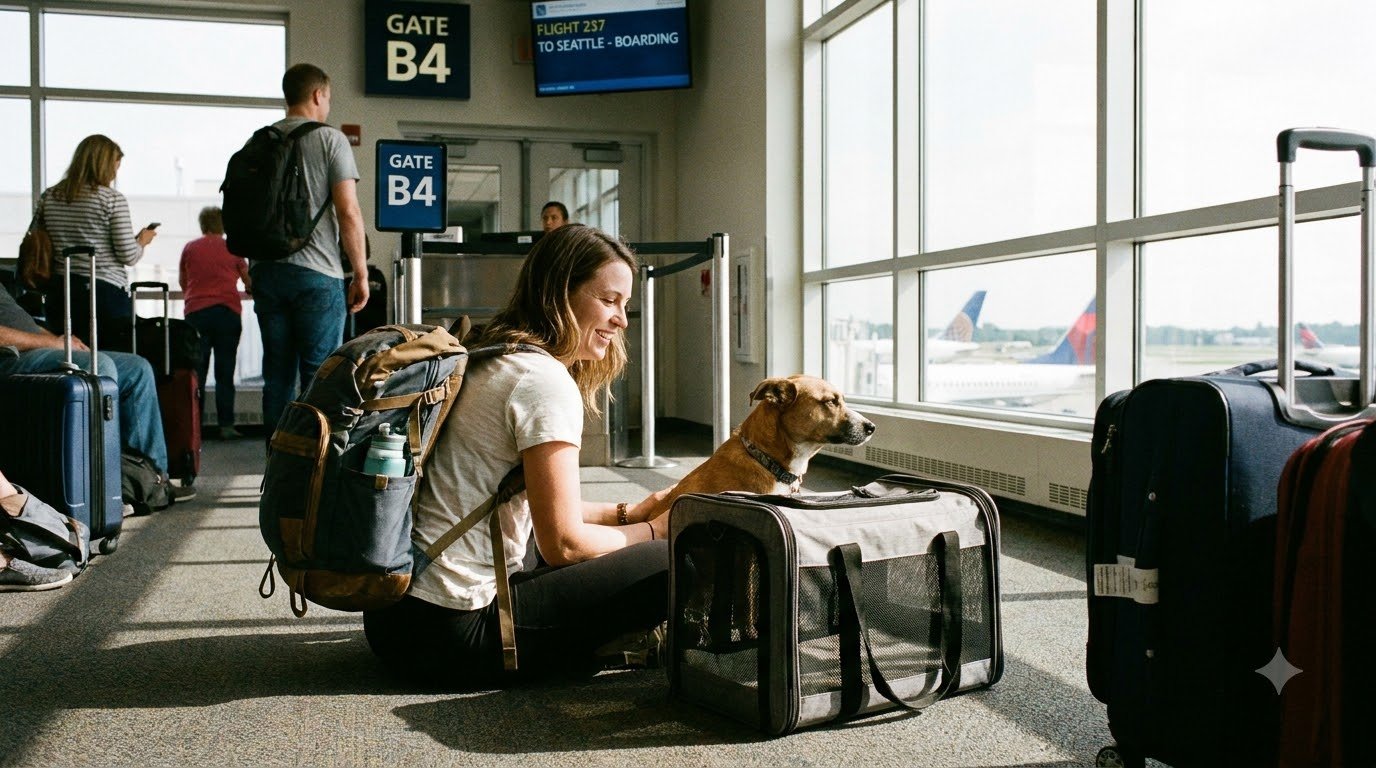
- Keep your pet on their normal feeding and walking schedule for as long as possible before departure
- Use a carrier they’re already familiar with, introduced weeks in advance
- Avoid sedation unless your vet specifically recommends it for your pet’s situation
- Pack familiar bedding or a worn piece of your clothing for scent comfort
- Schedule a US vet visit within the first few weeks of arrival to re-establish care and records