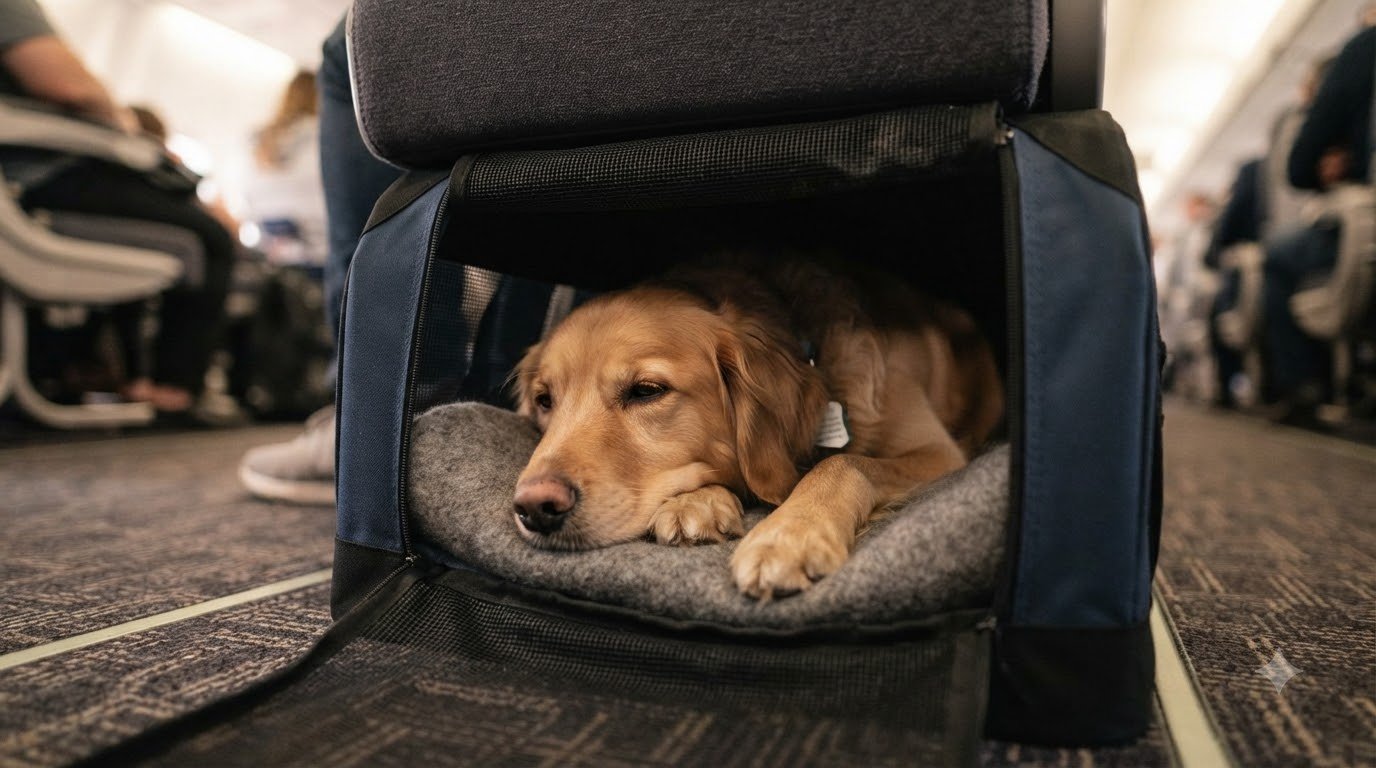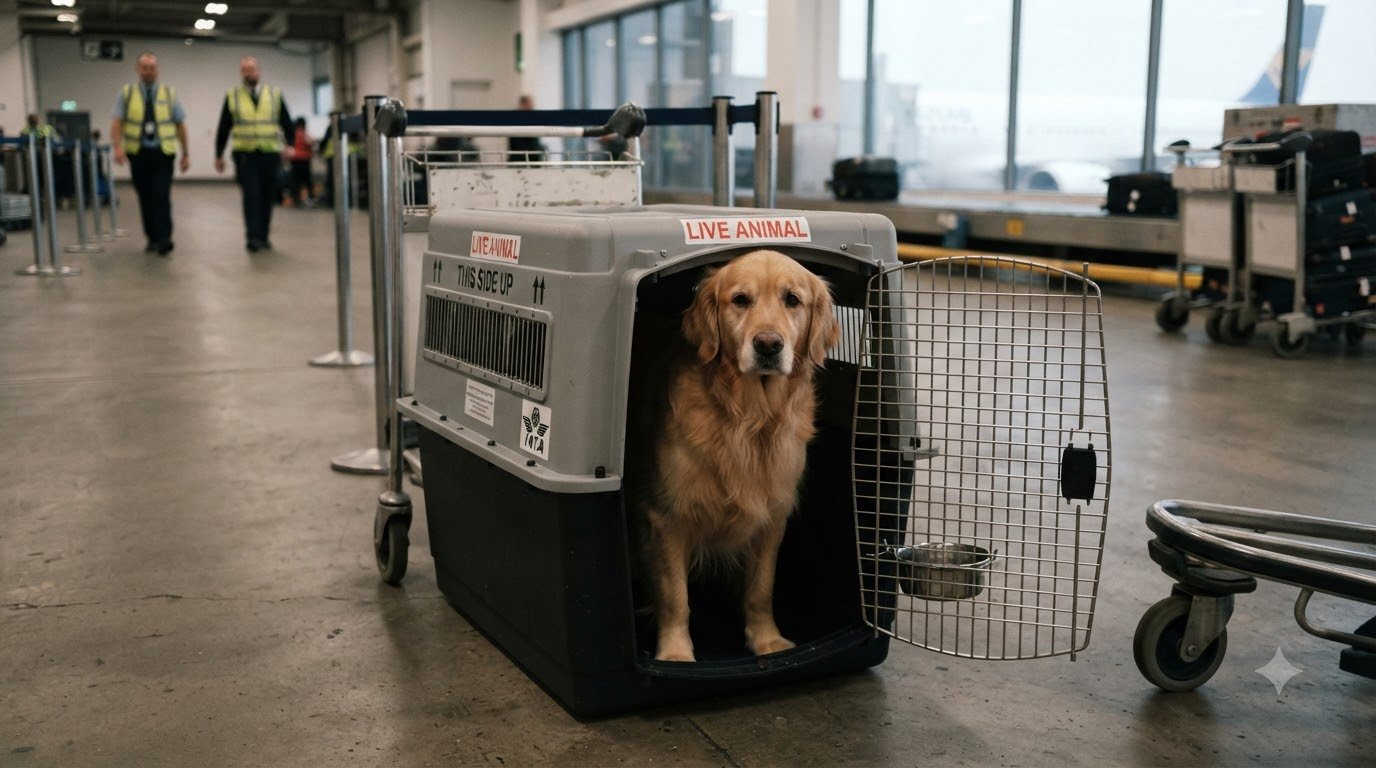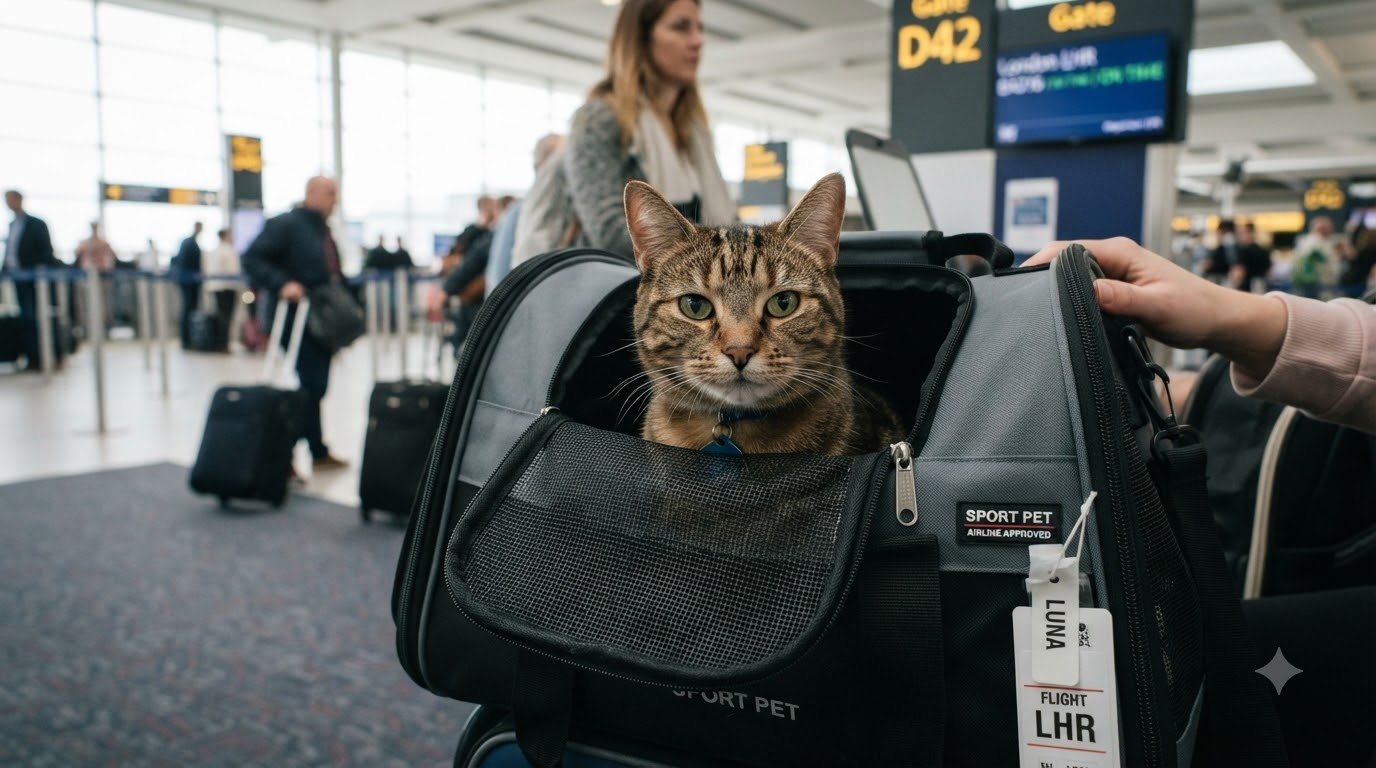
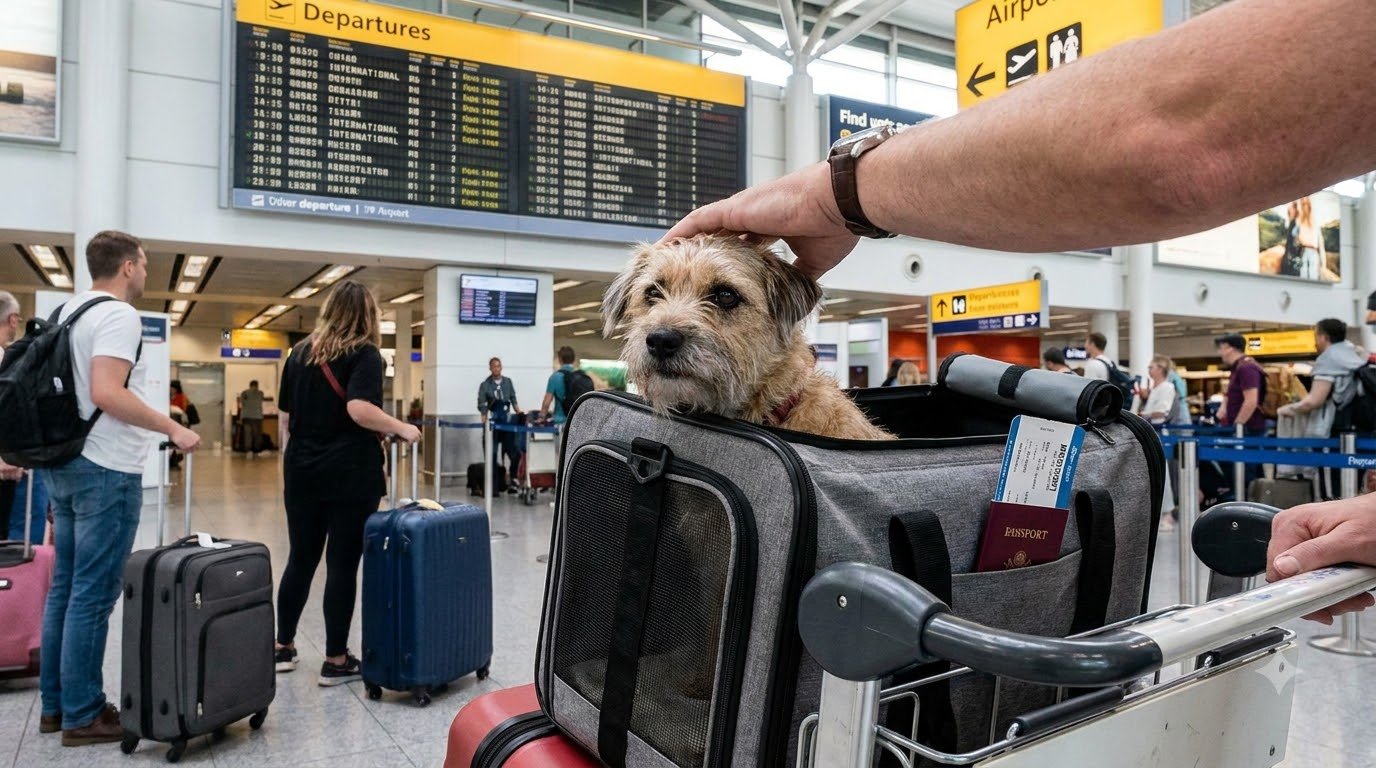
Brachycephalic (flat-faced) breeds — Bulldogs, Pugs, Persians, and similar breeds — face a genuinely elevated health risk during air travel because of their already-reduced airway capacity, and most airlines treat them differently as a result. Planning a relocation for one of these breeds requires more advance work than for a standard-muzzled pet.
Why Do Airlines Restrict Brachycephalic Pets From Cargo?
The combination of travel stress, temperature fluctuation, and a cargo hold’s reduced airflow can push an already-compromised airway into genuine breathing distress. This risk is well-documented enough that many major airlines outright prohibit brachycephalic breeds from cargo travel, or apply additional restrictions like seasonal temperature bans.
What Extra Steps Does Relocating One of These Breeds Require?
- Confirming your specific airline’s brachycephalic breed policy well before booking, since lists and restrictions vary between carriers
- Prioritizing cabin travel wherever possible, and booking early since cabin space and per-flight limits for these breeds fill up faster
- Getting a veterinary fitness-to-fly assessment that specifically evaluates airway function, not just general health
- Planning travel during cooler months or times of day, since heat sensitivity is more dangerous for these breeds during any travel-related stress
How Can Owners Reduce Risk When Relocating a Brachycephalic Pet?
- Book well in advance and confirm cabin eligibility directly with the airline rather than assuming standard pet policy applies
- Avoid connections or layovers with significant tarmac or outdoor wait time, especially in warm weather
- Ask your vet for a travel fitness assessment focused specifically on airway function
- Keep the pet as calm and cool as possible before and during travel, since stress and heat both worsen breathing difficulty in these breeds
- Have a plan for immediate veterinary access at your destination in case of any breathing distress after the flight