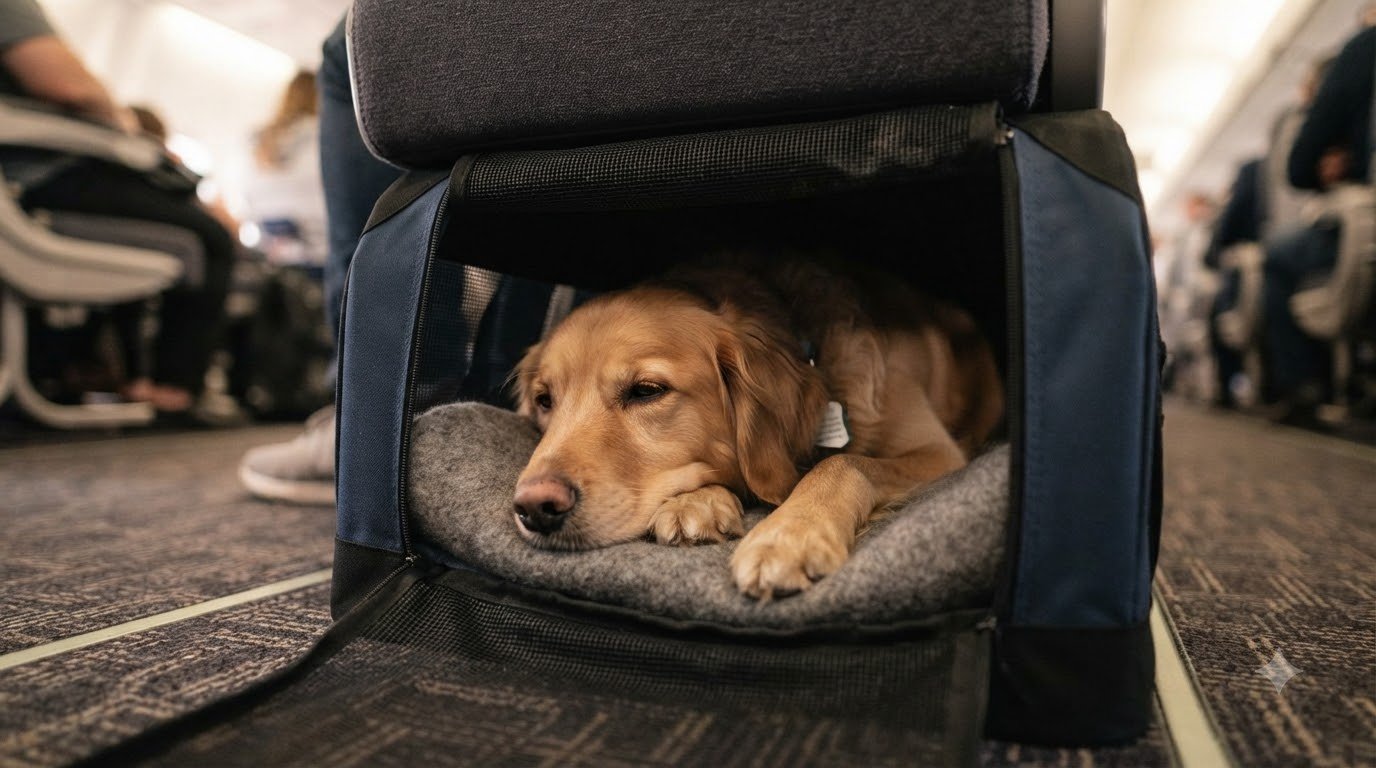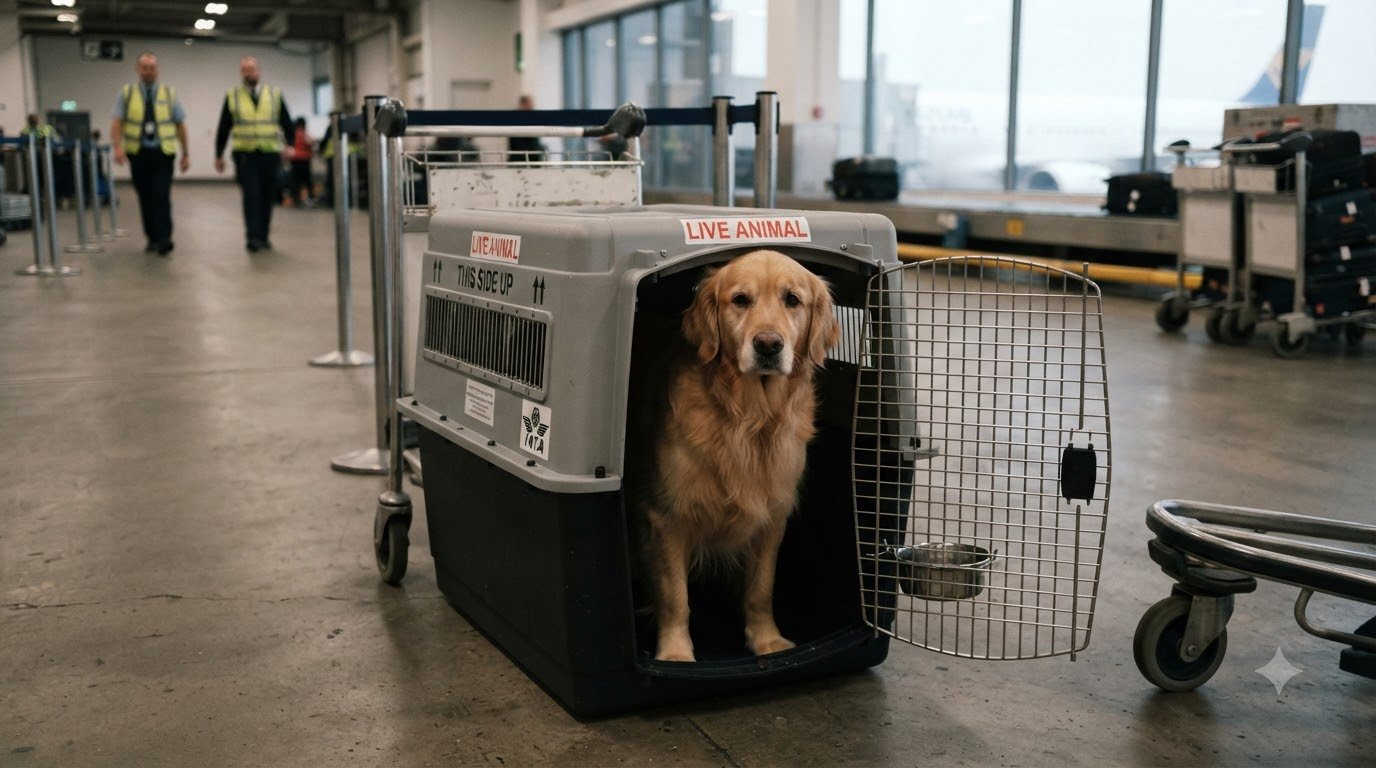
Relocating a senior German Shepherd internationally combines the breed’s well-known hip dysplasia risk with the general challenges of moving an older dog — meaning comfort during a long crate confinement deserves as much planning attention as the standard health paperwork.
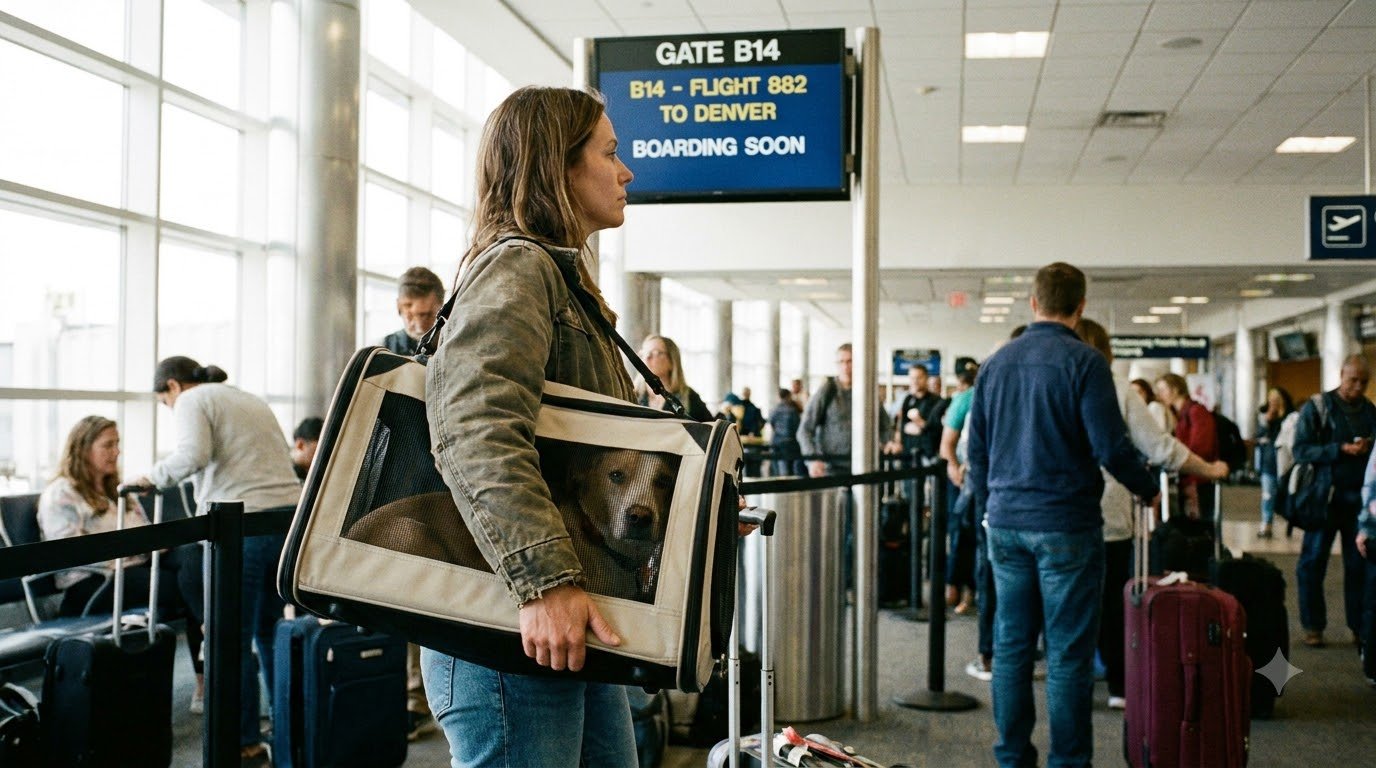
Why Does Joint Health Complicate This Breed’s Senior Travel?
German Shepherds carry one of the best-documented breed risks for hip dysplasia, and a senior dog with existing joint pain may find extended time in a travel crate genuinely uncomfortable. A pre-travel vet visit that specifically assesses mobility and pain level — not just general fitness to fly — helps determine whether any additional comfort measures or timing adjustments are needed.
What Should Owners Discuss With Their Vet Before Booking?
- Current pain management and whether it’s adequate for extended time in a confined crate
- Whether any additional padding or crate modifications would meaningfully improve comfort during transit
- Realistic assessment of the dog’s overall fitness to fly, factoring in age and joint condition together, not just a standard health certificate check
- Current CDC or destination-country requirements, which apply the same way regardless of the dog’s age
How Can You Make the Trip More Comfortable for a Senior German Shepherd?
- Choose the most direct route available to minimize total time in the crate
- Ask your vet about additional padding or bedding to reduce joint pressure during the flight
- Avoid sedation — most vets recommend against it for air travel regardless of age, due to breathing and temperature risks
- Schedule a follow-up vet visit soon after arrival to reassess joint pain and adjust management if the trip was physically demanding
- Build extra time into your overall relocation timeline in case any age-related findings during the pre-travel exam need follow-up before clearance