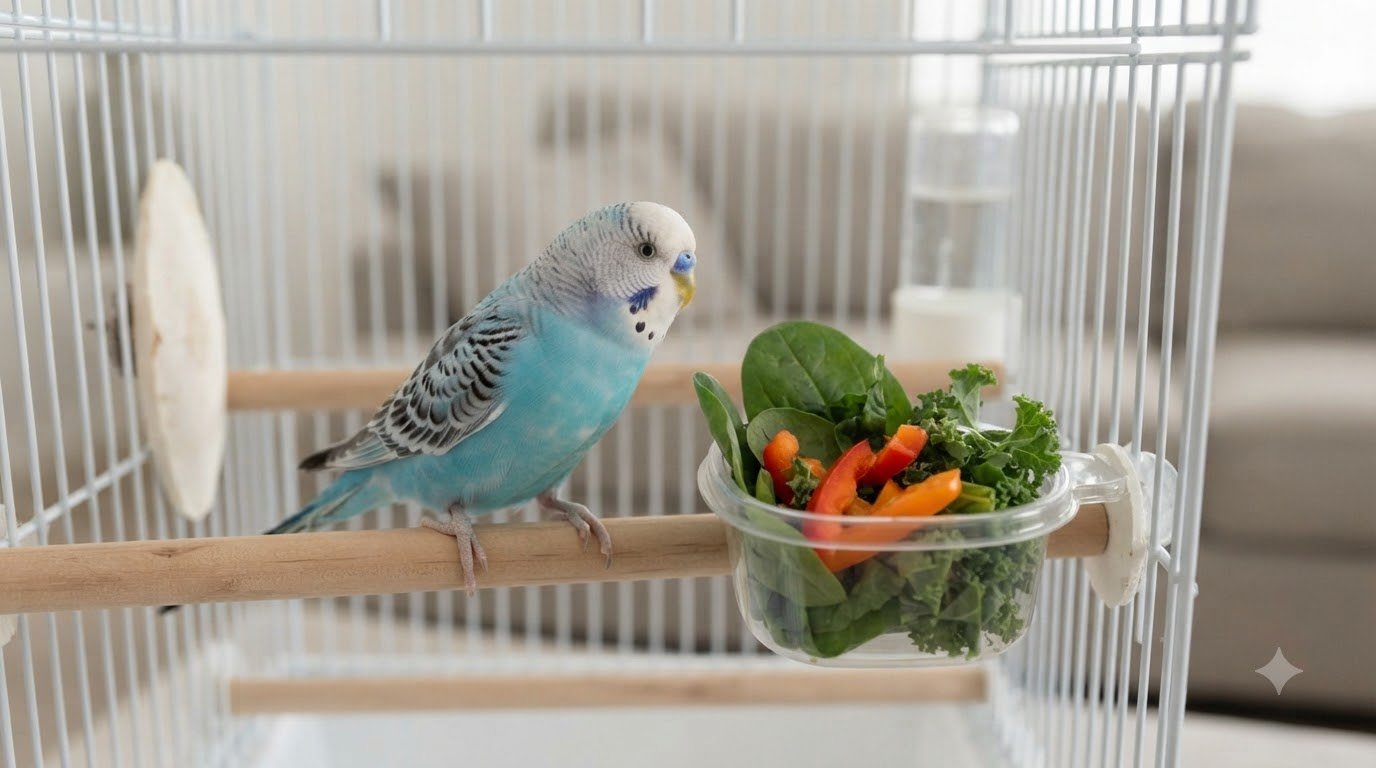
Pet birds are masters at hiding illness — an evolutionary survival instinct from the wild that makes them genuinely harder to monitor than dogs or cats, where symptoms tend to show up earlier and more obviously.
Why Do Birds Hide Illness So Effectively?
In the wild, a visibly sick bird is an easy target for predators, so birds instinctively mask weakness until they can no longer manage it. This means a pet bird showing obvious symptoms has often been unwell for longer than the symptoms suggest — making prompt vet attention especially important.
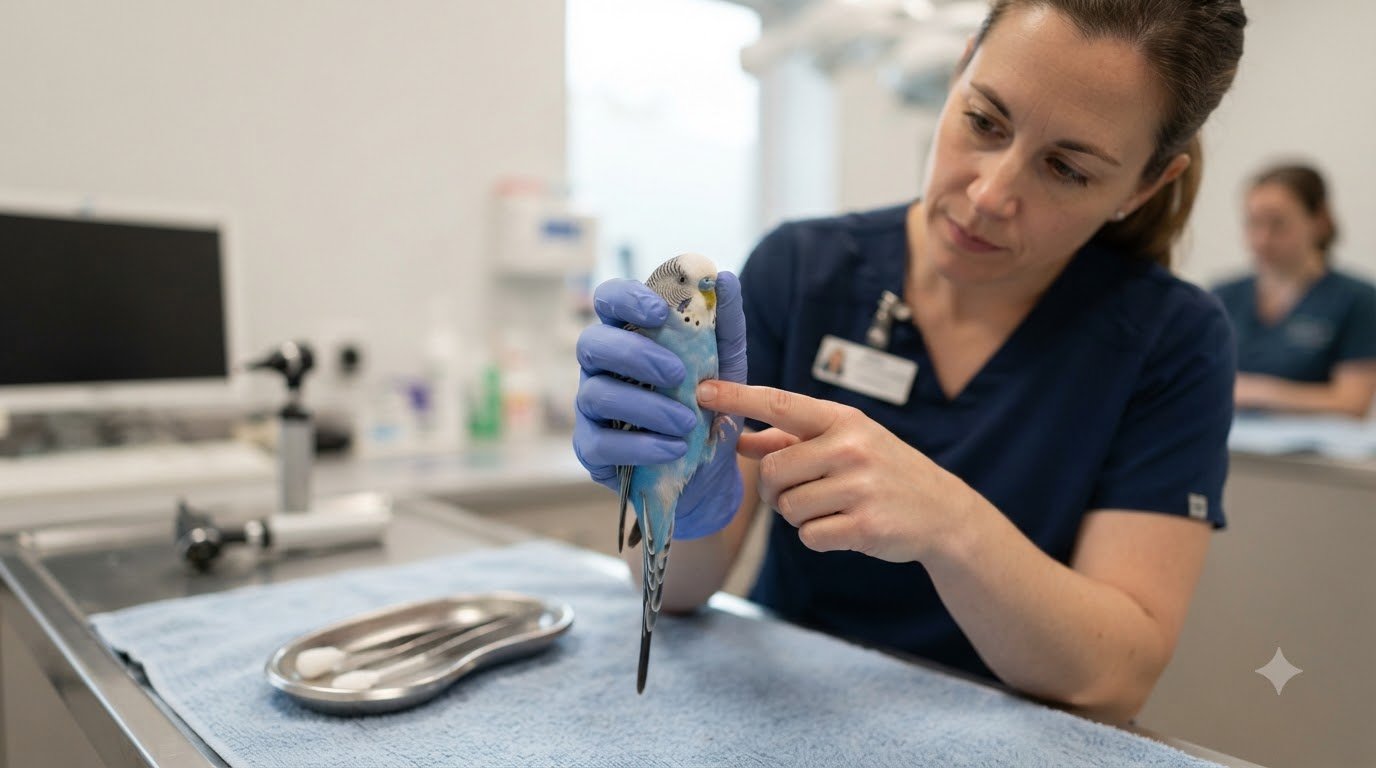
What Early Warning Signs Should You Watch For?
- Fluffed-up feathers held for extended periods, especially outside of normal sleep time
- Sitting at the bottom of the cage rather than on perches
- Decreased activity or vocalization — a normally chatty bird going unusually quiet
- Changes in droppings — color, consistency, or frequency shifts from the bird’s normal baseline
- Reduced appetite or weight loss — often only noticeable with regular weighing, since birds can lose significant weight before it’s visually obvious under feathers
- Discharge from eyes or nostrils, or labored breathing
- Tail bobbing while breathing, which can indicate respiratory distress
Why Do Daily Droppings Checks Matter?
Droppings are one of the most practical daily health indicators for birds. Learning what’s normal for your specific bird — color, consistency, frequency — makes it much easier to notice a meaningful change early, before more obvious symptoms develop.
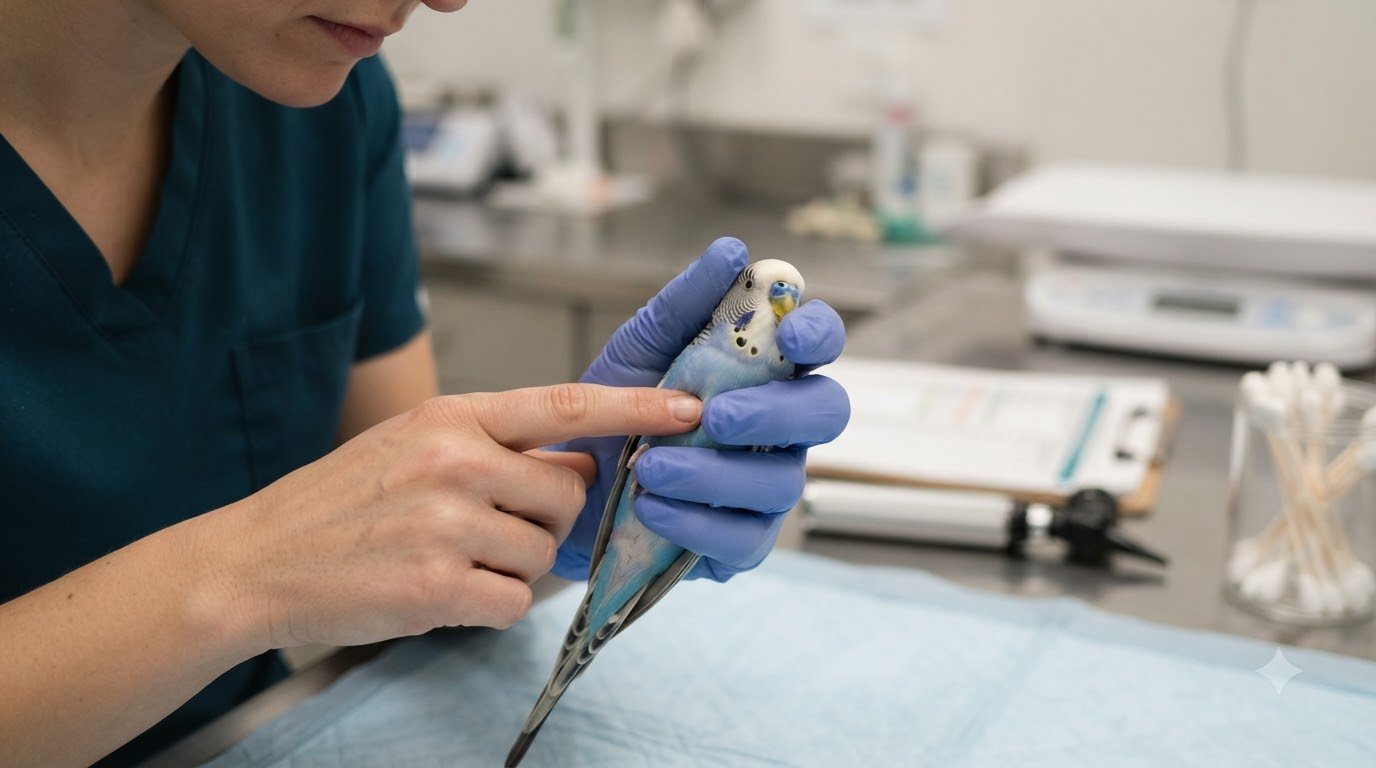
How Do You Find an Avian Vet Before You Need One?
Not every veterinary practice treats birds, and avian medicine is genuinely specialized. Research and identify a qualified avian vet in your area before an emergency happens — trying to find one for the first time during a crisis costs precious time.
When Should You Seek Emergency Care?
Seek immediate veterinary attention for: labored or open-mouth breathing, bleeding, seizures, inability to perch, or a bird that’s fallen and can’t right itself. With birds, “wait and see” is rarely the safer choice given how effectively they mask distress.