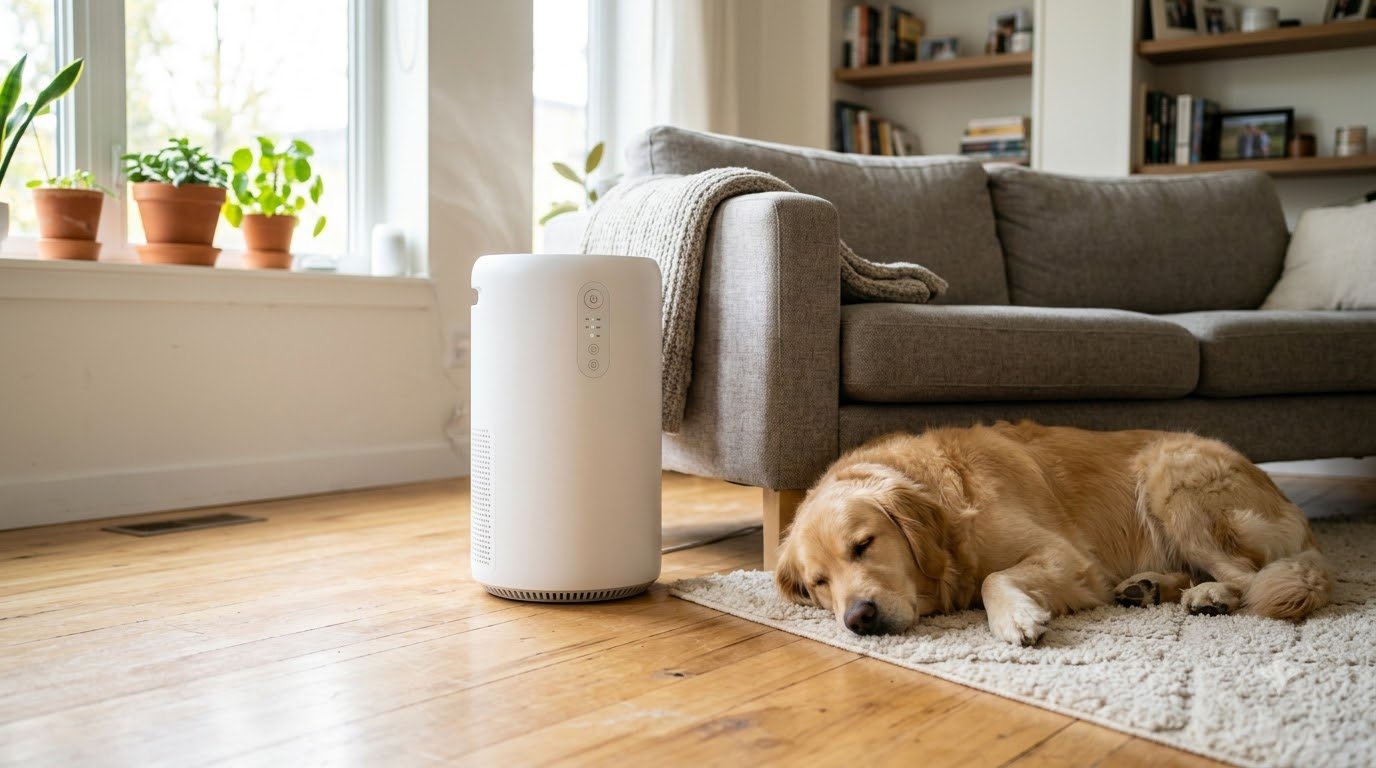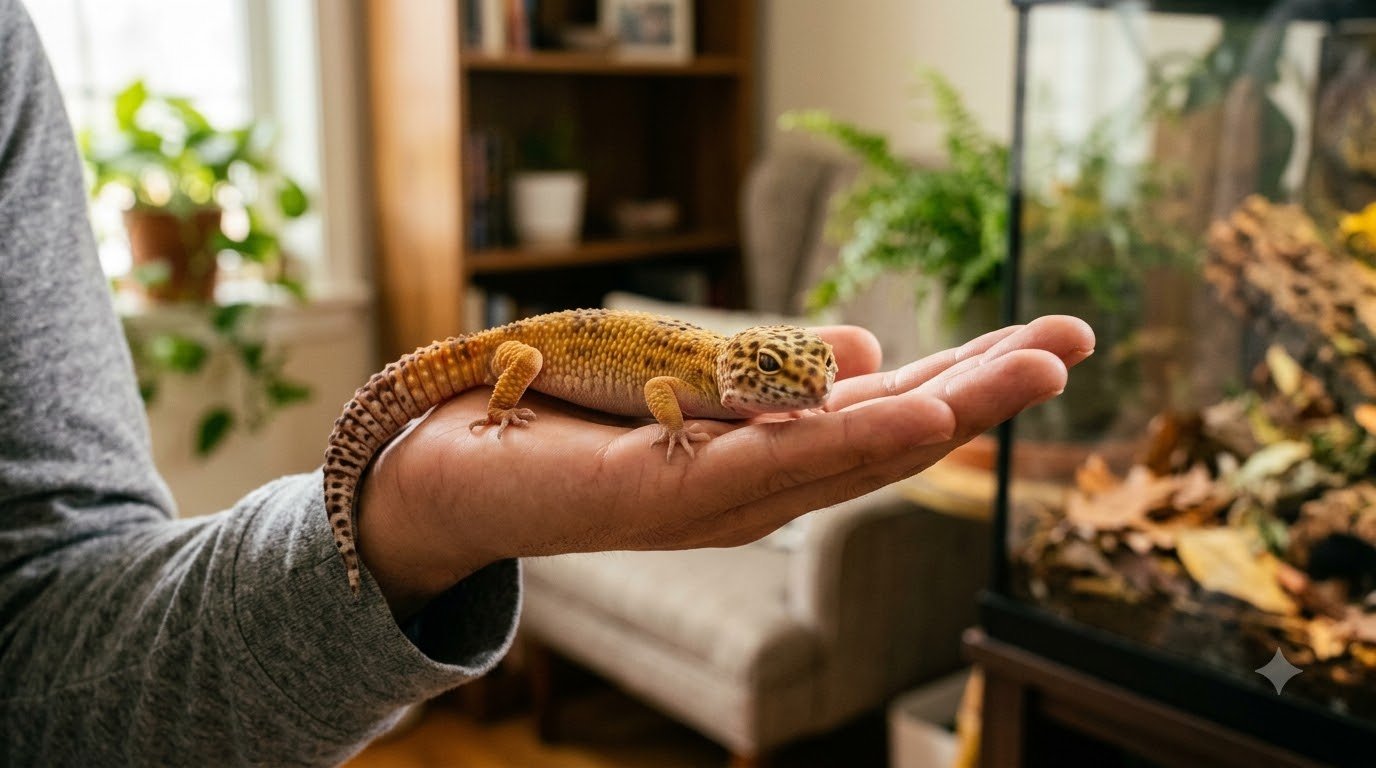
Pet care is one of the more effective, low-stakes ways to teach kids responsibility — but only when it’s structured with realistic expectations and consistent adult backup, not treated as a test the child either passes or fails on their own.
Why Does Pet Care Work Well for Teaching Responsibility?
Pets need consistent daily care regardless of a child’s mood or motivation that day, which makes them a genuinely useful, real-stakes way to practice follow-through — unlike a chore that can be skipped without real consequence, a pet actually needs to be fed, and that immediacy tends to land with kids in a way abstract responsibility lessons don’t.
What’s the Realistic Age Progression?
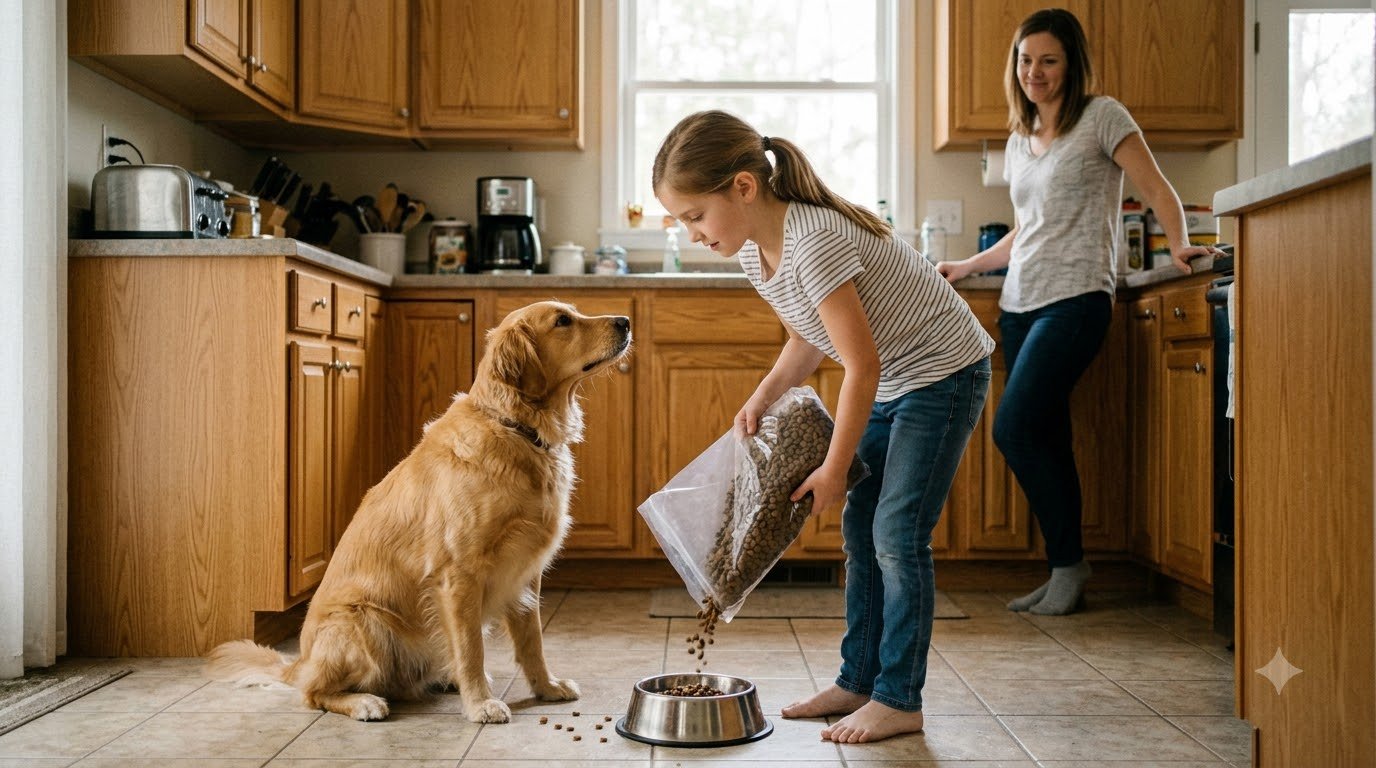
- Young children: simple, supervised tasks — helping pour food, watching a routine happen
- School-age kids: partial independent tasks — feeding on a schedule, basic cleaning, with checking-in from an adult
- Preteens: a meaningful share of daily routine care for a larger pet, with training and vet decisions still adult-led
- Teens: most day-to-day responsibility, with adults still involved in vet coordination and covering costs
Responsibility should be added gradually and matched to demonstrated follow-through, not assigned all at once because a child has reached a certain age.
What Should Adults Actually Expect?
Kids will forget, lose interest at times, or need reminders — that’s a normal part of learning, not a sign the plan has failed. The pet’s actual wellbeing should never depend entirely on a child remembering; an adult needs to be quietly ready to catch what’s missed, ideally without turning every reminder into a conflict.
How Do You Set This Up to Actually Work?
- Assign specific, concrete tasks rather than vague ownership (“feed the dog at 6pm” rather than “take care of the dog”)
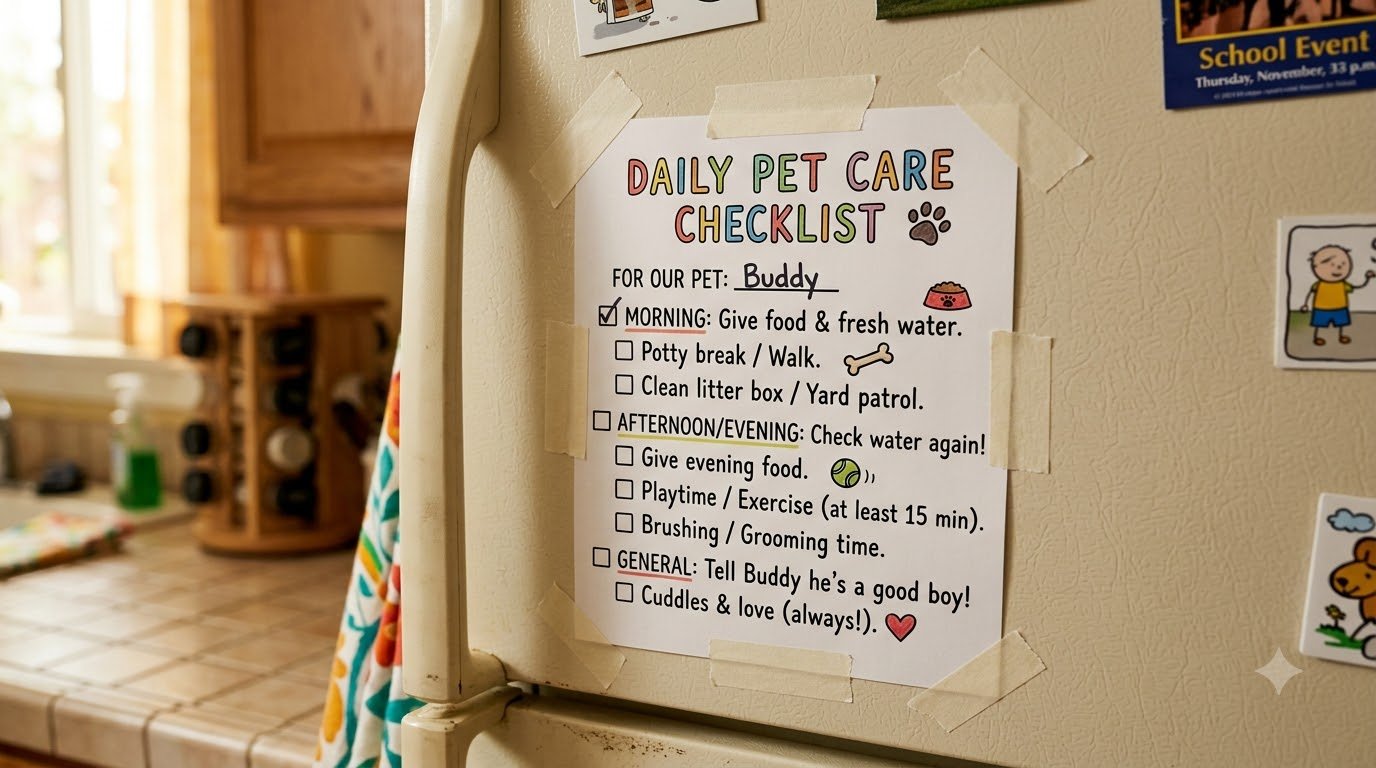
- Build a simple, visible routine or checklist, especially for younger kids
- Check in regularly rather than only stepping in after something’s been missed for a while
- Treat missed tasks as a teaching moment, not evidence the child should lose all responsibility
- Keep the adult as the actual safety net for the pet’s wellbeing at every stage, regardless of how much the child is handling
What’s the Bigger-Picture Goal?
The point isn’t a perfectly executed chore chart — it’s building a pattern of consistent follow-through that a child carries forward, while making sure the animal’s actual care never becomes collateral damage in that learning process.