Molting — the natural process of shedding and regrowing feathers — is normal and necessary, but it’s also one of the more confusing periods for new bird owners to interpret correctly.
What Does Normal Molting Look Like?
- Gradual feather loss over several weeks to a couple of months, not sudden or patchy
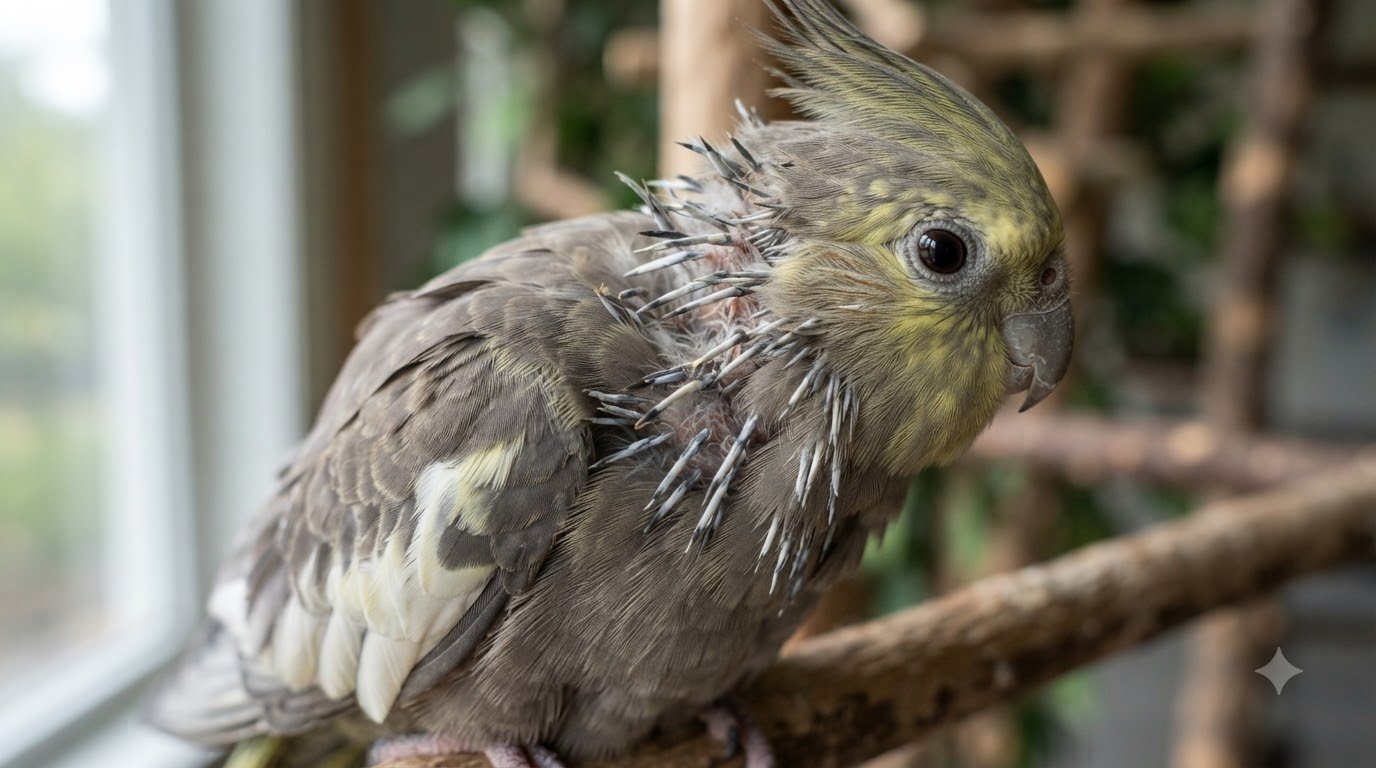
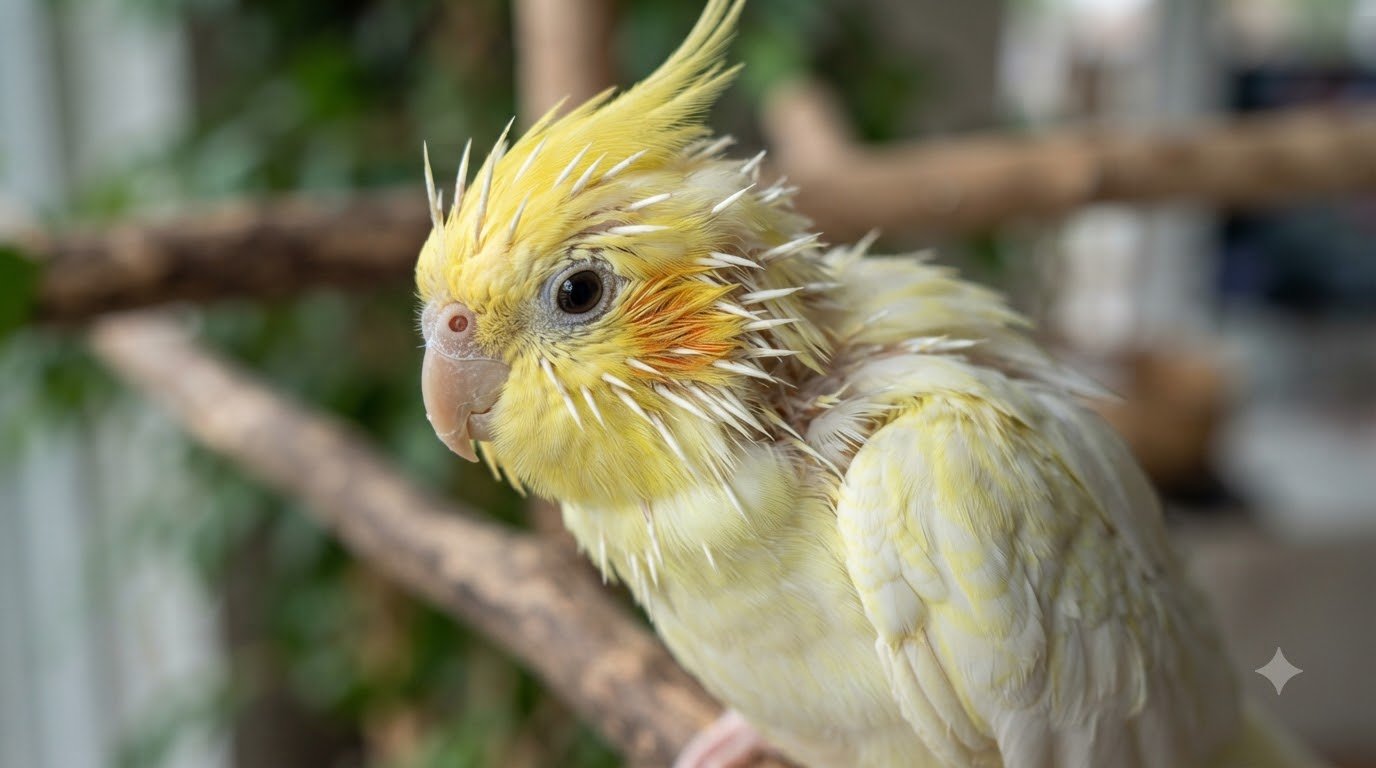
- New “pin feathers” (feather shafts still in their protective sheath) emerging evenly across the body
- Occurring once or twice a year for most species, though timing varies
- Some mild behavioral changes: reduced activity, occasional irritability, or a preference to be left alone more than usual
Why Do Birds Act Differently While Molting?
Growing new feathers takes real energy, and pin feathers can be mildly uncomfortable as they emerge — comparable to a mild itch or tenderness. It’s normal for a molting bird to be slightly less social or tolerant of handling than usual; this typically resolves once the molt completes.
How Do You Support a Molting Bird?
- Light daily misting with water can help soften pin feather sheaths, making preening easier
- Avoid touching pin feathers directly, since they carry a blood supply and can bleed if broken prematurely
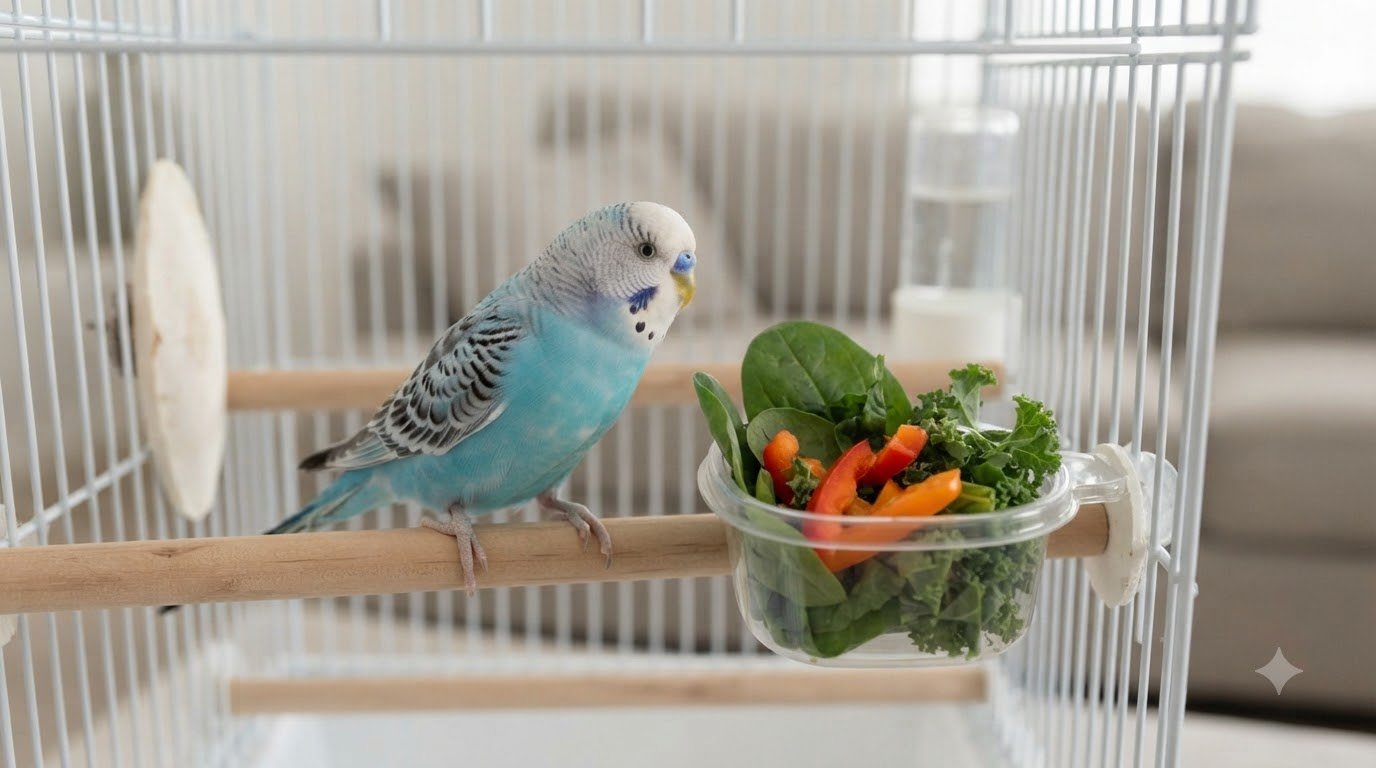
- Ensure diet includes adequate protein, since feather regrowth is nutritionally demanding
- Be patient with reduced interaction — respecting the bird’s lower tolerance during this period usually pays off once molting ends
What Is the Difference Between Molting and Feather Plucking?
This distinction matters because the causes and responses are completely different:
| Normal Molting | Feather Plucking | |
|---|---|---|
| Pattern | Even, gradual | Patchy, concentrated areas |
| Cause | Natural biological cycle | Stress, boredom, or medical issue |
| Skin condition | Normal | Often irritated or bald |
| Bird’s demeanor | Mildly subdued | Often visibly distressed |
If feather loss looks patchy rather than even, is concentrated on the chest or under the wings, or comes with skin irritation, it’s worth a vet visit — plucking has underlying causes that molting simply doesn’t.